Explained Weight Loss Treatment Through Bariatric Surgery: Procedure and Recovery Explained
Explained Weight Loss Treatment Through Bariatric Surgery: Procedure and Recovery Explained
Obesity has become one of the most significant health challenges in modern times. It is not limited to increased body weight but is closely linked to serious medical conditions such as diabetes, high blood pressure, cardiovascular disorders, and sleep-related issues. These conditions can gradually affect mobility, daily routine, and overall quality of life.
While many individuals attempt to manage weight through diet and exercise, these methods may not always provide sustainable results. When conventional approaches fail, medical intervention becomes necessary to address the root cause of the problem. In such cases, options like the best bariatric surgery in Ahmedabad aare considered for structured and long-term weight management under professional supervision.
Scientific Basis of Surgical Weight Management
Weight gain is influenced by several internal factors, including metabolism, hormonal imbalance, and genetic predisposition. Bariatric surgery is designed to address these factors by modifying how the digestive system functions.
This approach helps regulate food intake and improves the body’s ability to process nutrients effectively. It also impacts hormones responsible for hunger and satiety, enabling patients to maintain better control over eating patterns. As a result, bariatric surgery supports gradual and consistent weight loss.
At Hope Obesity Centre, treatment planning focuses on aligning medical expertise with patient-specific needs, ensuring both safety and effectiveness.
How Bariatric Surgery Supports Internal Balance
Bariatric procedures create multiple physiological changes that contribute to weight reduction and improved health outcomes. These changes help the body adapt to a healthier metabolic state.
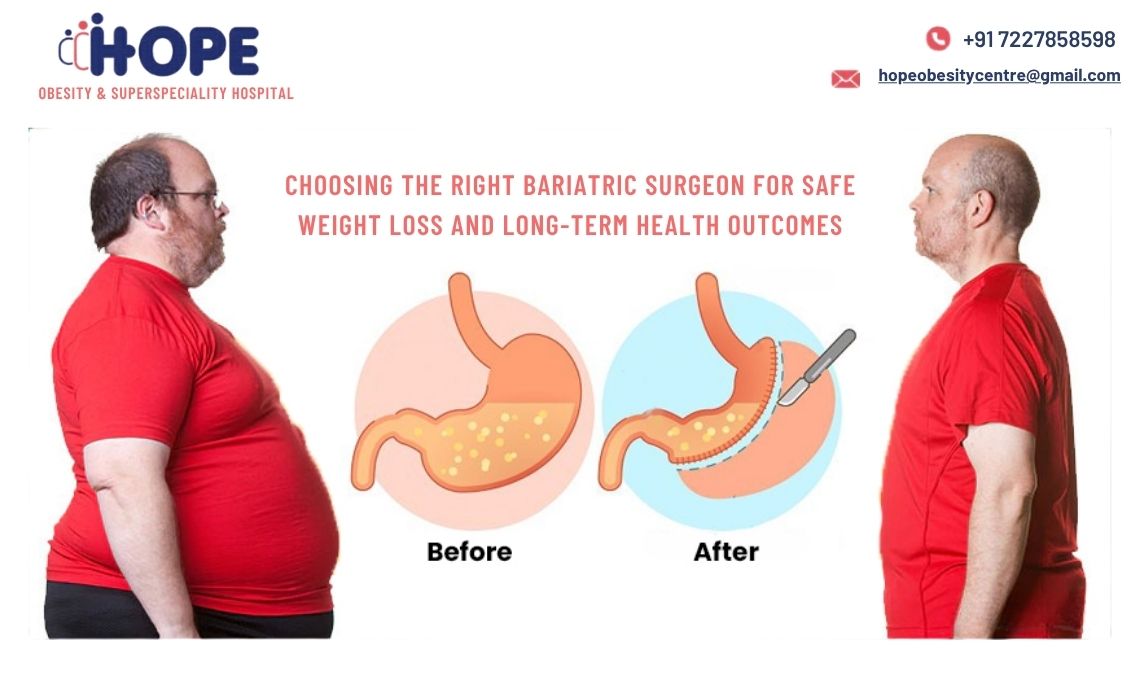
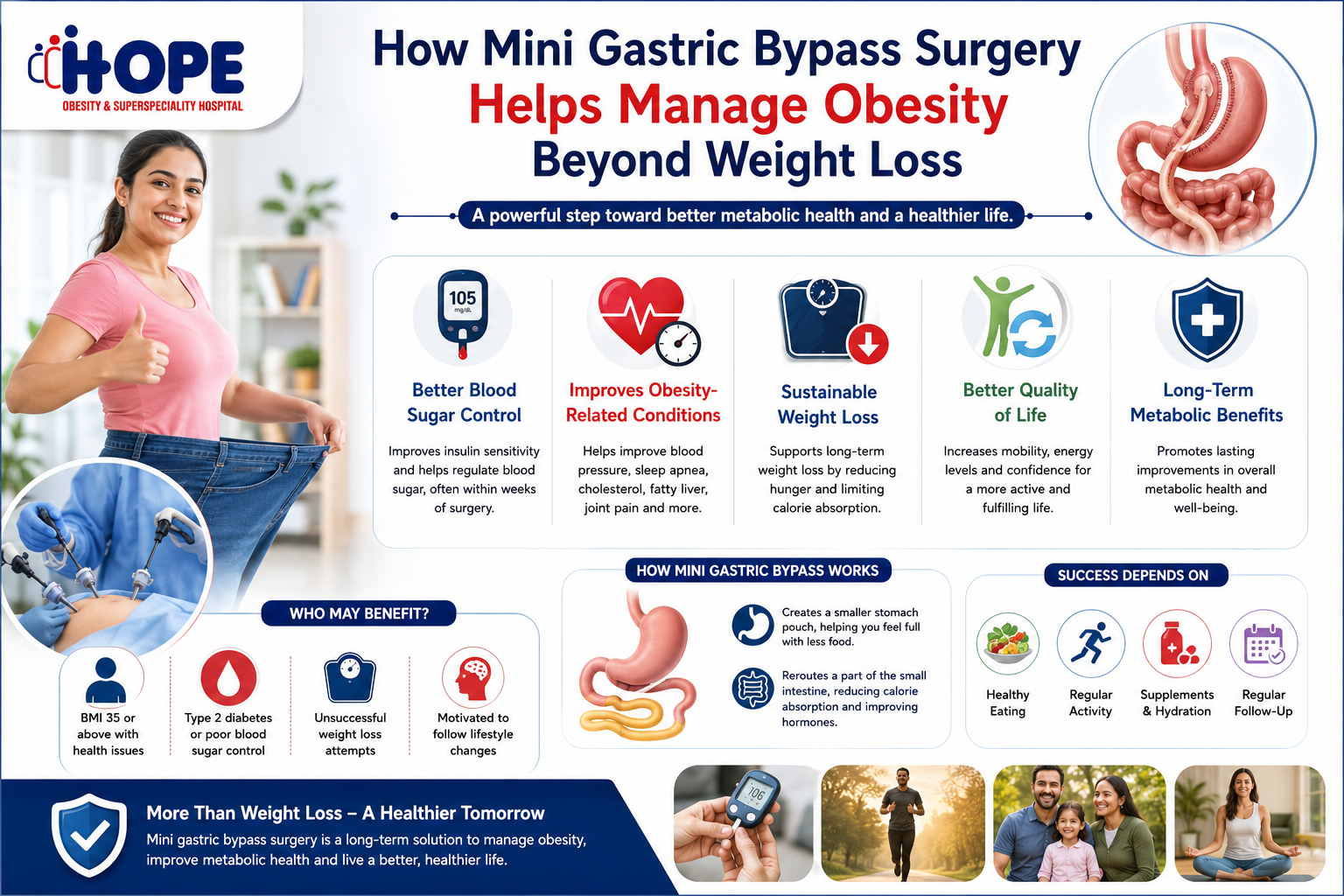
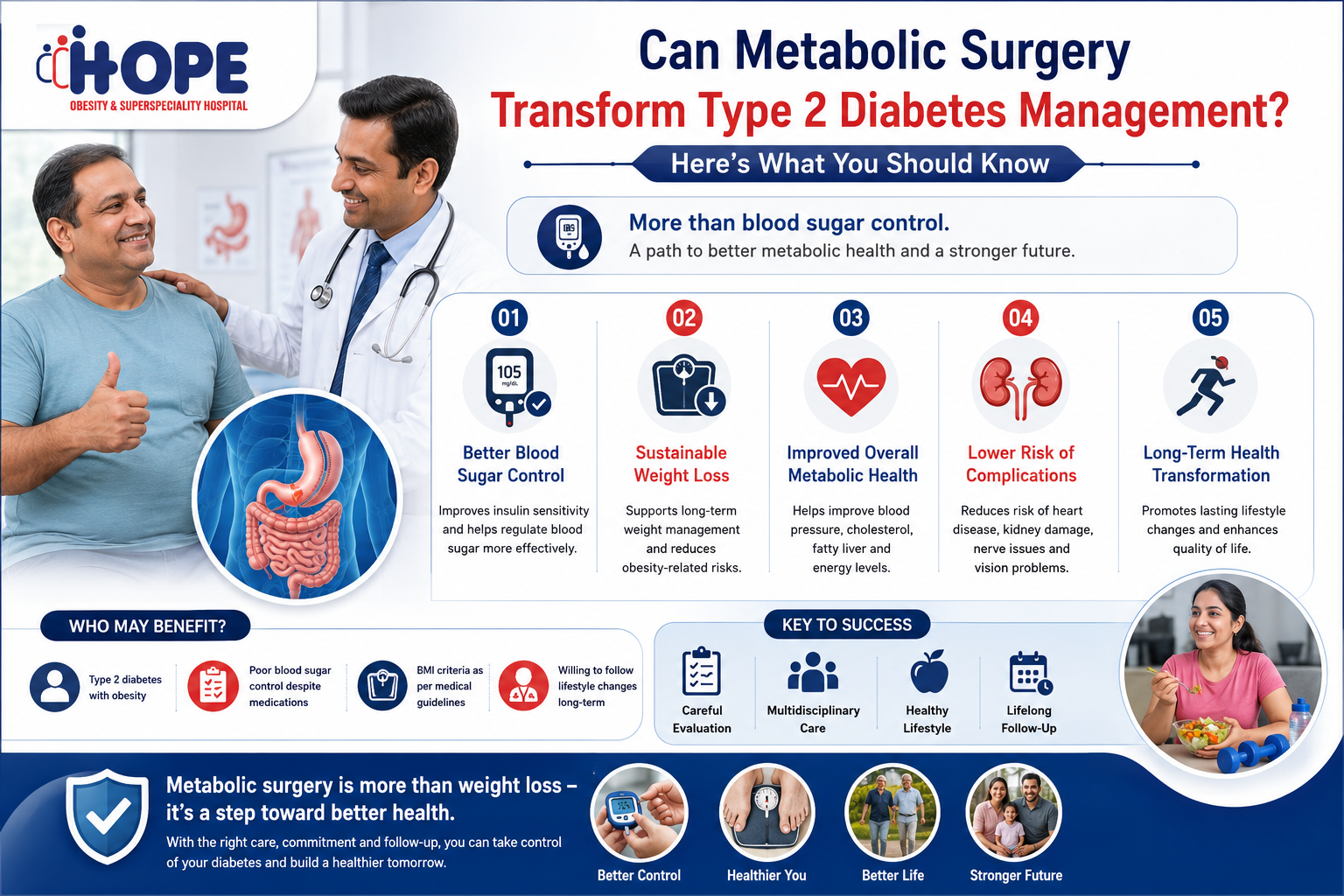
The procedure works by reducing stomach capacity, which limits food intake, and by influencing hormonal responses that control appetite. It also improves insulin sensitivity and supports better blood sugar regulation.
These combined effects not only help in weight loss but also contribute to the management of obesity-related health conditions, making bariatric surgery a comprehensive medical solution.
Available Surgical Techniques
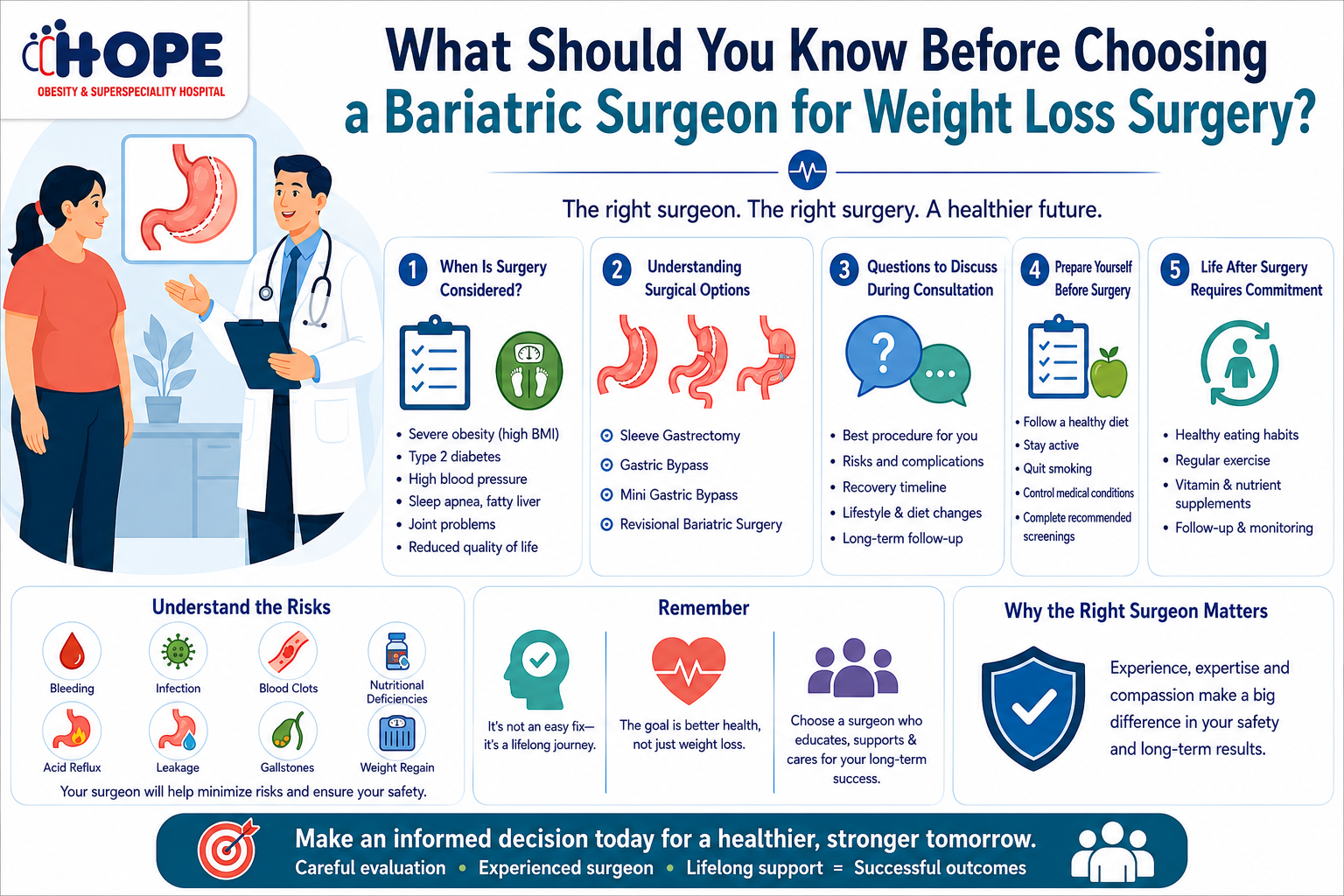
Different types of bariatric procedures are available, and the choice depends on the patient’s medical condition and treatment goals.
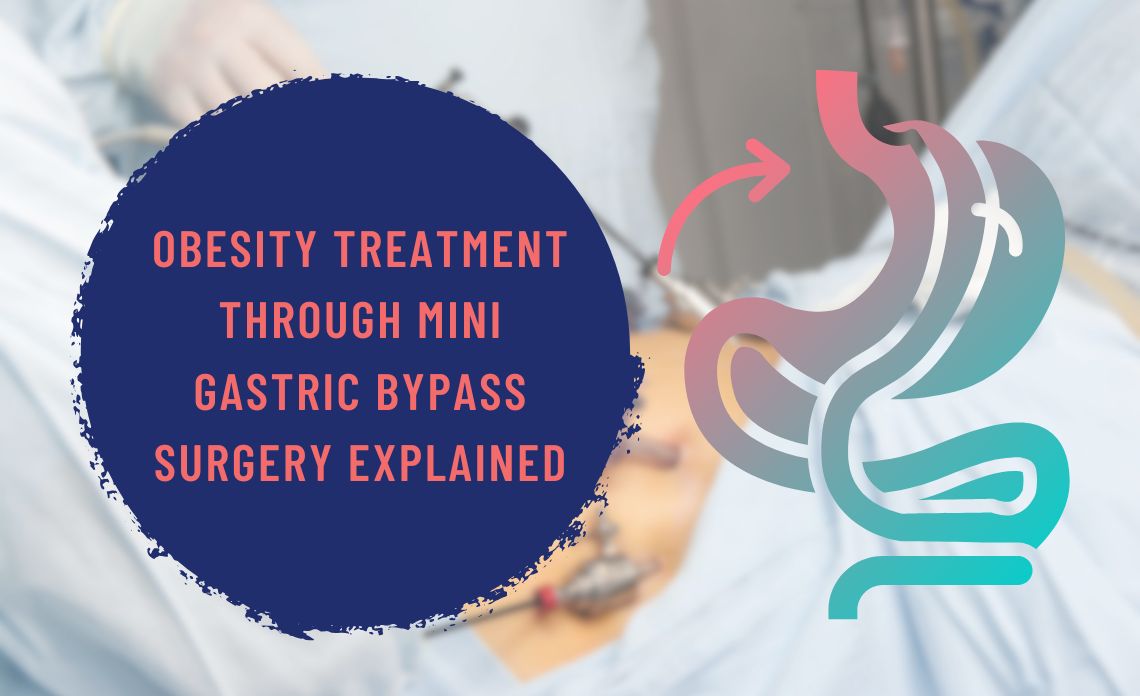
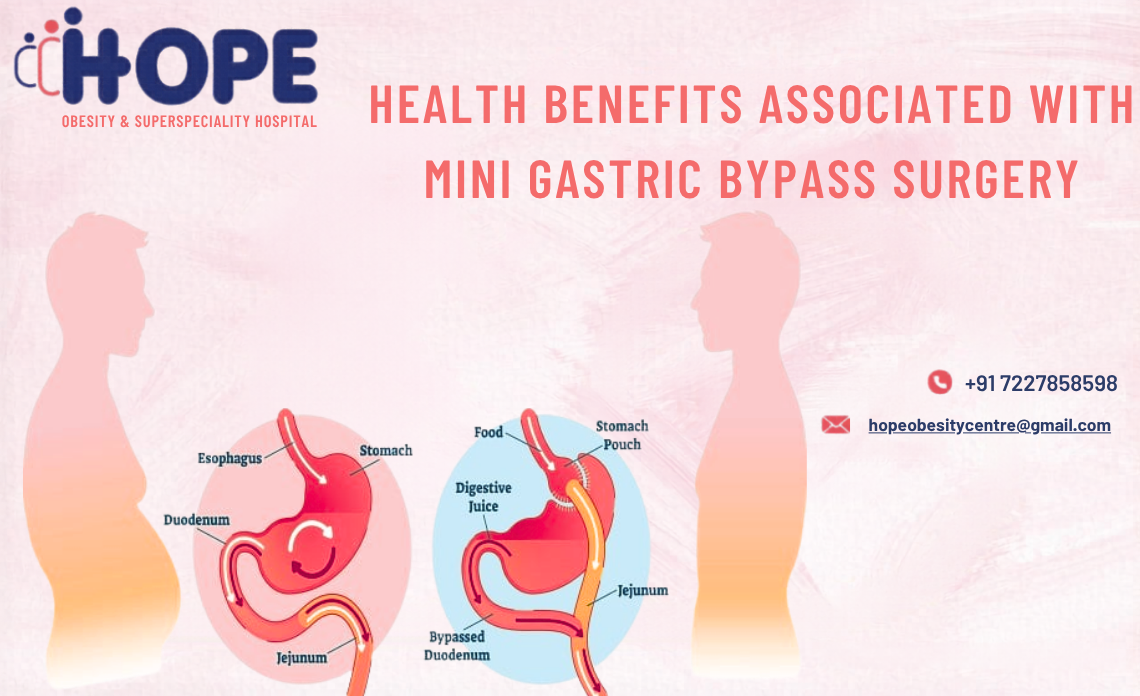
Gastric Bypass Surgery involves creating a smaller stomach pouch and altering the digestive pathway, which helps reduce calorie absorption and promotes significant weight loss.
Sleeve Gastrectomy focuses on reducing the size of the stomach, which helps control hunger and limits food intake.
Gastric Banding involves placing a band around the upper stomach to regulate portion size and support gradual weight loss.
Each technique is selected after a detailed medical evaluation to ensure that the treatment is appropriate and safe for the patient.
Patient Eligibility and Clinical Considerations
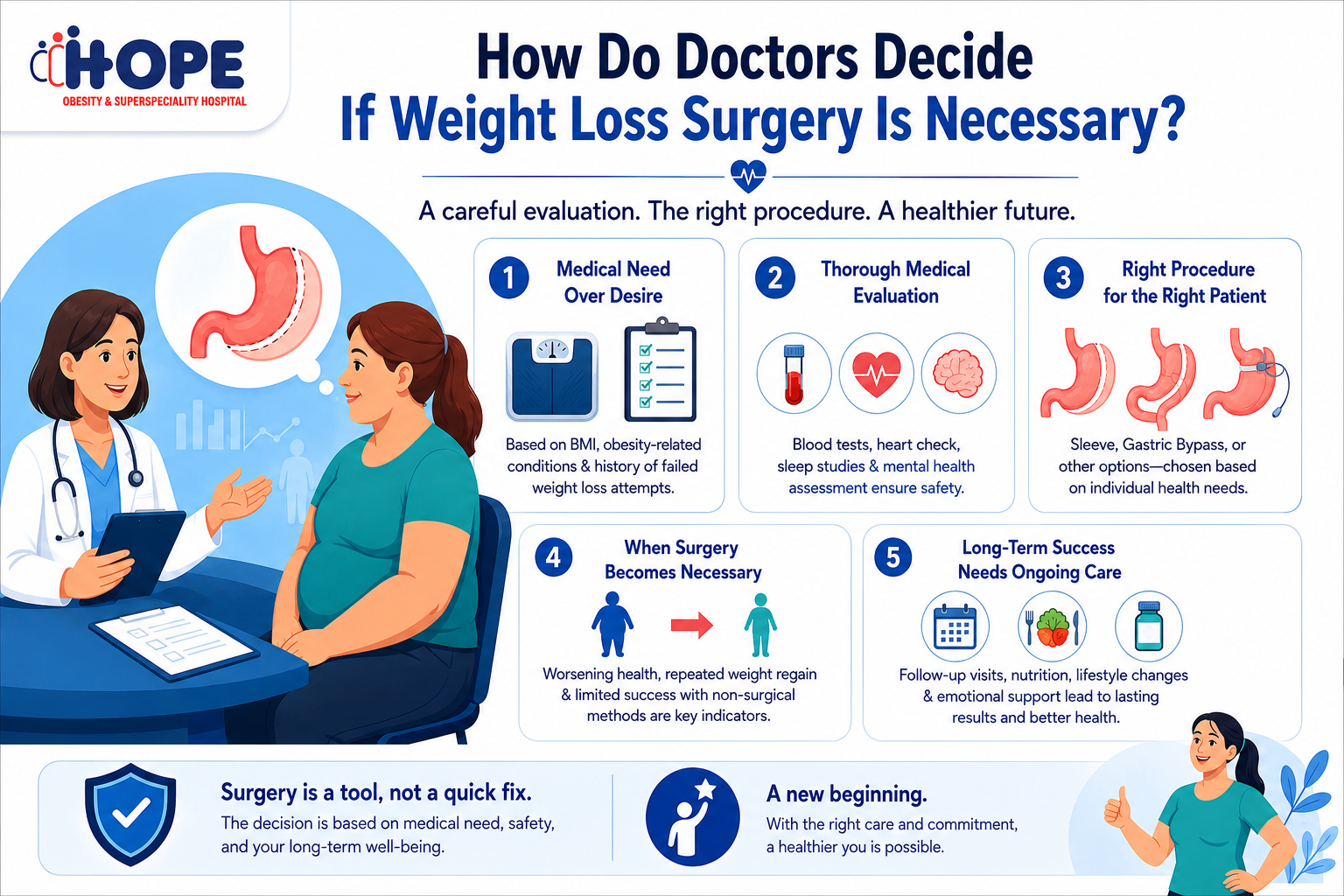
Bariatric surgery is recommended only after a thorough medical assessment. Not all individuals are suitable candidates, and proper evaluation ensures that the treatment is beneficial.
Patients who may be considered for this procedure include:
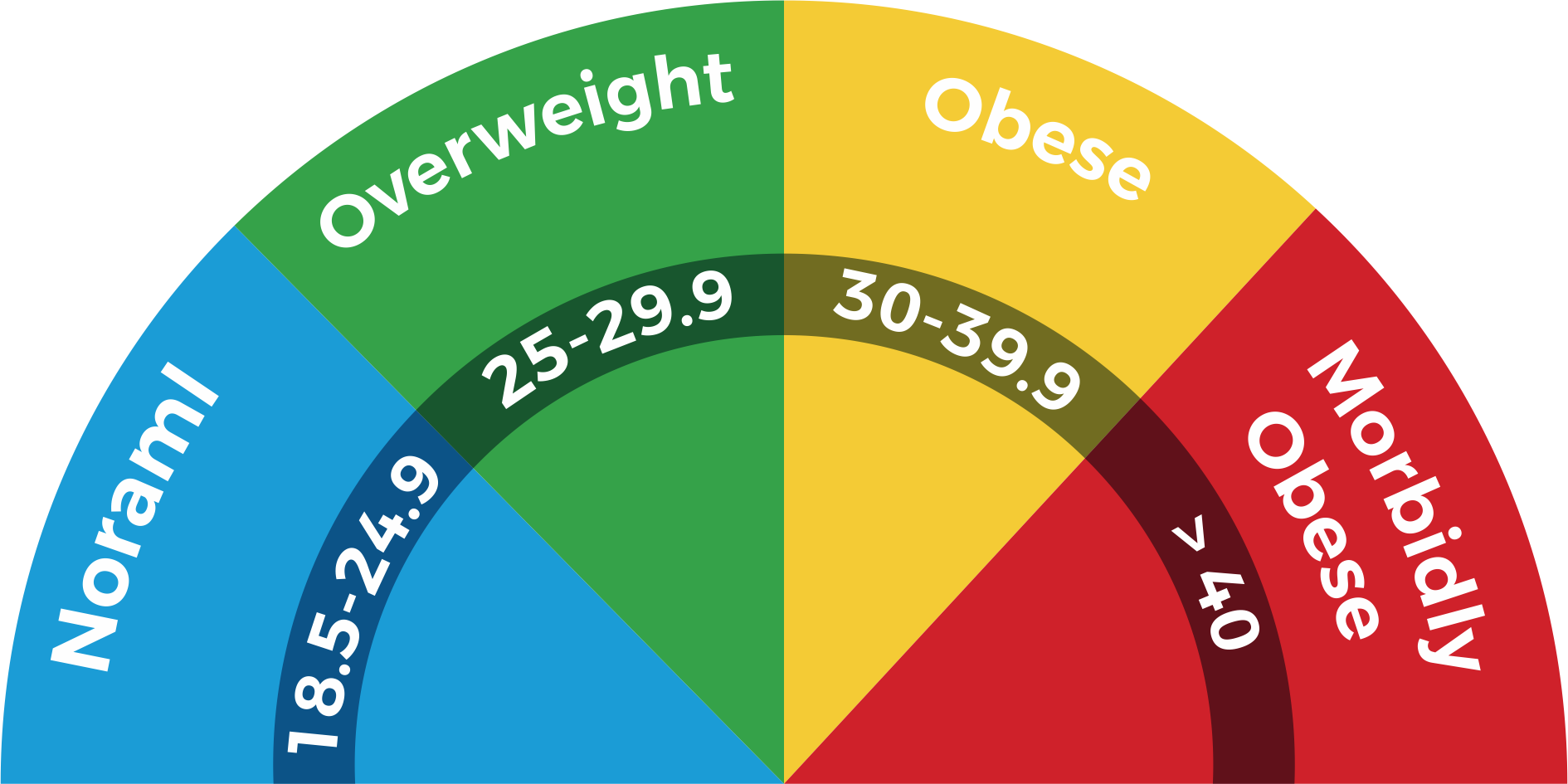
- Individuals with high BMI levels
- Those suffering from obesity-related conditions
- Patients who have not achieved results through conventional methods
This structured screening process helps specialists determine the most suitable treatment approach and ensures patient safety.
Stepwise Execution of the Procedure
The bariatric surgery process is carefully planned and executed in multiple stages to ensure effective results.
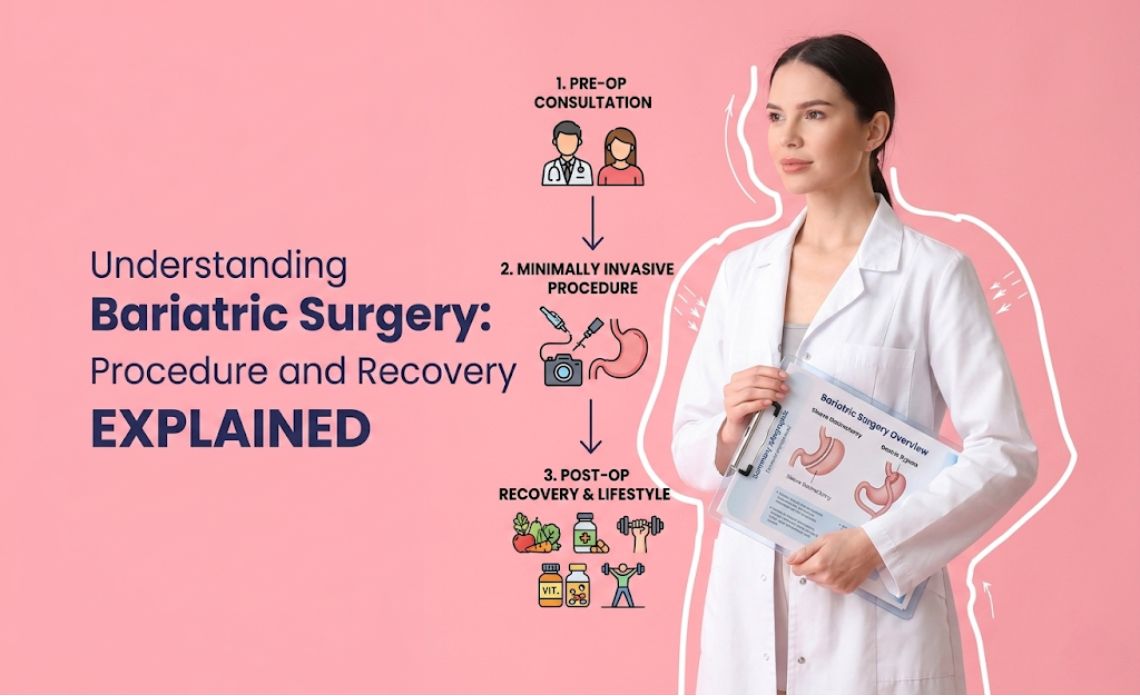
The initial phase involves a detailed medical evaluation, including diagnostic tests and physical examination. This is followed by pre-surgical preparation, where patients are guided on dietary changes and lifestyle adjustments.
The surgery itself is performed using minimally invasive laparoscopic techniques, which allow for greater precision and reduced recovery time.
After the procedure, patients are closely monitored to track healing and prevent complications. This step-by-step approach ensures a smooth and safe treatment journey.
Health Benefits Beyond Weight Loss
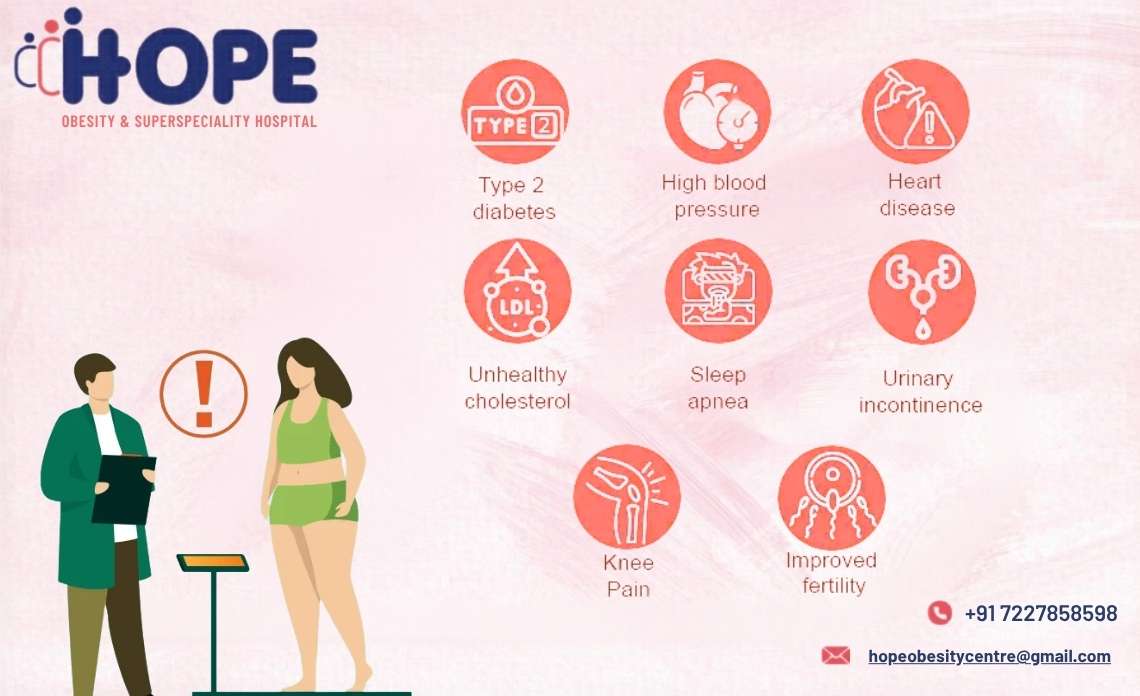
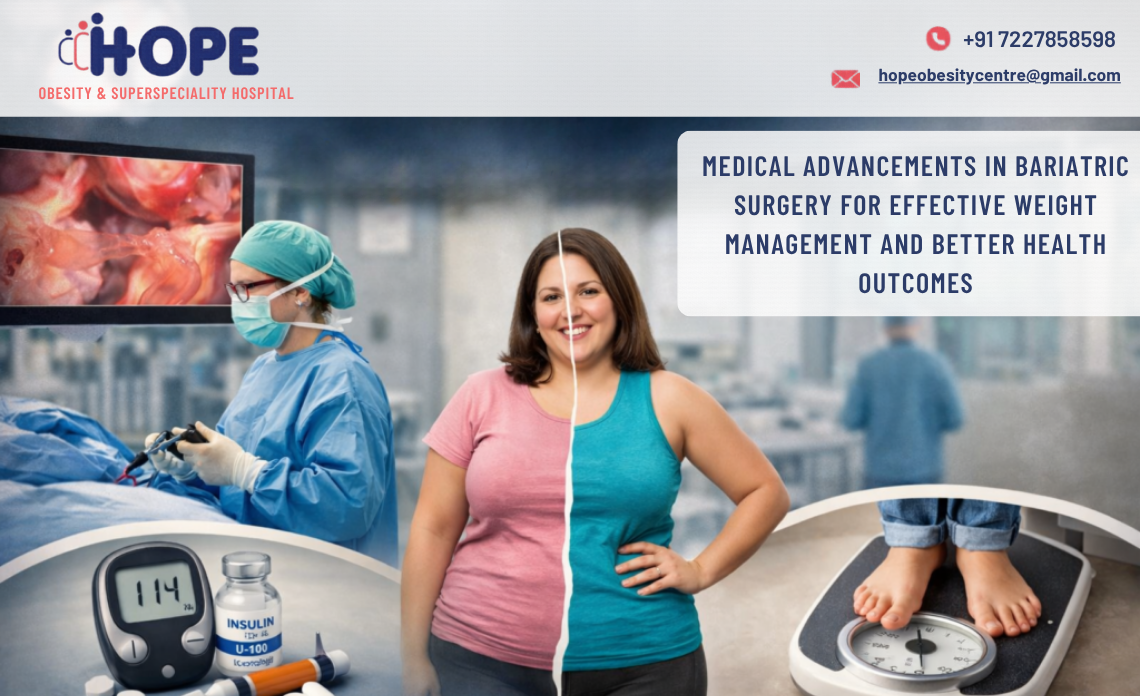
Bariatric surgery provides several health benefits that go beyond weight reduction. It plays an important role in improving overall body function and reducing the risk of chronic diseases.
Patients often experience better blood sugar control, improved blood pressure levels, increased mobility, and reduced strain on joints. In addition, many individuals notice enhanced energy levels and improved daily performance.
For individuals considering the best bariatric surgery in Ahmedabad, these health improvements make the procedure a valuable option for long-term wellness.
Recovery and Healing Progress
Recovery after bariatric surgery is generally gradual and depends on the type of procedure and individual health condition. Most patients begin to recover within a few weeks under proper medical guidance.
The recovery process usually involves a short hospital stay, followed by a gradual transition from a liquid diet to solid food. Regular follow-up visits are essential to monitor progress and ensure proper healing.
Physical activity is introduced slowly to support recovery and improve strength. With appropriate care, patients can return to their daily activities while continuing to improve their overall health.
Long-Term Lifestyle Discipline
Sustaining the results of bariatric surgery requires consistent lifestyle changes. Surgery provides a strong foundation, but long-term success depends on daily habits.
Patients are encouraged to follow a balanced diet, maintain portion control, and engage in regular physical activity. Avoiding high-calorie foods and maintaining routine medical check-ups are also important aspects of long-term care.
These lifestyle adjustments help maintain weight loss and support overall health improvement.
Ongoing Monitoring and Medical Support
Continuous medical supervision is essential for achieving long-term success after bariatric surgery. Regular follow-ups help track progress and ensure that patients stay on the right path.
Medical support includes nutritional guidance, monitoring of health parameters, and adjustments to lifestyle plans when needed. This ongoing care plays a crucial role in maintaining results and preventing complications.
Many individuals choose the best bariatric surgery in Ahmedabad because of the structured follow-up systems and patient-focused care that support long-term outcomes.
Safety Considerations and Risk Awareness
Bariatric surgery is considered safe when performed by experienced professionals using advanced techniques. However, like any surgical procedure, it may involve certain risks.
Patients may experience temporary discomfort, nutritional deficiencies, or digestive changes after surgery. These risks can be effectively managed with proper medical supervision and adherence to post-surgery guidelines.
At Hope Obesity Centre, safety remains a priority, with careful planning and continuous monitoring ensuring reliable treatment outcomes.
Frequently Asked Questions
1. What is bariatric surgery?
It is a medical procedure that helps reduce weight by modifying the digestive system and controlling food intake.
2. Who is eligible for bariatric surgery?
Individuals with high BMI and obesity-related conditions who have not achieved results through traditional methods may be eligible.
3. Is bariatric surgery safe?
Yes, it is safe when performed by experienced specialists using modern techniques.
4. How long does recovery take?
Recovery usually takes a few weeks depending on the procedure and individual health condition.
5. Are lifestyle changes necessary after surgery?
Yes, maintaining healthy habits is essential for long-term weight management and overall health.
Recent Posts

.jpg)
.jpg)
.jpg)








.jpg)

.jpg)