Medical Advancements in Bariatric Surgery for Effective Weight Management and Better Health Outcomes
Medical Advancements in Bariatric Surgery for Effective Weight Management and Better Health Outcomes
Addressing Obesity Through Modern Medical Solutions
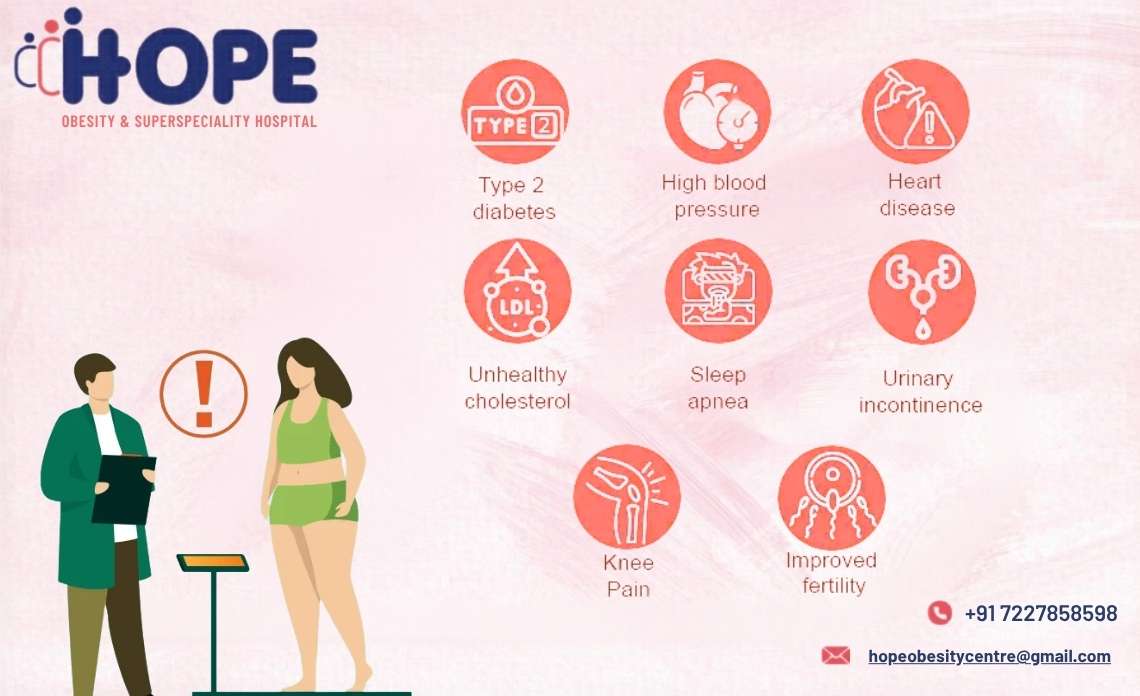
Obesity is a complex health condition that affects millions of people worldwide. It is associated with various medical concerns, including diabetes, high blood pressure, heart disease, sleep disorders, and joint-related problems. Excess body weight can gradually impact physical mobility, daily activities, and overall quality of life.
Although healthy eating habits and regular exercise remain important, some individuals may find it difficult to achieve sustainable weight loss through conventional methods alone. In such situations, bariatric procedures provide a structured medical approach for long-term weight management. Many individuals seeking advanced obesity treatment choose the best bariatric surgery in Ahmedabad to achieve healthier and more sustainable outcomes.
How Bariatric Procedures Support Long-Term Weight Reduction
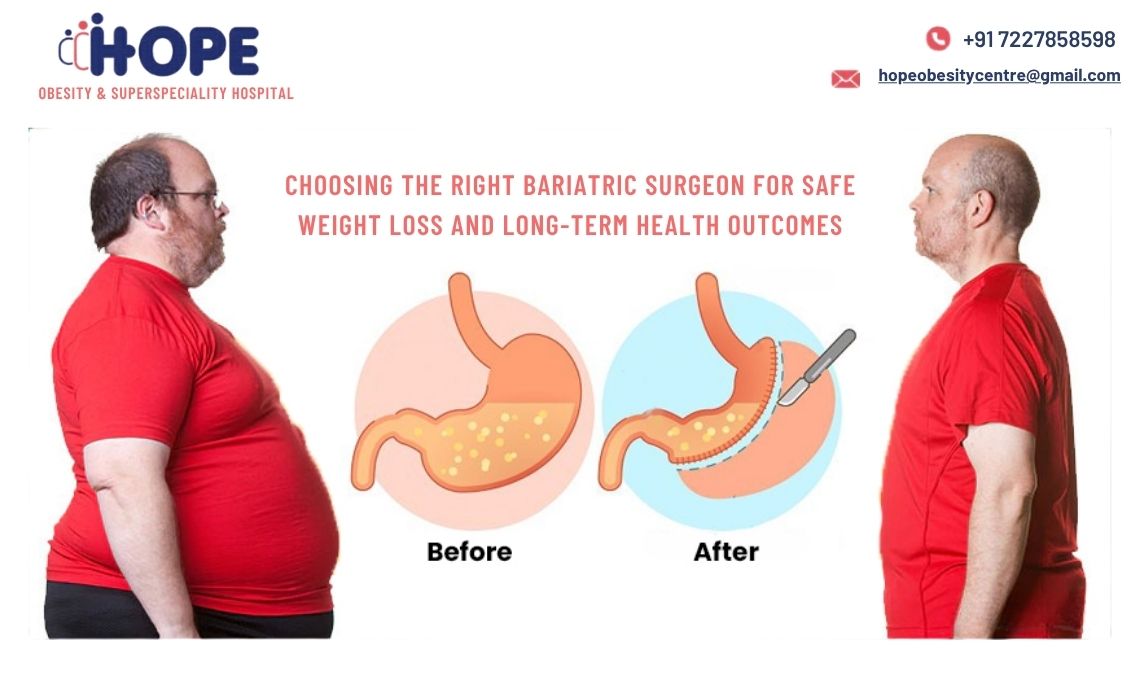
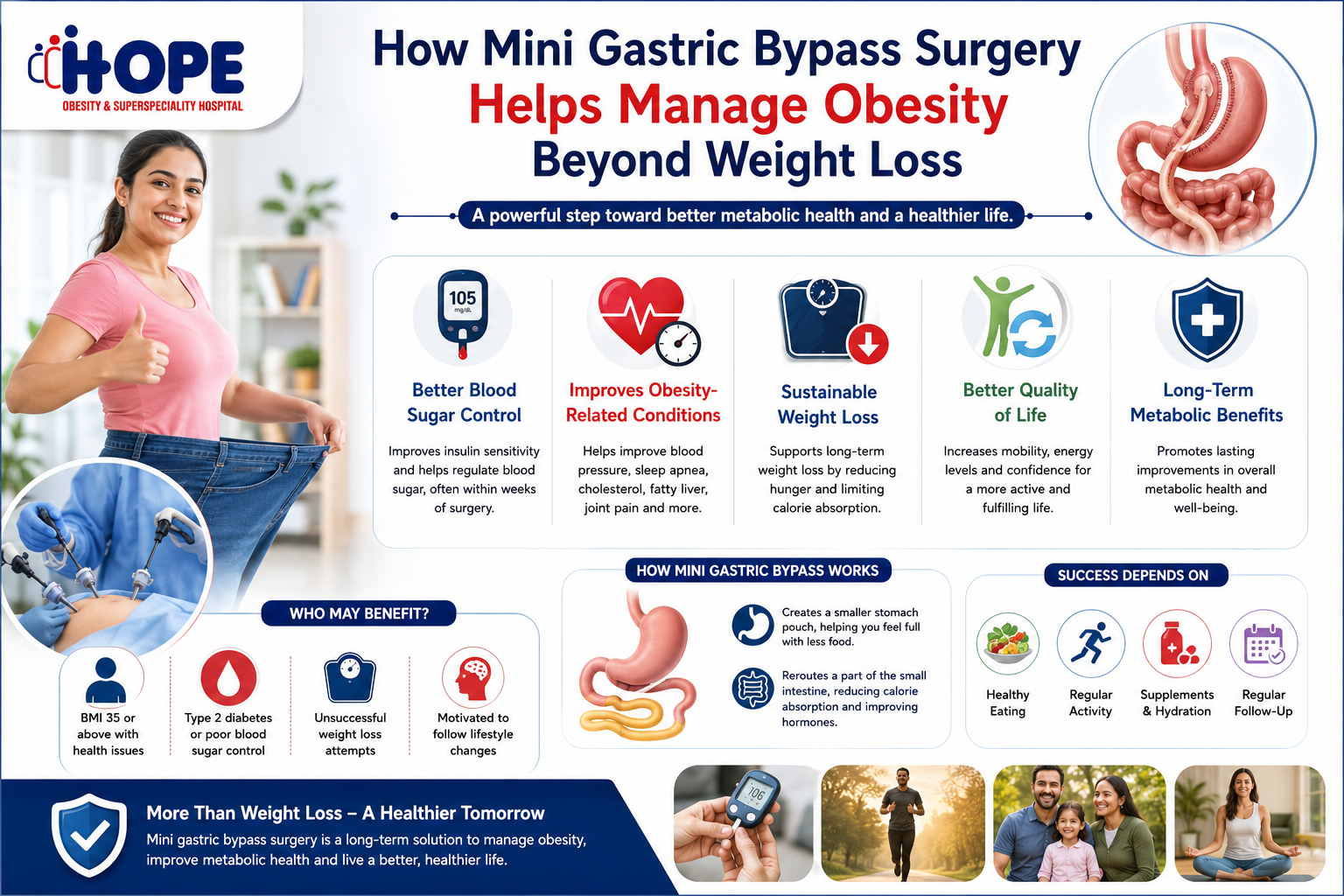
Bariatric surgery works by modifying the digestive system to support controlled and gradual weight loss. Depending on the procedure, the surgery may reduce stomach capacity, influence digestion, or affect hunger-regulating hormones.
These physiological changes help patients consume smaller portions of food and develop healthier eating patterns. As a result, calorie intake decreases naturally, supporting long-term weight management.
In addition to weight reduction, bariatric procedures contribute to improvements in metabolic health, helping patients manage obesity-related medical conditions more effectively.
Factors That Contribute to Severe Obesity
Obesity develops due to a combination of lifestyle, genetic, metabolic, and environmental factors. Understanding these causes is important for selecting the most appropriate treatment approach.
Common contributing factors include:
- Sedentary lifestyle and lack of physical activity
- Excessive calorie consumption
- Hormonal imbalances
- Genetic predisposition
- Emotional eating habits
- Sleep-related disorders
- Long-term metabolic changes
When obesity reaches a severe stage, medical intervention may become necessary to achieve meaningful and lasting health improvements.
Available Surgical Options for Weight Management
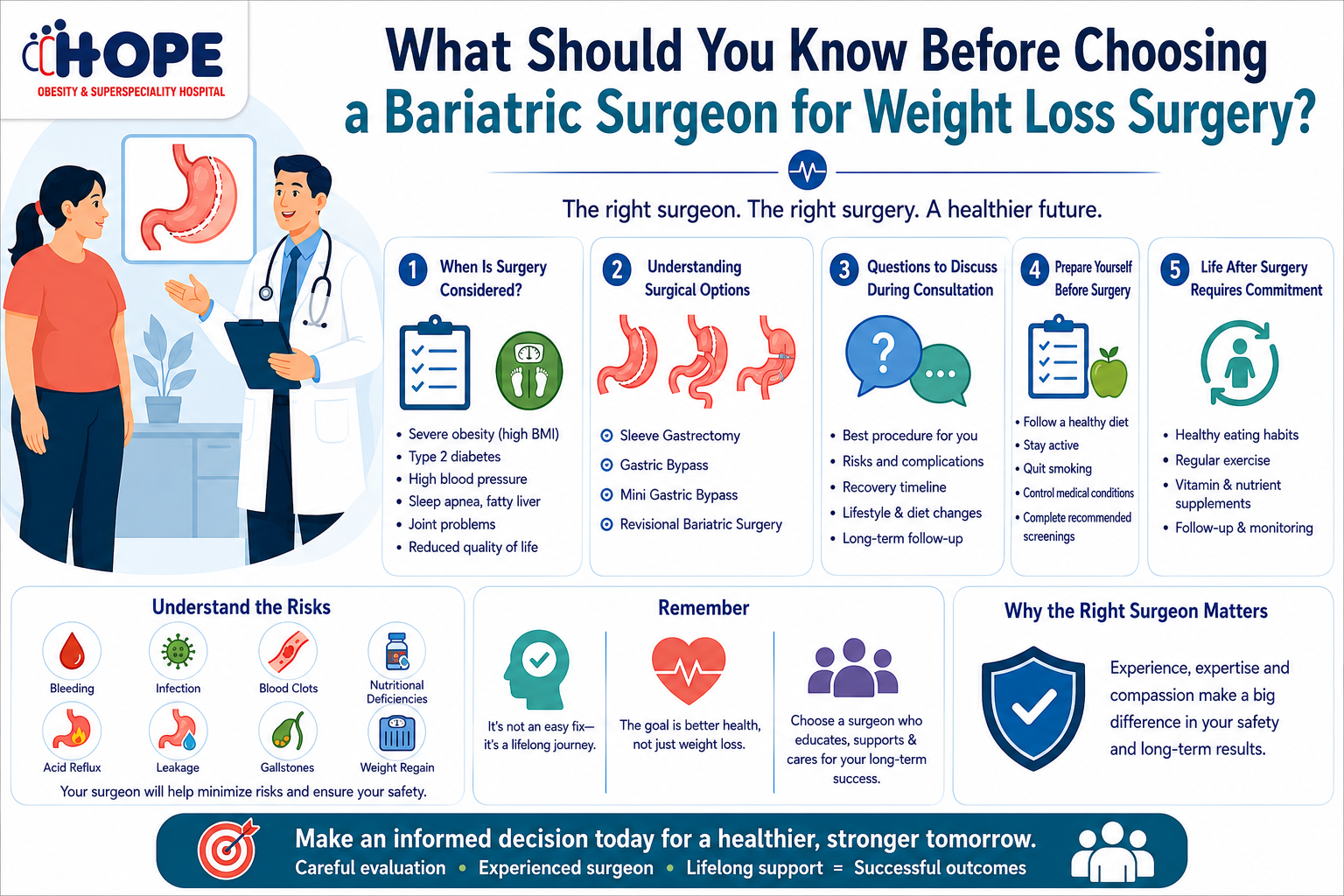
Modern bariatric treatment includes different surgical options designed to meet individual patient requirements.
Sleeve Gastrectomy
This procedure reduces the size of the stomach, helping patients feel satisfied with smaller food portions.
Gastric Bypass Surgery
Gastric bypass modifies the digestive pathway to reduce calorie absorption while limiting food intake.
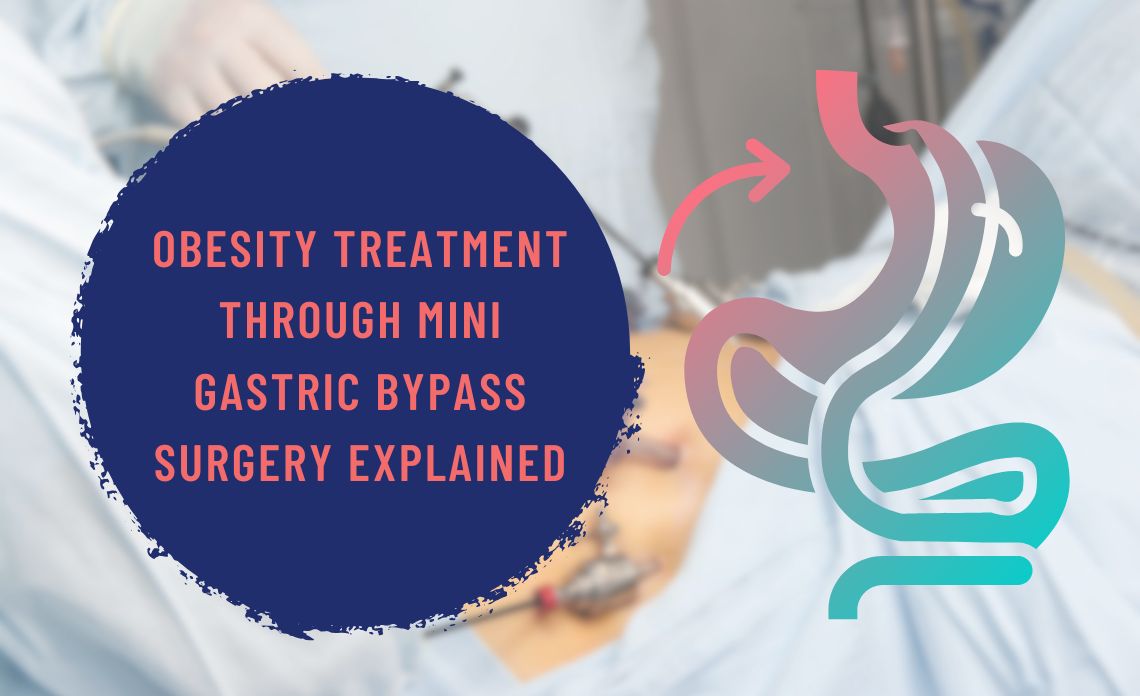
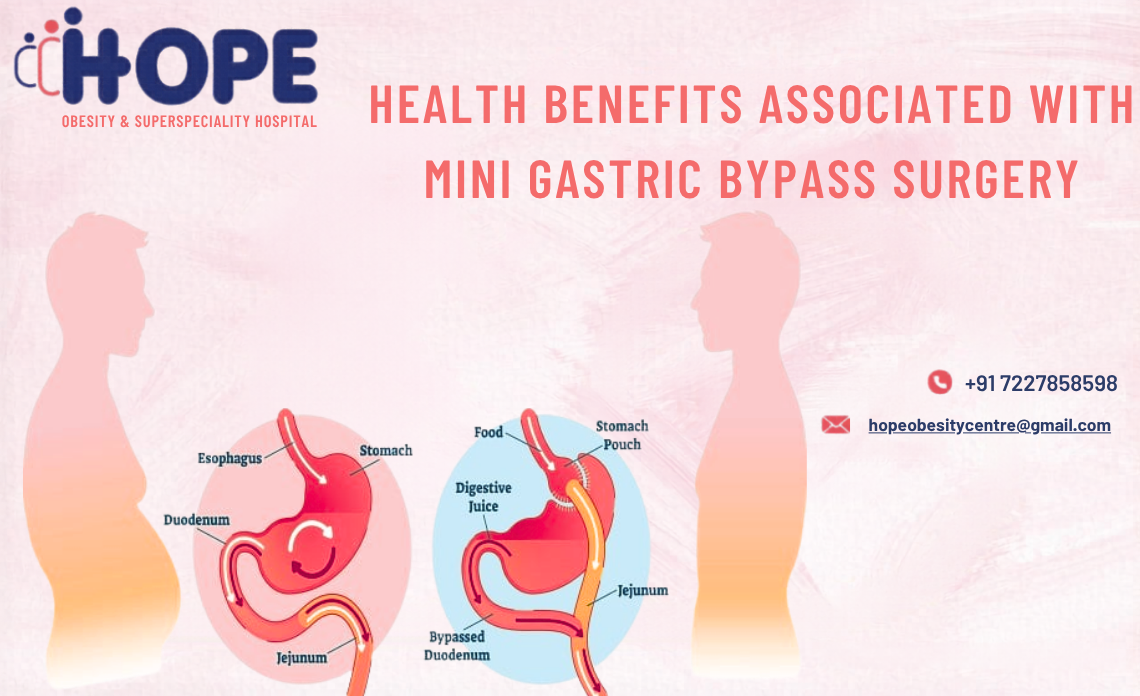
Mini Gastric Bypass
This procedure combines restrictive and metabolic benefits, making it an effective option for selected individuals.
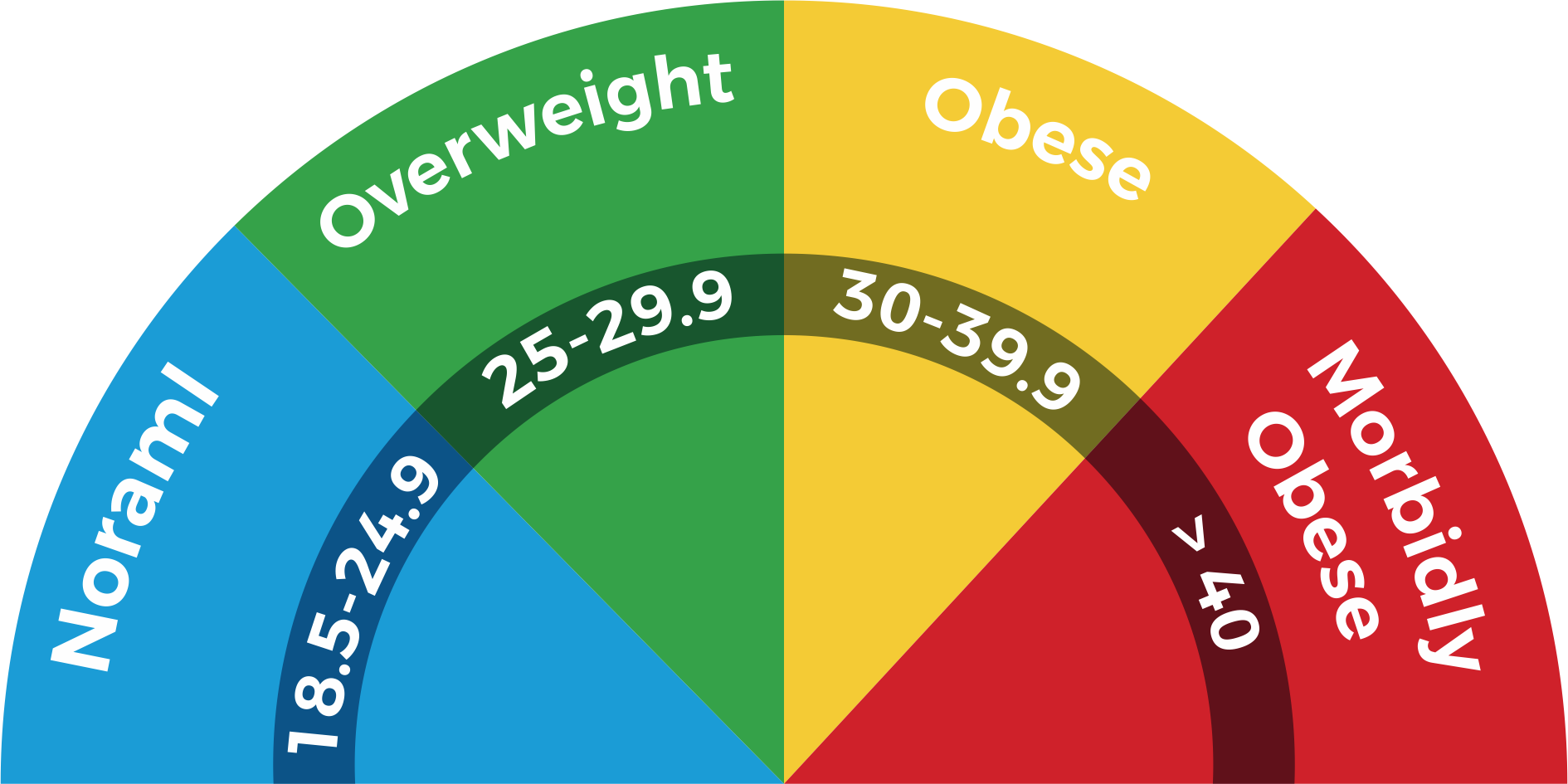
The choice of procedure depends on various factors, including body mass index, medical history, and overall health condition.
Clinical Assessment Before Treatment Planning
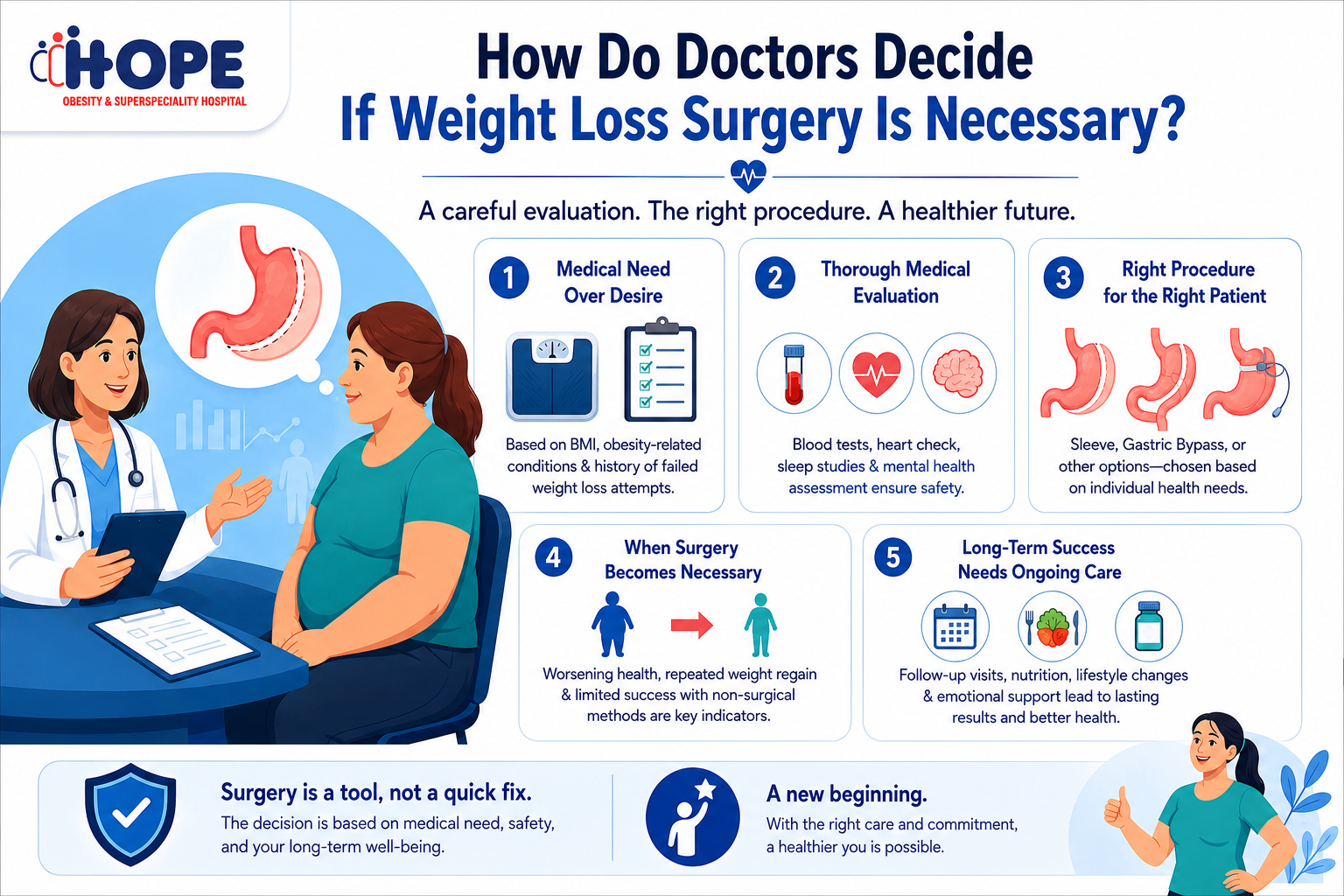
A detailed medical evaluation is essential before any bariatric procedure is recommended. Specialists assess the patient's overall health, obesity-related complications, and previous weight loss attempts.
The assessment process may include:
- Body mass index evaluation
- Blood investigations
- Metabolic health assessment
- Nutritional evaluation
- Lifestyle analysis
- Medical history review
This comprehensive approach helps create a personalized treatment plan that aligns with the patient's health goals.
Modern Surgical Techniques and Their Advantages
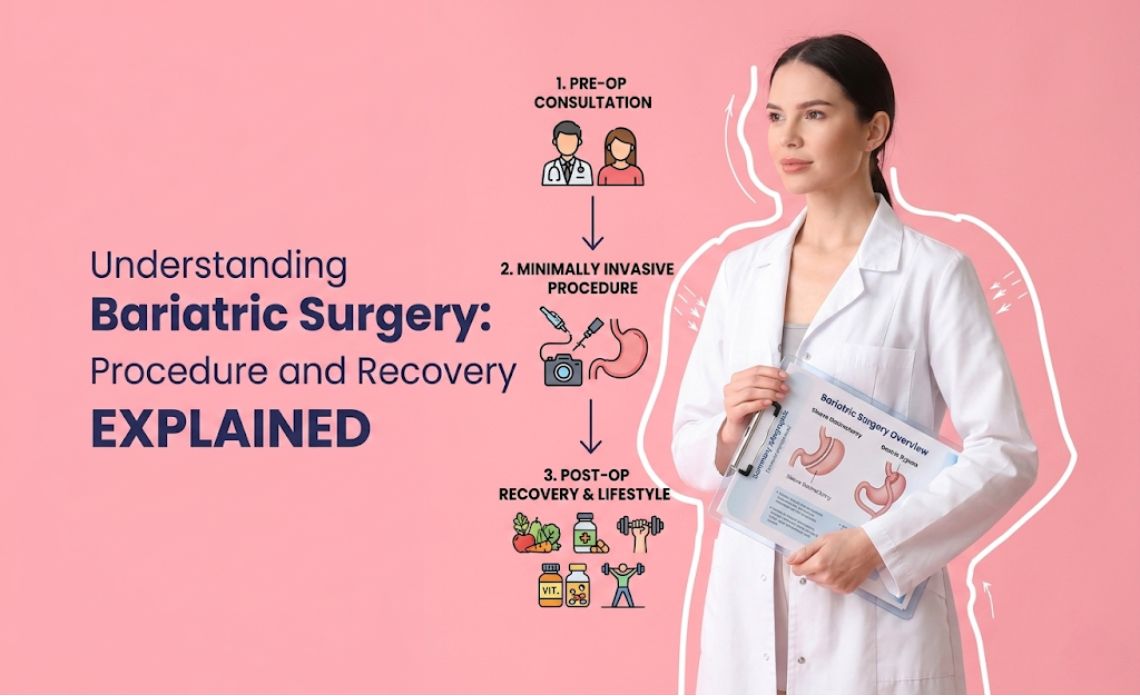
Most bariatric procedures today are performed using minimally invasive laparoscopic techniques. This modern surgical approach involves small incisions and specialized instruments that allow greater precision during surgery.
Compared to traditional open surgery, laparoscopic procedures generally offer:
- Reduced discomfort after surgery
- Smaller surgical scars
- Faster recovery periods
- Shorter hospital stays
- Lower risk of complications
Because of these advantages, many patients seeking the best bariatric surgery in Ahmedabad prefer minimally invasive treatment options that support safer procedures and quicker healing.
Positive Impact on Overall Health
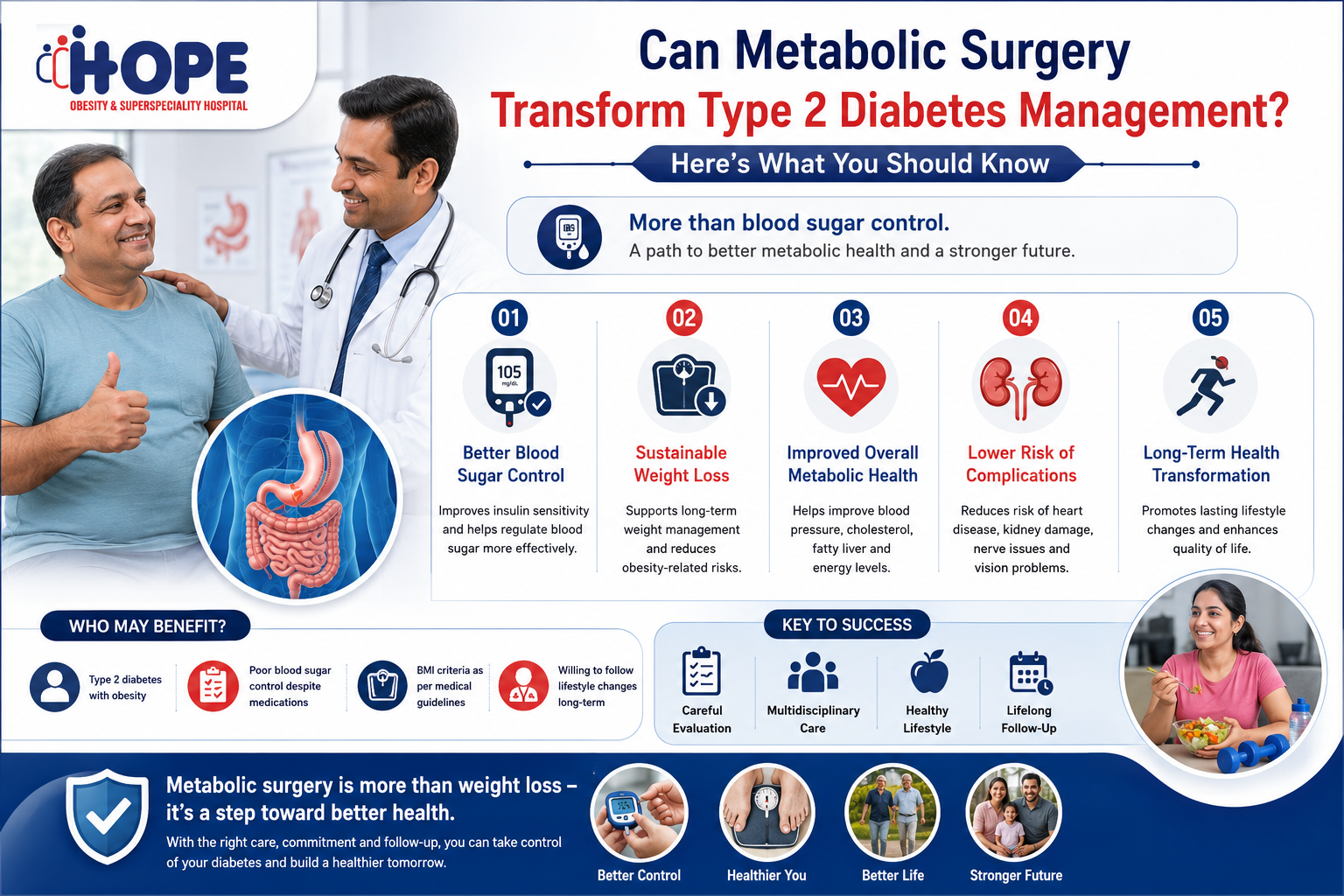
Weight reduction achieved through bariatric treatment often leads to improvements in several obesity-related health conditions. Many patients notice significant health benefits within months of surgery.
Common improvements may include:
- Better blood sugar management
- Improved insulin sensitivity
- Reduced blood pressure levels
- Lower cholesterol levels
- Better sleep quality
- Increased physical activity
These changes contribute to improved overall health and help reduce the long-term risk of chronic diseases.
Recovery and Healing After Surgery
Recovery after bariatric surgery usually progresses gradually with proper medical supervision. Most patients begin walking shortly after the procedure and return to routine activities within a few weeks.
The recovery process involves a structured nutritional plan that starts with liquids and gradually transitions to soft foods and balanced meals. Regular follow-up appointments allow specialists to monitor healing and track progress.
Following post-operative guidelines carefully helps ensure successful recovery and long-term treatment outcomes.
Nutritional Habits for Sustainable Results
Long-term success after bariatric treatment depends largely on maintaining healthy nutritional habits. Surgery provides an effective tool for weight management, but healthy lifestyle choices remain essential.
Patients are encouraged to focus on:
- Balanced nutrition
- Portion control
- Adequate protein intake
- Proper hydration
- Consistent meal timing
These habits help maintain weight reduction and support long-term health improvements.
Enhancing Physical Mobility and Daily Functioning
Significant weight reduction often improves movement, flexibility, and overall physical comfort. Reduced pressure on joints and muscles can make daily activities easier and more comfortable.
Many patients report better stamina, increased participation in physical activities, and improved independence after treatment. Enhanced mobility also contributes to better quality of life and overall well-being.
Individuals opting for the best bariatric surgery in Ahmedabad often seek these broader lifestyle improvements in addition to weight reduction.
Long-Term Monitoring and Continued Care
Bariatric treatment does not end after surgery. Continuous medical monitoring plays an important role in maintaining successful outcomes and preventing potential complications.
Regular follow-up visits allow healthcare professionals to assess nutritional health, monitor progress, and provide ongoing guidance. This continued support helps patients maintain healthy routines and achieve long-term success.
A structured follow-up program also helps ensure that weight management goals remain achievable and sustainable over time.
Important Considerations Before Choosing Bariatric Treatment
Before proceeding with bariatric surgery, patients should understand that the procedure is part of a broader health transformation journey. Success depends on a combination of medical treatment, lifestyle modifications, nutritional discipline, and long-term commitment.
Proper patient education and realistic expectations contribute significantly to successful outcomes. With the right support system and medical guidance, bariatric treatment can become an effective pathway toward improved health and long-term weight management.
Recent Posts

.jpg)
.jpg)
.jpg)








.jpg)

.jpg)