How Do Doctors Decide If Weight Loss Surgery Is Necessary?
How Do Doctors Decide If Weight Loss Surgery Is Necessary?
Why More Patients Are Researching Their Options Online
A noticeable shift has taken place in how people approach obesity treatment. Instead of relying solely on a single doctor's opinion, many patients now spend weeks reading medical literature, comparing procedures, and trying to understand what qualifies as a genuine medical need versus a personal preference. This growing interest is reflected in how often people search for weight loss surgery in Ahmedabad, trying to separate credible medical information from marketing language. That instinct to research thoroughly before making a decision is a healthy one, especially for a procedure that permanently changes digestive anatomy.
The Difference Between Wanting to Lose Weight and Needing To
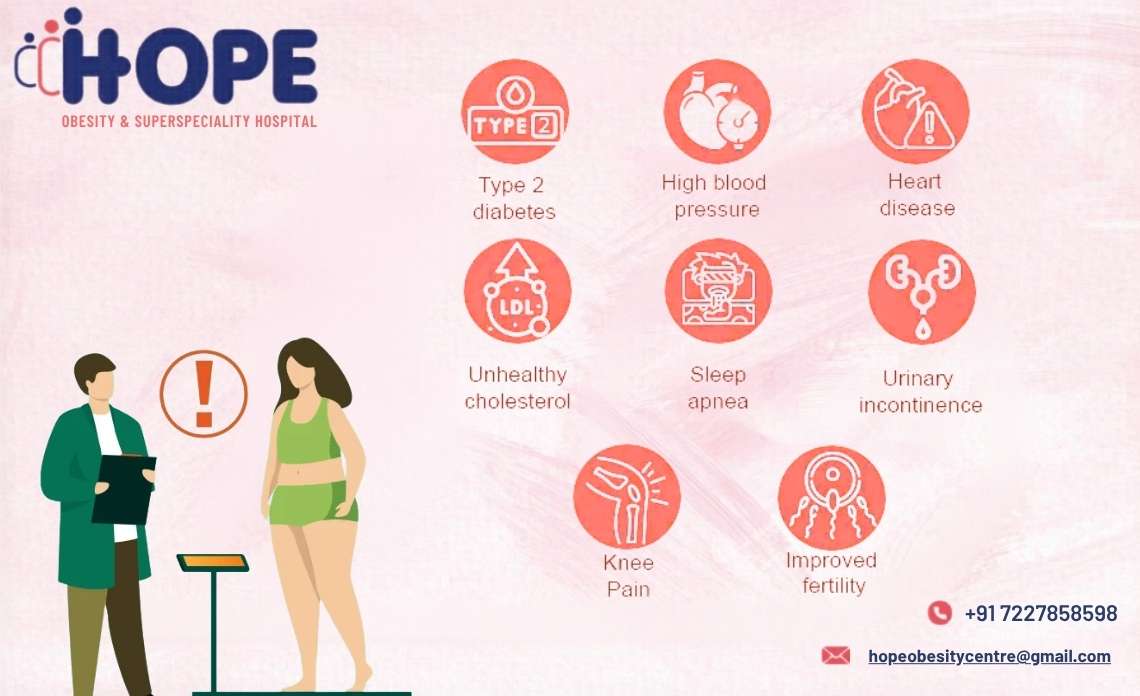
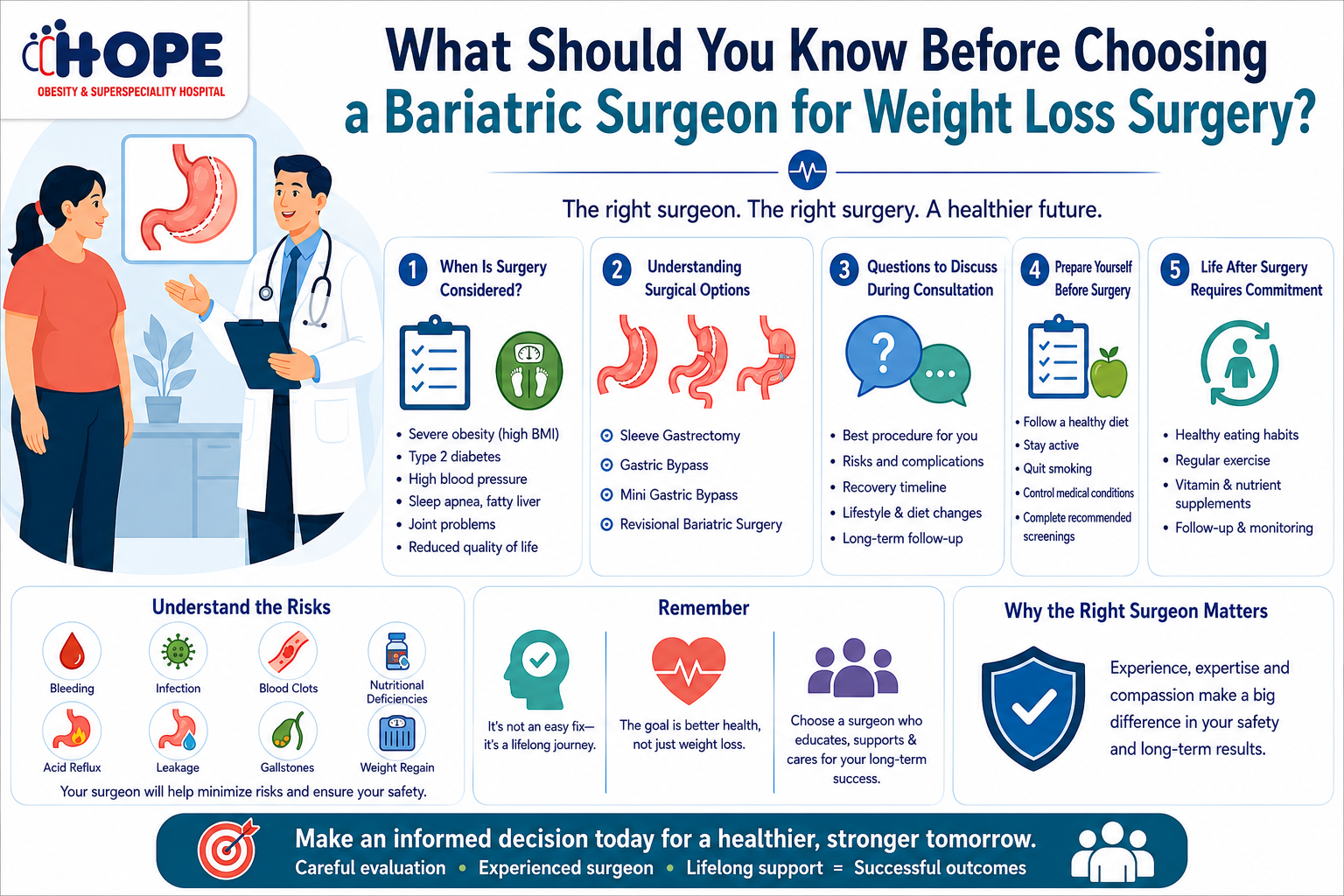
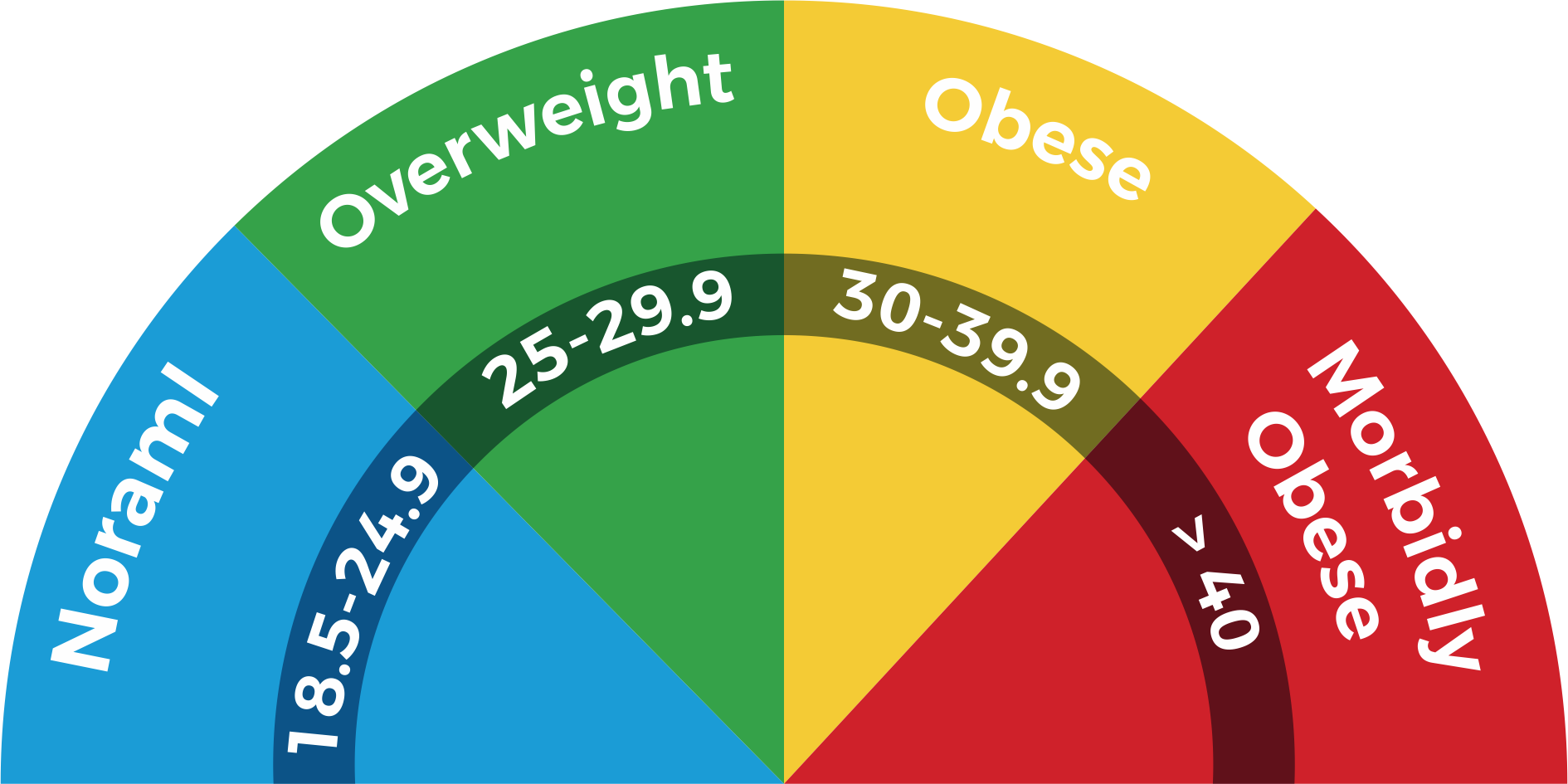
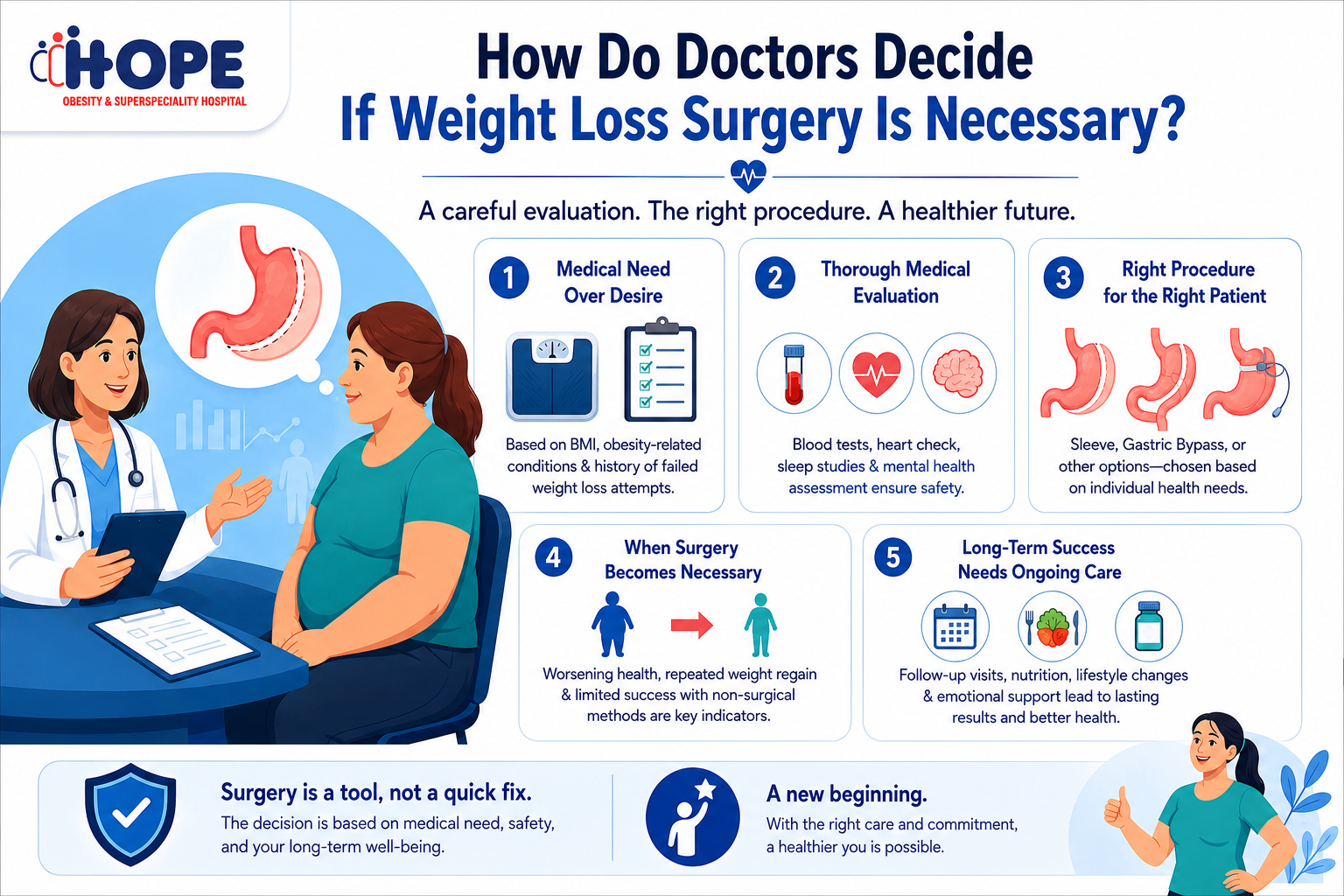
Desire to lose weight and medical necessity are not the same thing, though they're often conflated. Wanting to look or feel different is a valid personal goal, but it doesn't, on its own, indicate candidacy for surgery. Medical necessity is established through objective measures — body mass index, the presence of obesity-related conditions like sleep apnea or joint degeneration, and documented history of unsuccessful attempts at supervised weight management. Doctors rely on this distinction to ensure surgery is offered to those whose health is genuinely at risk, rather than as a general-purpose solution for anyone dissatisfied with their weight.
What Happens During the Medical Evaluation Process
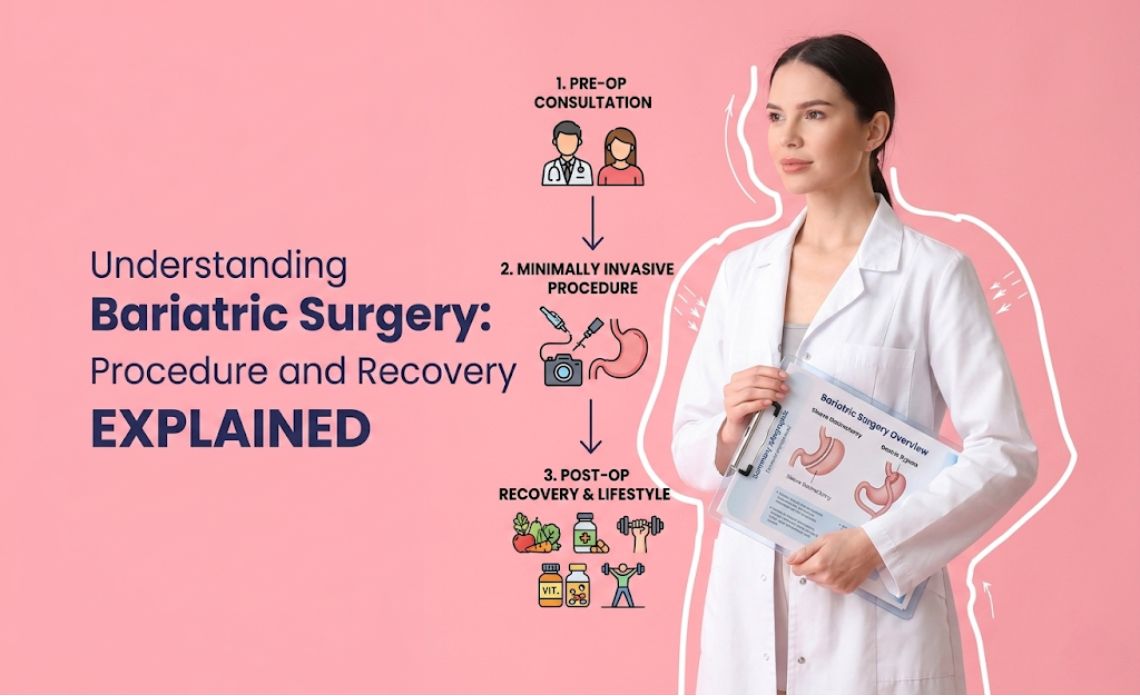
Before any surgical date is set, patients go through a structured evaluation designed to assess whether their body can safely tolerate the procedure and its aftermath. This typically includes blood panels checking organ function and nutrient levels, cardiac screening, and an assessment of mental health and coping mechanisms around food. Sleep studies are often requested if sleep apnea is suspected, since untreated apnea can complicate anesthesia. This evaluation phase isn't a formality — it's where many underlying health issues are first identified and addressed, sometimes reshaping the treatment plan entirely.
Breaking Down the Surgical Techniques Available Today
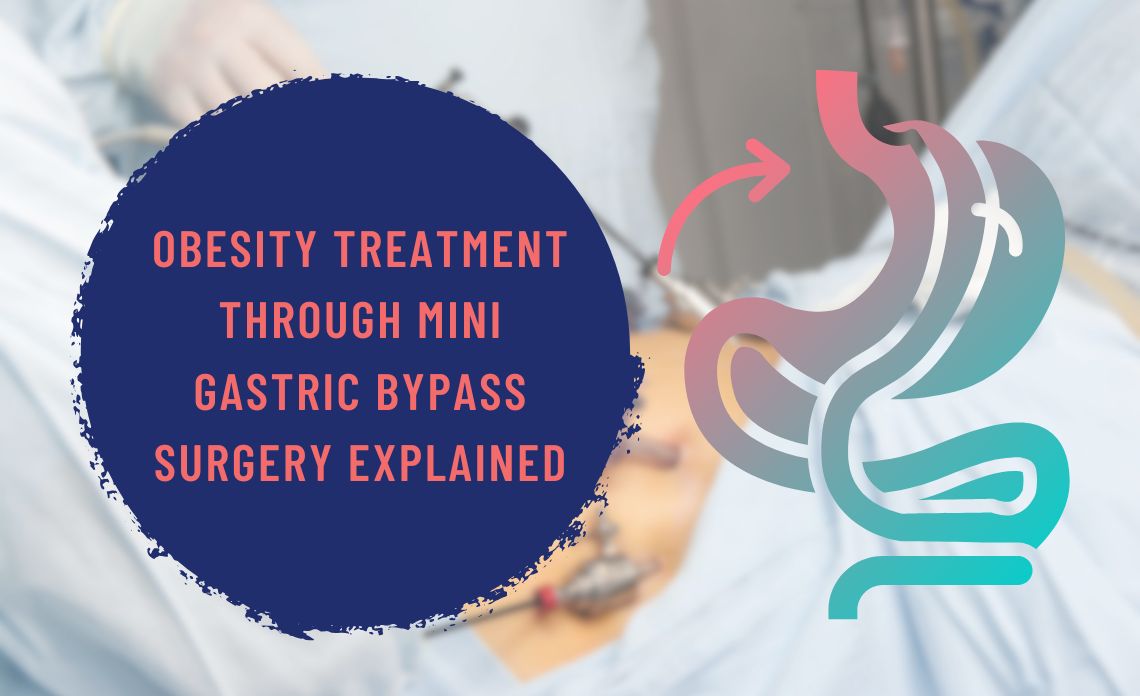
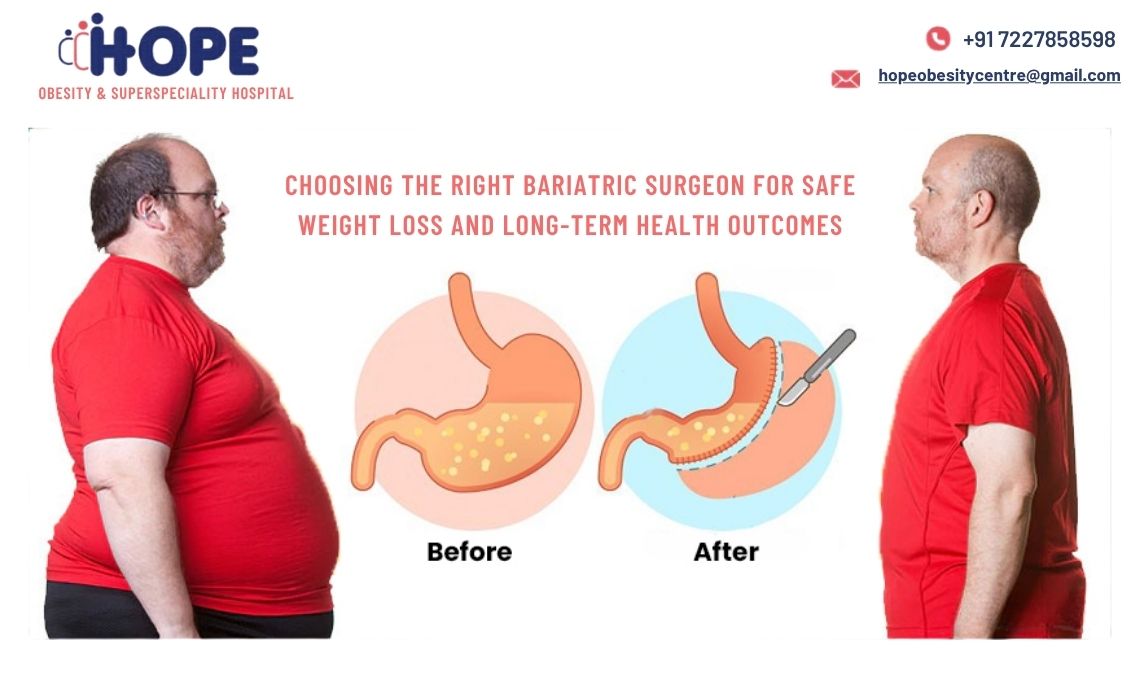
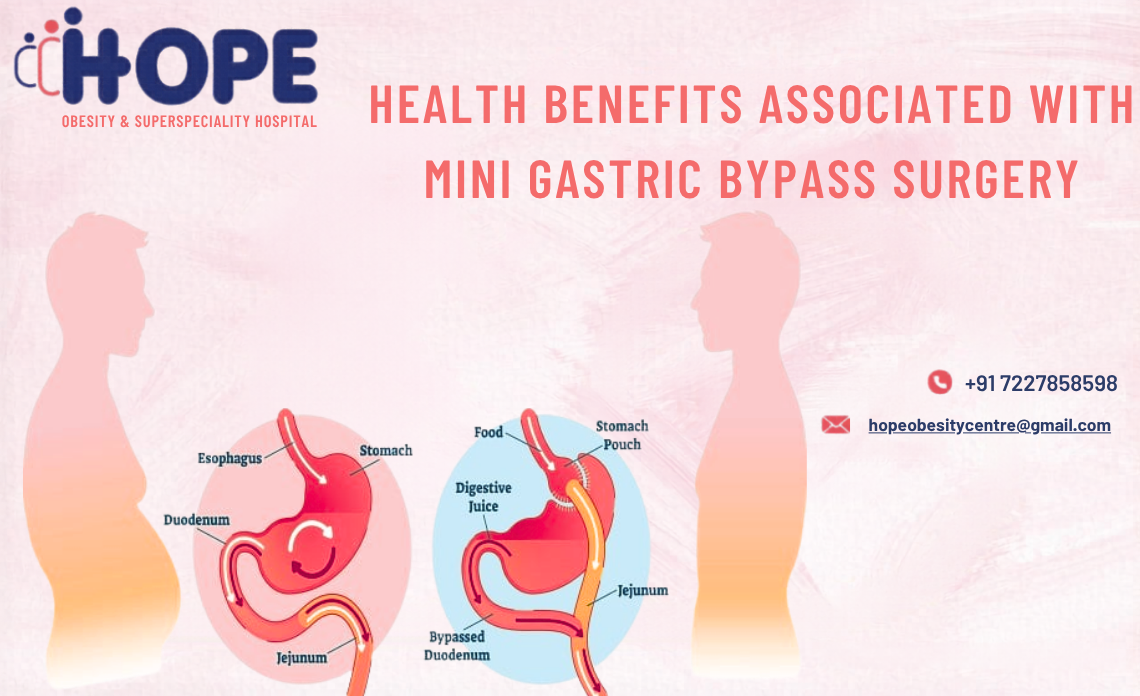
There isn't a single "weight loss surgery" — the term covers several distinct procedures, each with different mechanisms and suitability criteria. Sleeve gastrectomy reduces stomach volume by removing a large portion of it, primarily limiting food intake and hunger hormone production. Gastric bypass reroutes part of the digestive tract, affecting both intake and nutrient absorption. Adjustable gastric banding, once common, is used far less frequently today due to comparatively higher long-term revision rates. The right technique depends on a patient's weight history, existing health conditions, and how their body has responded to previous interventions.
Signs That Nonsurgical Methods May Not Be Enough
Not every case requiring evaluation for surgery has exhausted every possible nonsurgical avenue, but there are patterns that suggest medical management alone is unlikely to succeed. Repeated weight regain after supervised diet programs, worsening metabolic markers despite consistent effort, or obesity-related complications that continue progressing despite medication are common indicators. These patterns don't reflect a lack of effort on the patient's part — they often point to physiological resistance that behavioral changes alone struggle to overcome, which is precisely the gap surgical intervention is designed to address.
The Emotional Side of Preparing for a Major Procedure
The psychological preparation for surgery is frequently underestimated compared to the physical preparation. Many patients carry years of complicated feelings about food, body image, and previous failed attempts at weight loss, and these emotions don't disappear simply because a surgical date has been set. Pre-surgical counseling exists to help patients process these feelings and build coping strategies that don't rely on old eating patterns. Ignoring this emotional groundwork can undermine even a technically successful surgery, since the relationship with food remains central to long-term outcomes.
Setting Realistic Expectations for the First Year
The first twelve months after surgery involve the most significant physical changes, but expectations need to be grounded in what's medically typical rather than idealized outcomes. Weight loss is usually most rapid in the initial months and gradually slows as the body stabilizes. Plateaus are a normal part of this process, not a sign of failure. Patients who understand this pattern in advance tend to respond to plateaus with patience and adjusted strategy rather than discouragement, which supports more consistent long-term results.
How Follow-Up Care Shapes Long-Term Success
Surgery itself is only one part of a much longer treatment relationship. Ongoing follow-up — including nutritional monitoring, bloodwork to catch deficiencies early, and periodic check-ins on eating habits — plays a substantial role in determining whether results are maintained over years rather than months. Patients who research weight loss surgery in Ahmedabad often focus heavily on the procedure itself, but the quality and consistency of follow-up care afterward is just as influential in shaping whether the surgery's benefits hold up over time. This is worth factoring into any decision about where and how to pursue treatment.
What Long-Term Data Suggests About Sustained Results
Longer-term outcomes for surgical weight loss tend to be more favorable than most nonsurgical approaches for patients who meet clinical criteria, particularly regarding improvement in blood sugar control and cardiovascular risk factors. That said, outcomes vary considerably based on individual adherence to dietary guidance and follow-up care. Surgery changes the body's physiology, but it doesn't remove the need for ongoing self-management. Anyone weighing weight loss surgery in Ahmedabad as an option should view it as the start of a sustained health commitment rather than a single corrective event.
Recent Posts

.jpg)
.jpg)
.jpg)








.jpg)

.jpg)