What Should You Know Before Choosing a Bariatric Surgeon for Weight Loss Surgery?
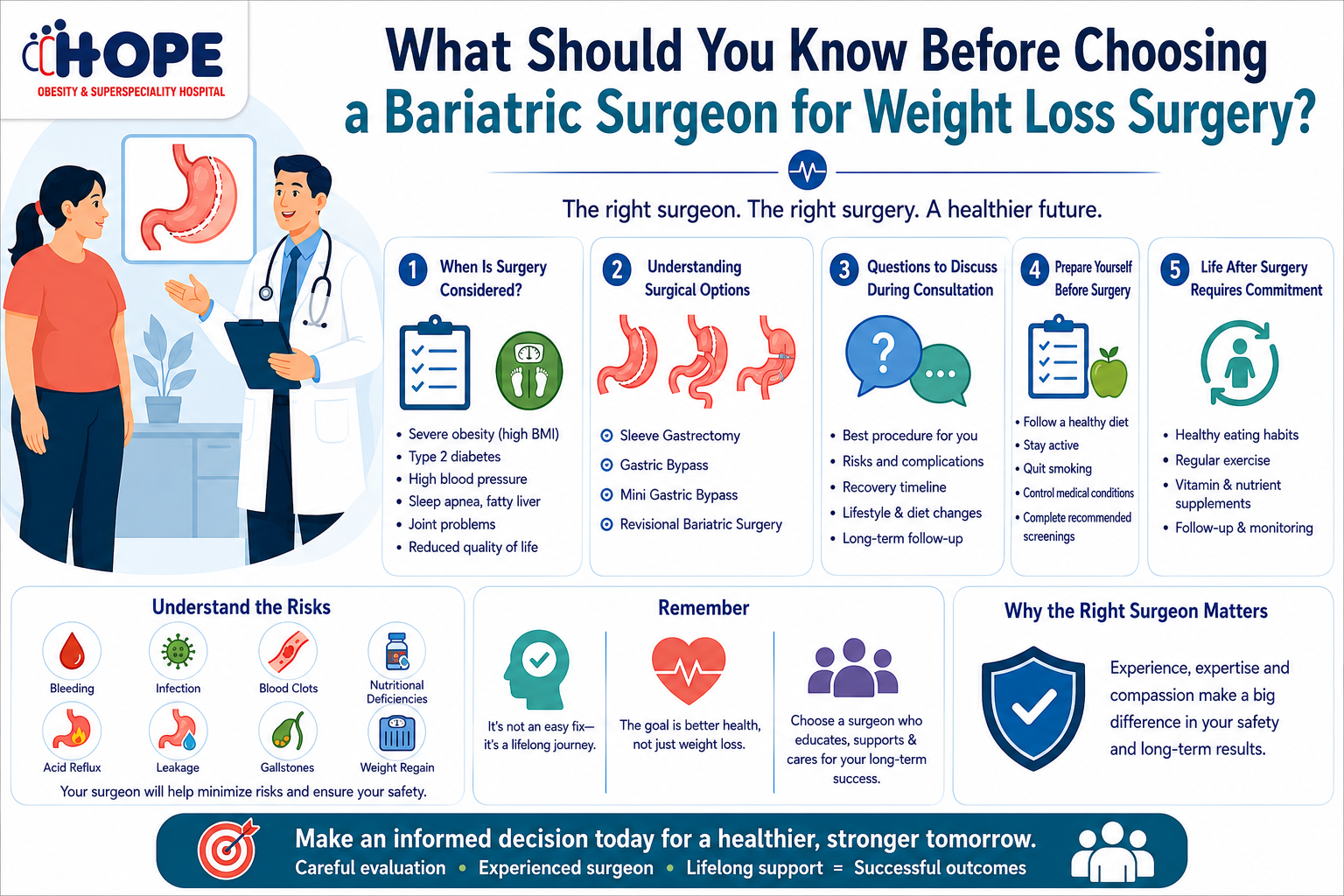
What Should You Know Before Choosing a Bariatric Surgeon for Weight Loss Surgery?
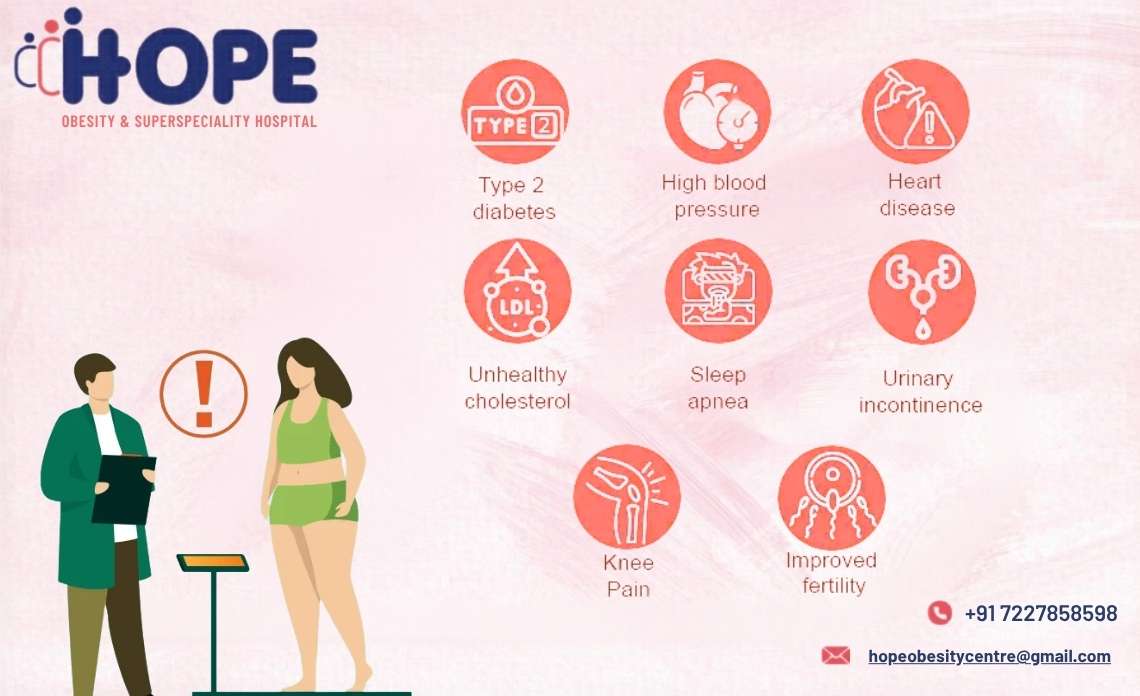
Obesity is more than a cosmetic concern—it is a chronic medical condition that can increase the risk of diabetes, high blood pressure, sleep apnea, joint pain, heart disease, and several other health complications.
While healthy eating, exercise, and lifestyle changes remain the foundation of weight management, they may not always be enough for individuals with severe obesity.
In such cases, bariatric surgery can become a medically recommended treatment option. However, the success of the procedure depends not only on the surgery itself but also on selecting the best bariatric surgeon in Ahmedabad who has the expertise to guide patients through every stage of treatment. Understanding what to look for before making this decision can help patients achieve safer procedures and better long-term outcomes.
Understanding the Role of a Bariatric Surgeon
A bariatric surgeon is a specialist trained to perform surgical procedures that support long-term weight loss by modifying the digestive system. These surgeries are carefully planned after evaluating an individual's overall health, body mass index (BMI), existing medical conditions, previous weight-loss attempts, and long-term treatment goals.
Beyond performing surgery, bariatric surgeons work alongside dietitians, physicians, psychologists, and other healthcare professionals to provide comprehensive obesity management. Their role extends from initial assessment and treatment planning to post-operative follow-up and long-term health monitoring.
When Does Weight Loss Surgery Become a Medical Option?
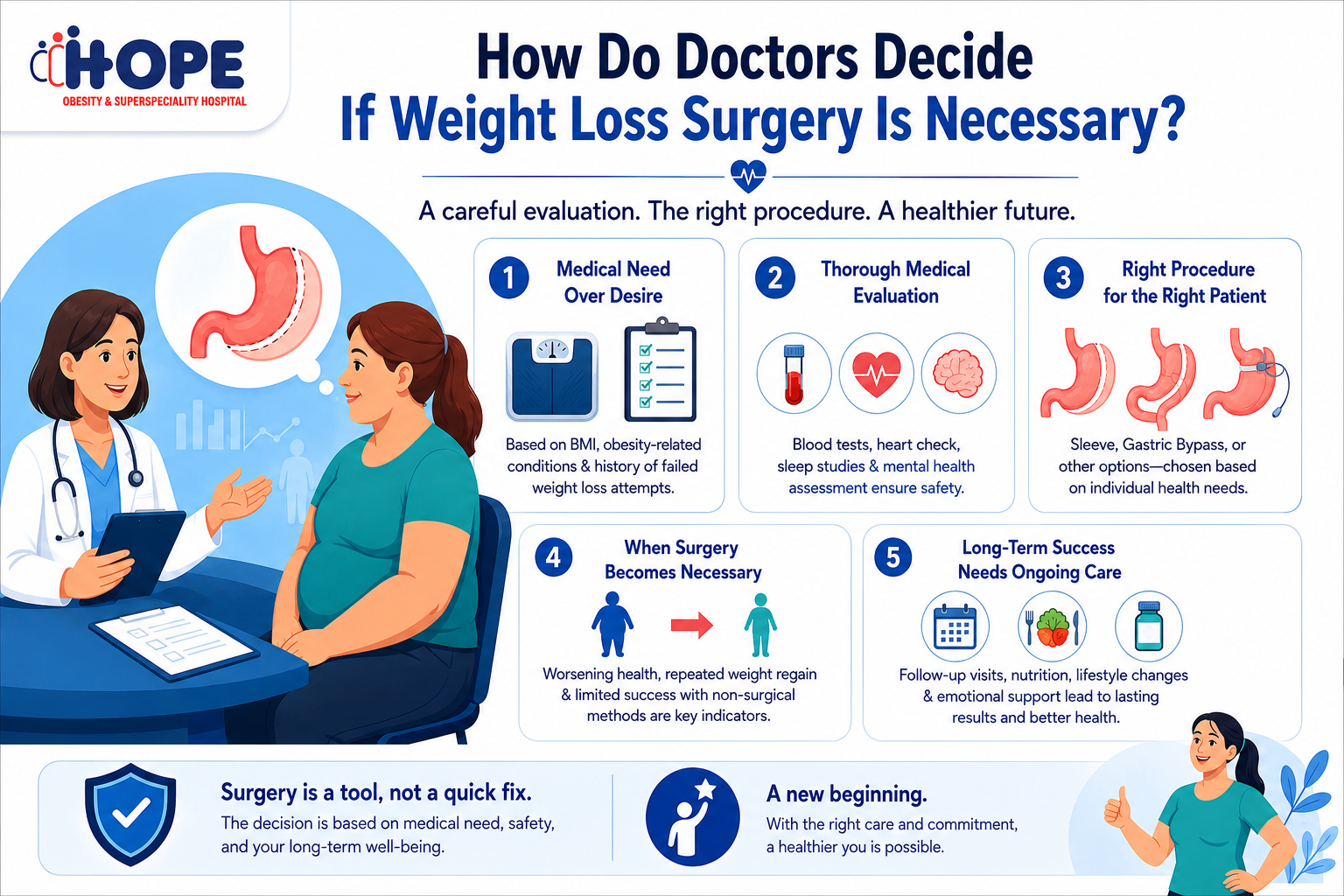
Weight loss surgery is generally considered for individuals who have not achieved sustainable results through non-surgical methods. Doctors typically evaluate several medical factors before recommending surgery.
These may include:
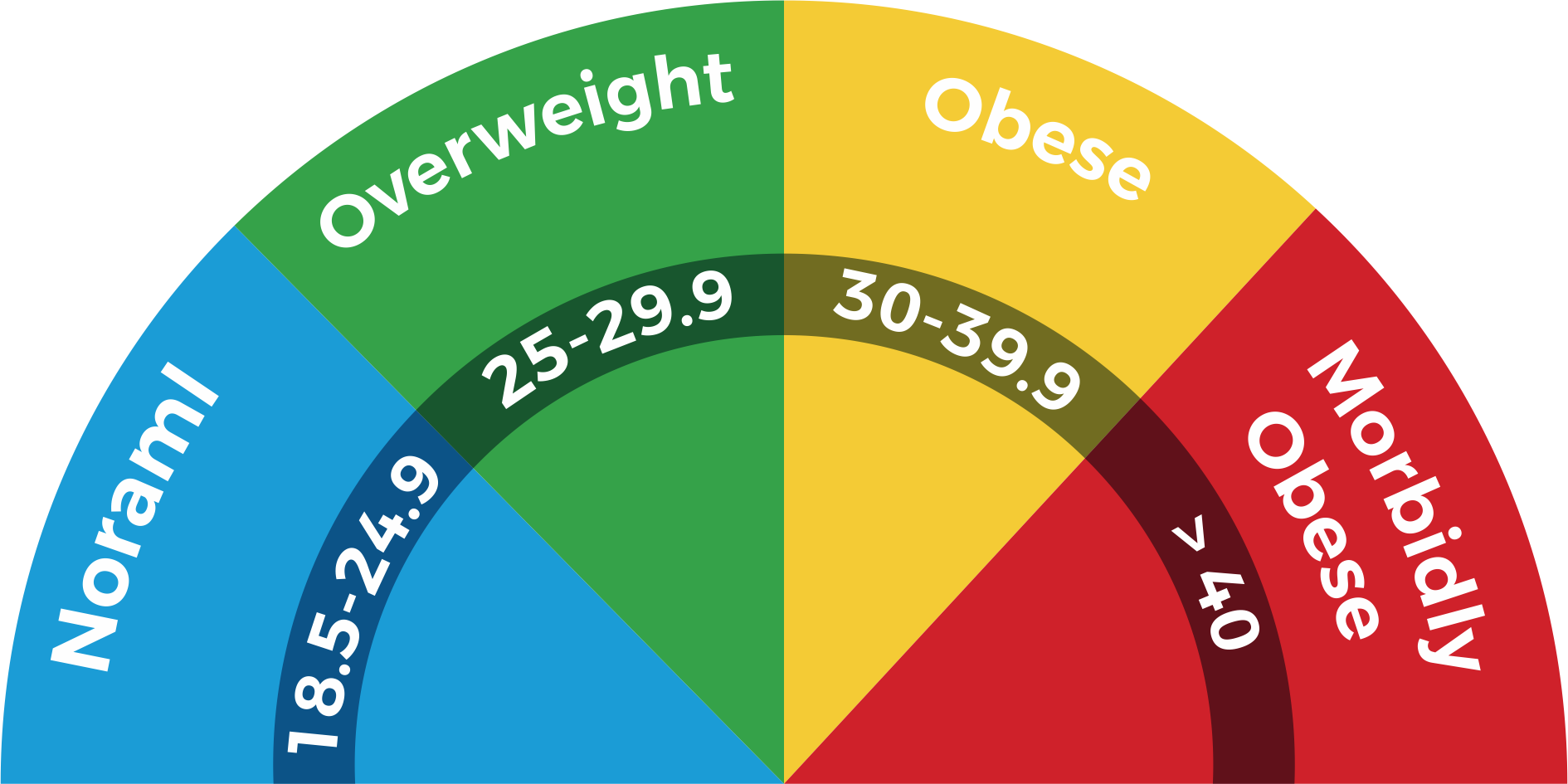
- Severe obesity based on BMI
- Type 2 diabetes associated with obesity
- High blood pressure
- Obstructive sleep apnea
- Fatty liver disease
- Obesity-related joint problems
- Reduced quality of life due to excess weight
Every patient's condition is unique, making a personalized medical evaluation essential before deciding on surgery.
Key Qualities to Look for Before Selecting a Bariatric Surgeon
Choosing a surgeon involves more than finding someone who performs weight loss procedures. Patients should evaluate several important aspects before making a decision.
Specialized Experience in Bariatric Procedures
Weight loss surgery requires advanced surgical training and experience. Surgeons who regularly perform bariatric procedures are generally familiar with different surgical techniques and managing complex obesity-related health conditions.
Thorough Pre-Surgical Evaluation
An experienced bariatric surgeon performs a detailed assessment before recommending surgery. This typically includes:
- Medical history review
- Physical examination
- Nutritional assessment
- Laboratory investigations
- Imaging studies when necessary
- Psychological evaluation if indicated
A comprehensive assessment helps determine whether surgery is appropriate and which procedure may be most suitable.
Personalized Treatment Planning
There is no universal bariatric surgery that fits everyone.
Treatment recommendations depend on factors such as:
- BMI
- Age
- Existing medical conditions
- Previous abdominal surgeries
- Lifestyle habits
- Eating behaviors
- Weight-loss goals
A personalized approach improves both safety and long-term success.
Understanding Different Types of Bariatric Surgery
Patients often benefit from understanding the available surgical options before consultation.
Common bariatric procedures include:
Sleeve Gastrectomy
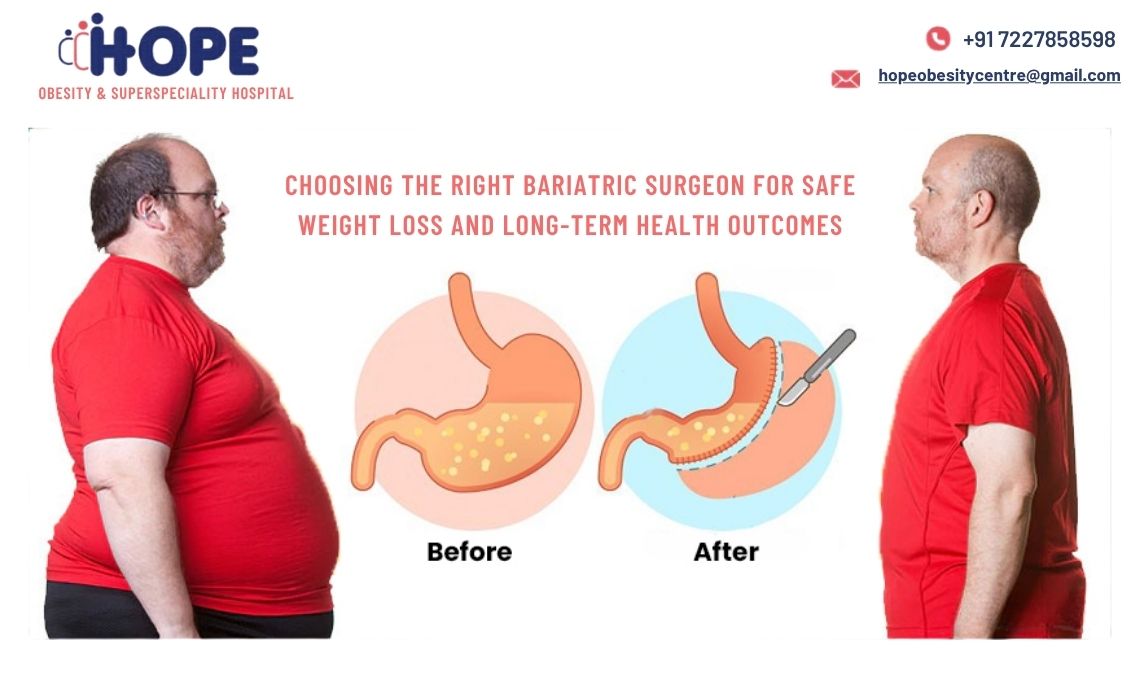
This procedure removes a significant portion of the stomach, reducing its size and influencing hormones involved in hunger regulation.
Gastric Bypass
Gastric bypass changes the digestive pathway by creating a smaller stomach pouch and bypassing part of the small intestine. It helps reduce calorie absorption while limiting food intake.
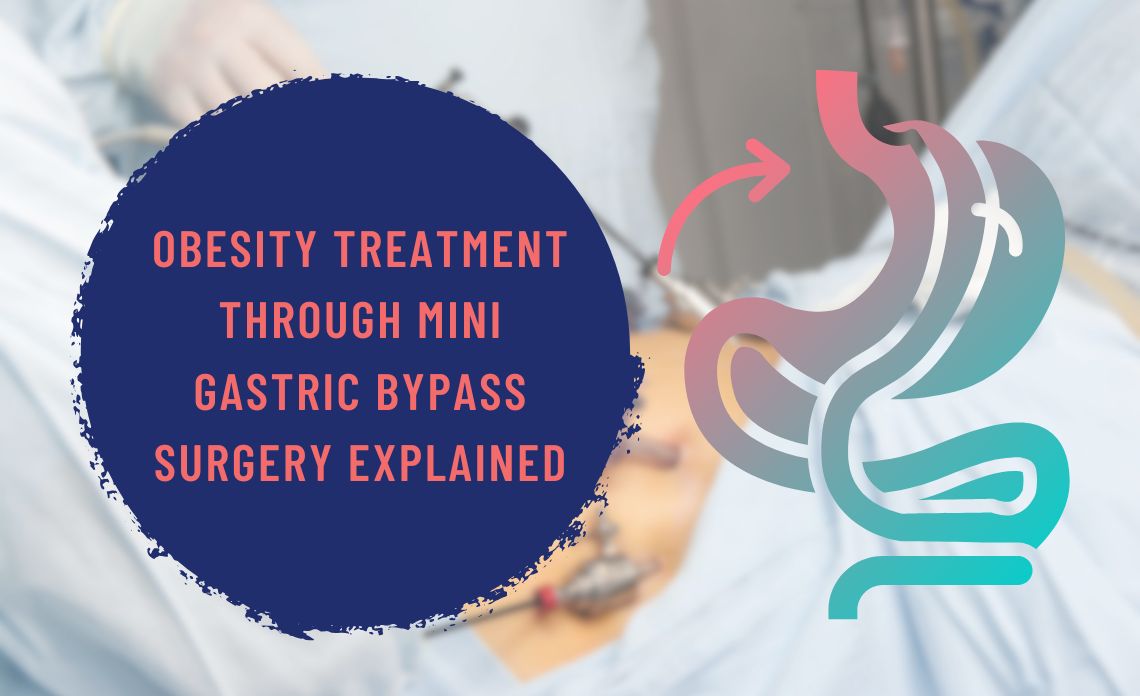
Mini Gastric Bypass
This technique offers an alternative approach with fewer surgical connections while still promoting substantial weight loss for selected patients.
Revisional Bariatric Surgery
Some individuals who have undergone previous bariatric surgery may require revision because of weight regain or complications. An experienced bariatric surgeon evaluates whether revision surgery is appropriate.
Questions Worth Discussing During Your Consultation
Preparing questions before your appointment can help you understand the treatment process more clearly.
Consider asking about:
- Which surgical option best fits your medical condition
- Expected lifestyle changes after surgery
- Potential risks and complications
- Recovery timeline
- Nutritional requirements
- Vitamin supplementation
- Long-term follow-up schedule
- Future pregnancy considerations if applicable
Open communication supports informed decision-making.
Preparing Yourself Before Surgery
Successful bariatric surgery begins well before entering the operating room.
Patients are often advised to:
- Follow a medically supervised diet
- Stop smoking if applicable
- Increase physical activity gradually
- Control diabetes and blood pressure
- Undergo recommended health screenings
- Meet with nutrition professionals
- Learn about post-operative dietary stages
Preparation helps reduce surgical risks and improves recovery.
Life After Bariatric Surgery Requires Long-Term Commitment
Surgery is only one component of obesity treatment.
Long-term success depends on maintaining healthy lifestyle habits, including:
- Eating balanced meals
- Consuming adequate protein
- Drinking sufficient water
- Taking prescribed vitamin supplements
- Exercising regularly
- Attending scheduled follow-up visits
- Monitoring weight changes
Patients who remain actively involved in their long-term care often achieve more sustainable results.
Possible Risks Patients Should Understand
Like any major surgical procedure, bariatric surgery carries potential risks.
These may include:
- Bleeding
- Infection
- Blood clots
- Nutritional deficiencies
- Acid reflux
- Leakage from surgical connections
- Gallstones
- Weight regain if lifestyle recommendations are not followed
Clearing Up Common Misconceptions About Bariatric Surgery
Many myths continue to surround weight loss surgery.
One common misconception is that surgery provides an effortless solution. In reality, successful outcomes require lifelong dietary discipline, physical activity, and regular medical follow-up.
Another misconception is that surgery is suitable for everyone with excess weight. Bariatric procedures are recommended only after careful medical evaluation and when the expected benefits outweigh the potential risks.
Some people also believe that weight loss surgery focuses only on appearance. In practice, its primary goal is to improve obesity-related health conditions, enhance physical function, and support overall well-being.
Choosing the Right Healthcare Partner Matters
Patients considering bariatric surgery should seek healthcare professionals who emphasize education, realistic expectations, shared decision-making, and comprehensive long-term care.
The best bariatric surgeon in Ahmedabad will not simply perform an operation but will carefully assess your medical condition, explain available treatment options, discuss possible risks, and provide ongoing support throughout your weight-loss journey.
Making an Informed Decision for Long-Term Health
Weight loss surgery is a significant medical decision that should always be based on careful evaluation rather than quick promises or unrealistic expectations. Understanding the available procedures, knowing who may benefit from surgery, recognizing the importance of long-term lifestyle changes, and choosing experienced surgical care all contribute to safer outcomes.
If obesity is affecting your health and quality of life, consulting the best bariatric surgeon in Ahmedabad can help you understand whether bariatric surgery is an appropriate treatment option and what steps are involved in achieving sustainable, long-term health improvements.
Recent Posts

.jpg)
.jpg)
.jpg)








.jpg)

.jpg)