Obesity Treatment Through Mini Gastric Bypass Surgery Explained
Obesity Treatment Through Mini Gastric Bypass Surgery Explained
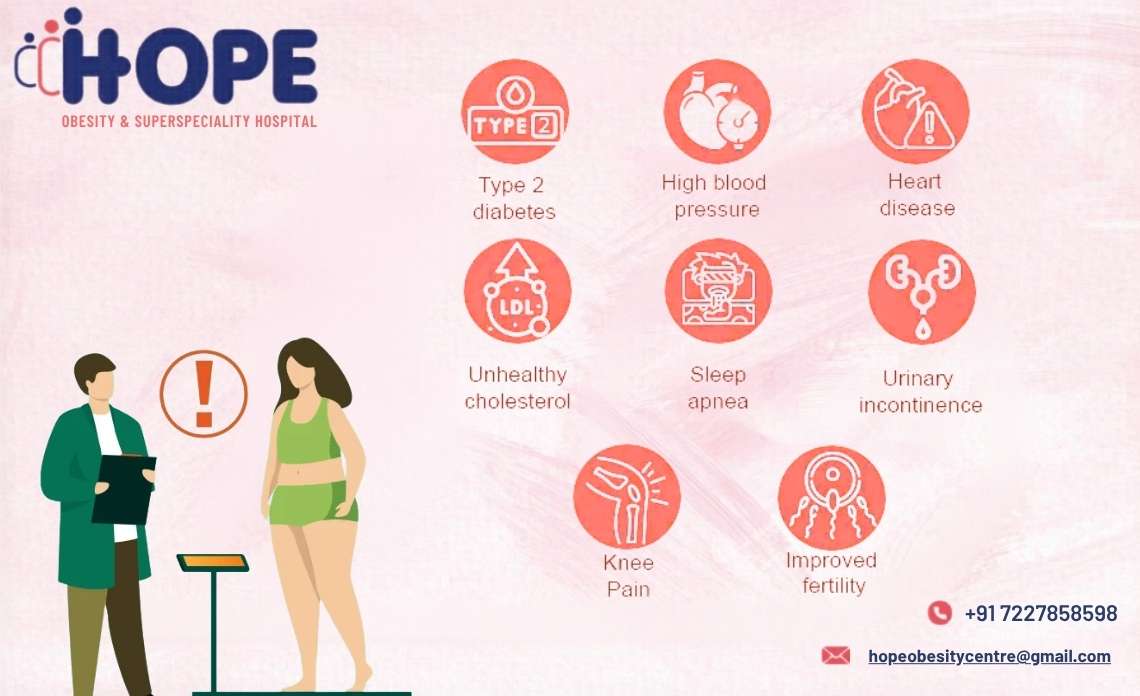
Obesity has become one of the most common health concerns in modern lifestyles. It is not only related to excess body weight but also increases the risk of serious medical conditions such as diabetes, high blood pressure, heart disease, and sleep disorders. These complications can gradually affect overall health, reduce mobility, and impact daily life.
Although diet control and physical activity are essential for maintaining health, they may not always provide long-term results in severe cases. When conventional methods fail, medical intervention becomes necessary. Many individuals now consider mini gastric bypass surgery in Ahmedabad as an effective solution for structured and sustainable weight loss.
Clinical Concept Behind Mini Gastric Bypass
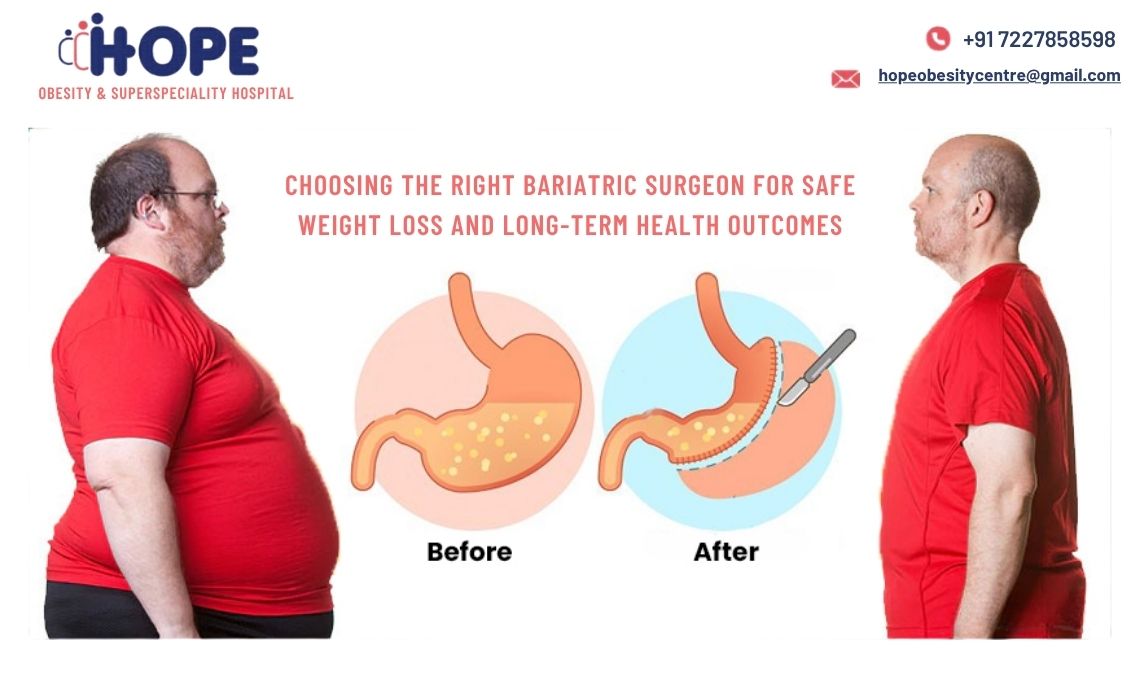
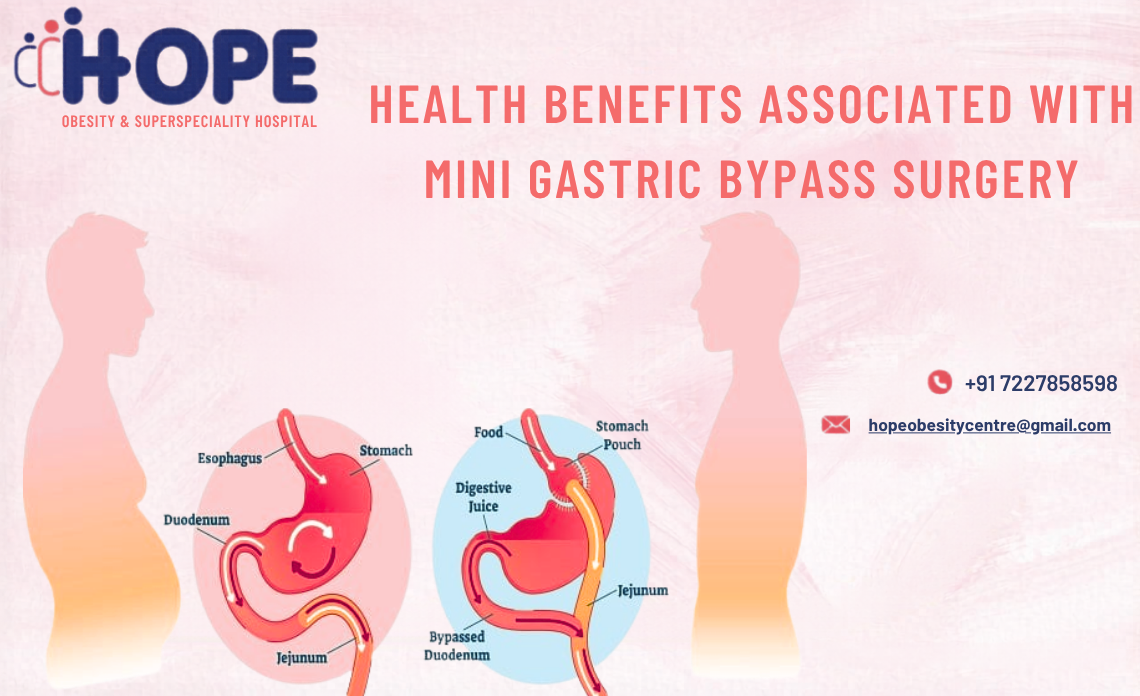
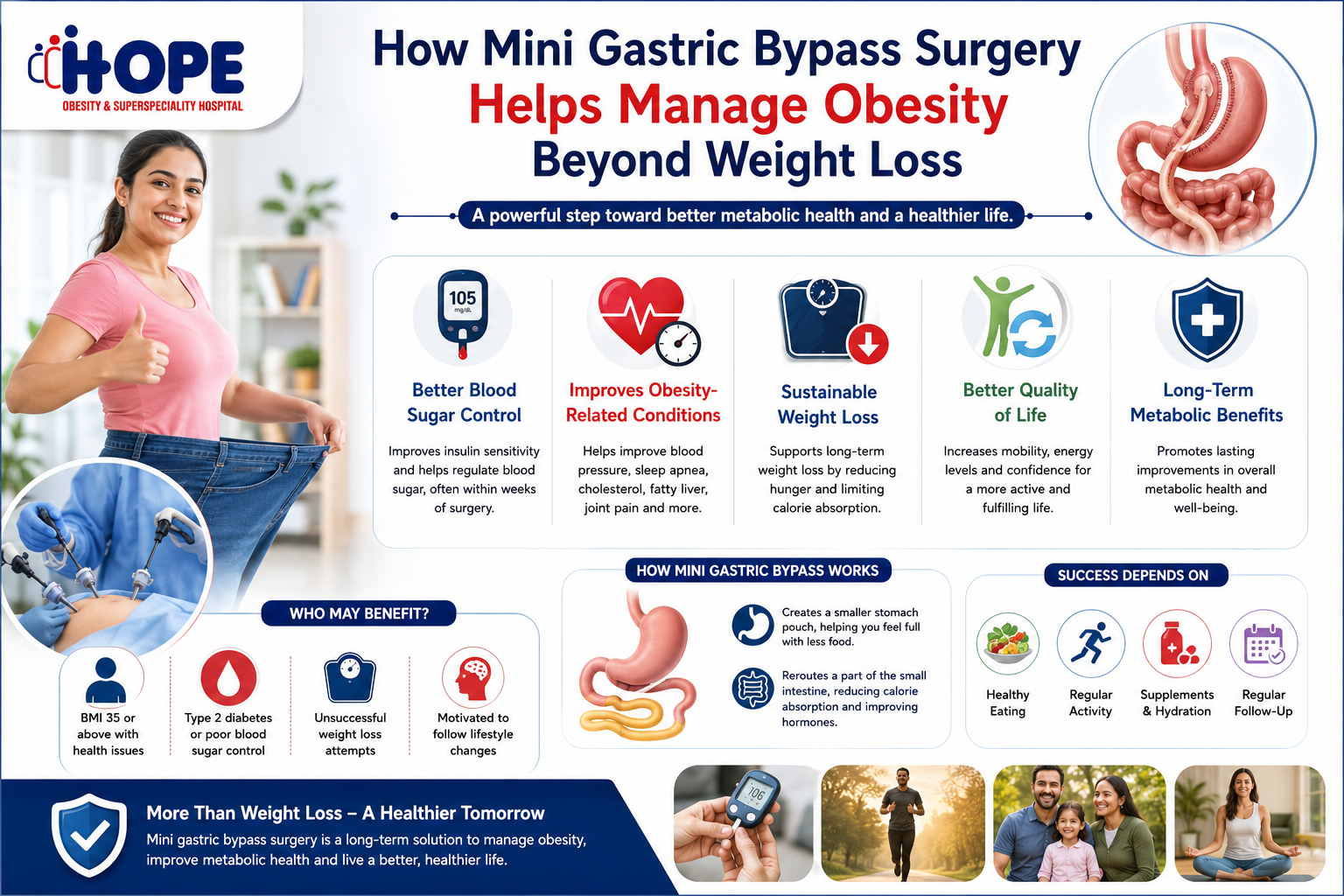
Mini gastric bypass surgery is a modern bariatric procedure designed to help patients achieve controlled and long-term weight reduction. The surgery involves creating a small stomach pouch and connecting it directly to a portion of the small intestine.
This modification limits food intake and reduces calorie absorption, resulting in gradual weight loss. In addition to physical changes, the procedure also influences hormones responsible for hunger, helping patients feel full sooner and maintain better control over their eating habits.
At Hope Obesity Centre, this procedure is performed using advanced laparoscopic techniques, ensuring precision and patient safety.
How the Procedure Supports Weight Loss
Mini gastric bypass surgery works through a combination of restrictive and metabolic mechanisms. The reduced stomach size limits the quantity of food consumed, while changes in digestion help decrease calorie absorption.
These adjustments lead to improved metabolic function and better regulation of blood sugar levels. Over time, patients experience steady weight loss along with improvement in obesity-related health conditions.
Surgical Technique and Approach
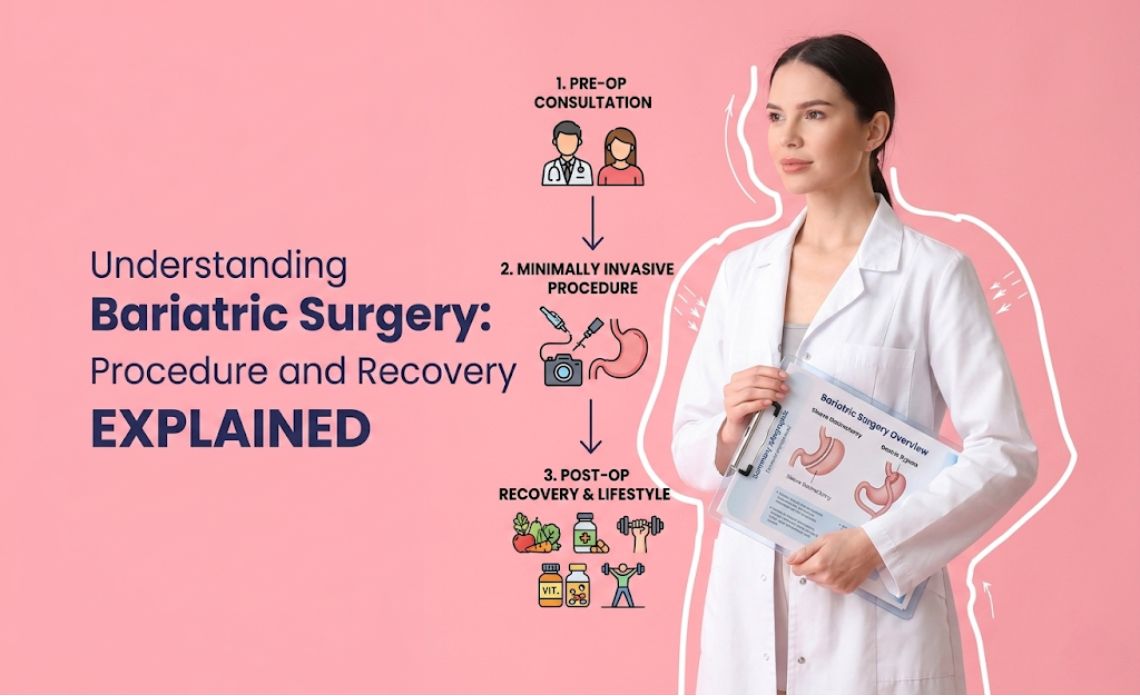
The procedure follows a minimally invasive approach, which allows for better precision and faster recovery. Small incisions are made through which surgical instruments and a camera are inserted.
The surgeon creates a smaller stomach pouch and reroutes a portion of the intestine to this pouch. This reduces the amount of food intake and alters digestion in a controlled manner.
The use of laparoscopic techniques minimizes tissue damage, reduces discomfort, and supports quicker healing compared to traditional surgery.
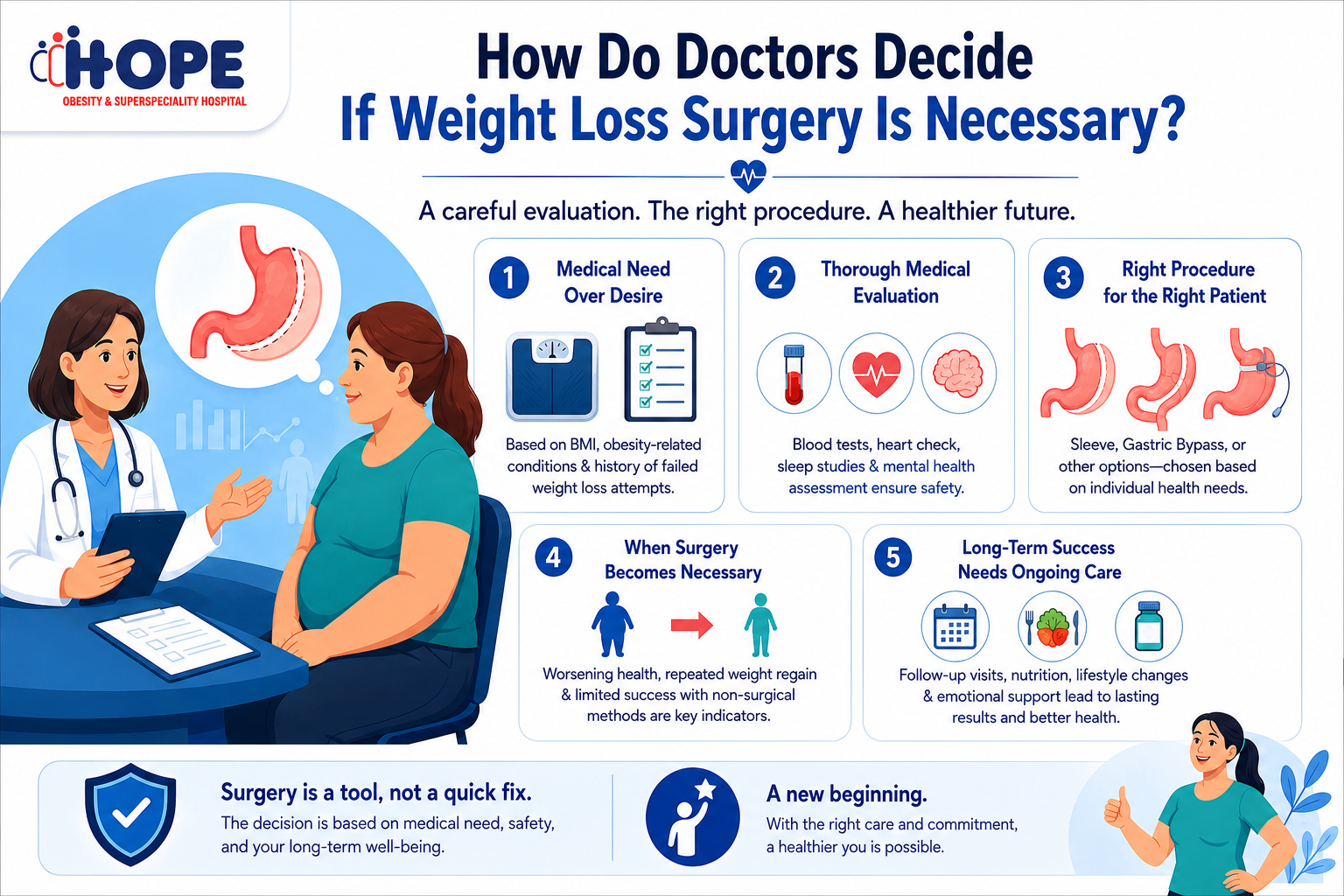
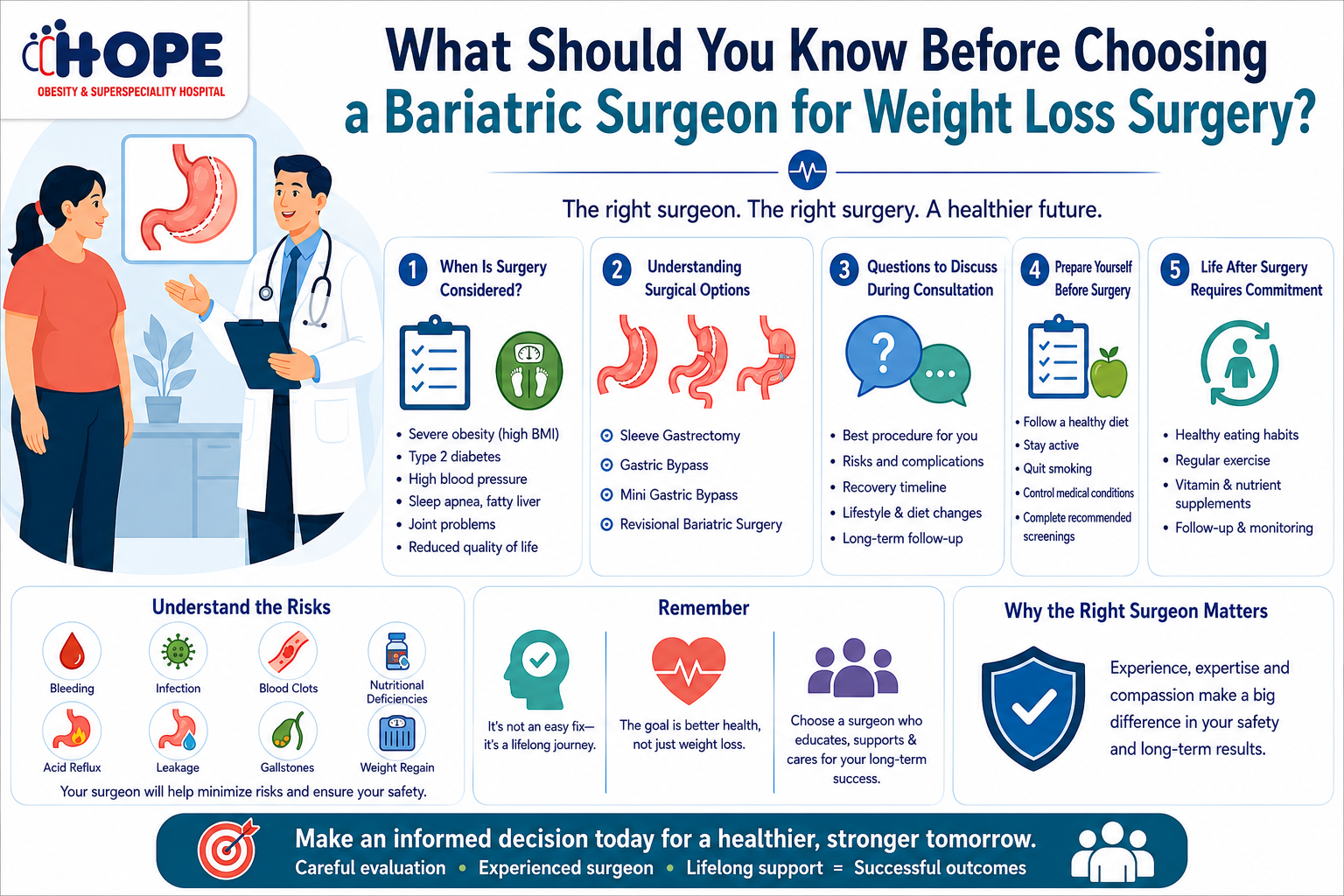
Patient Selection and Eligibility Criteria
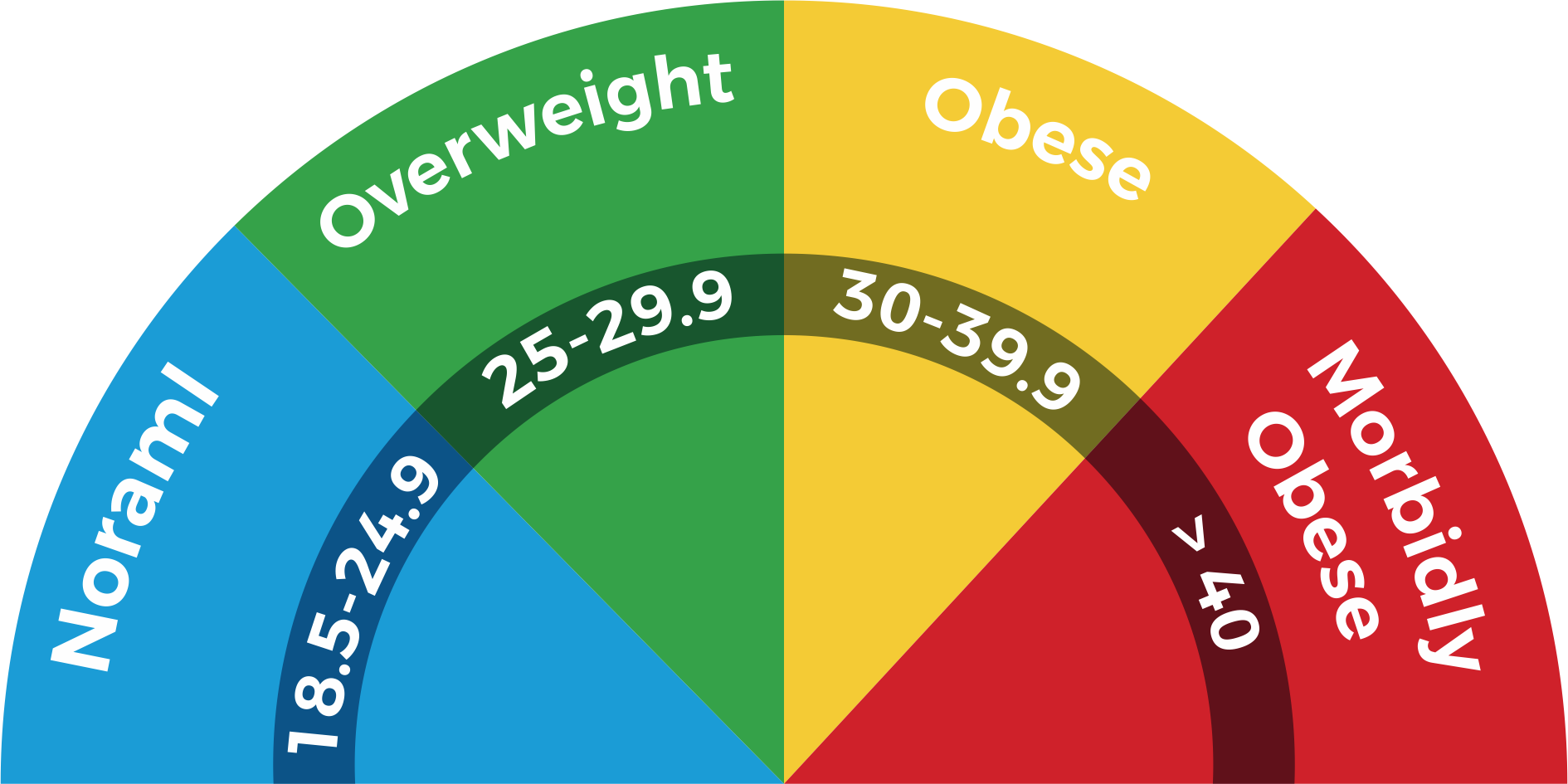
- Individuals with high BMI levels
- Those suffering from obesity-related health conditions
- Patients who have not achieved results through diet and exercise
Stepwise Treatment Process
The mini gastric bypass journey involves several stages to ensure effective outcomes and patient safety. The process begins with a comprehensive medical evaluation, followed by pre-surgical preparation. Surgery is performed under general anesthesia using minimally invasive techniques, and patients are closely monitored post-procedure.
Health Benefits Beyond Weight Reduction
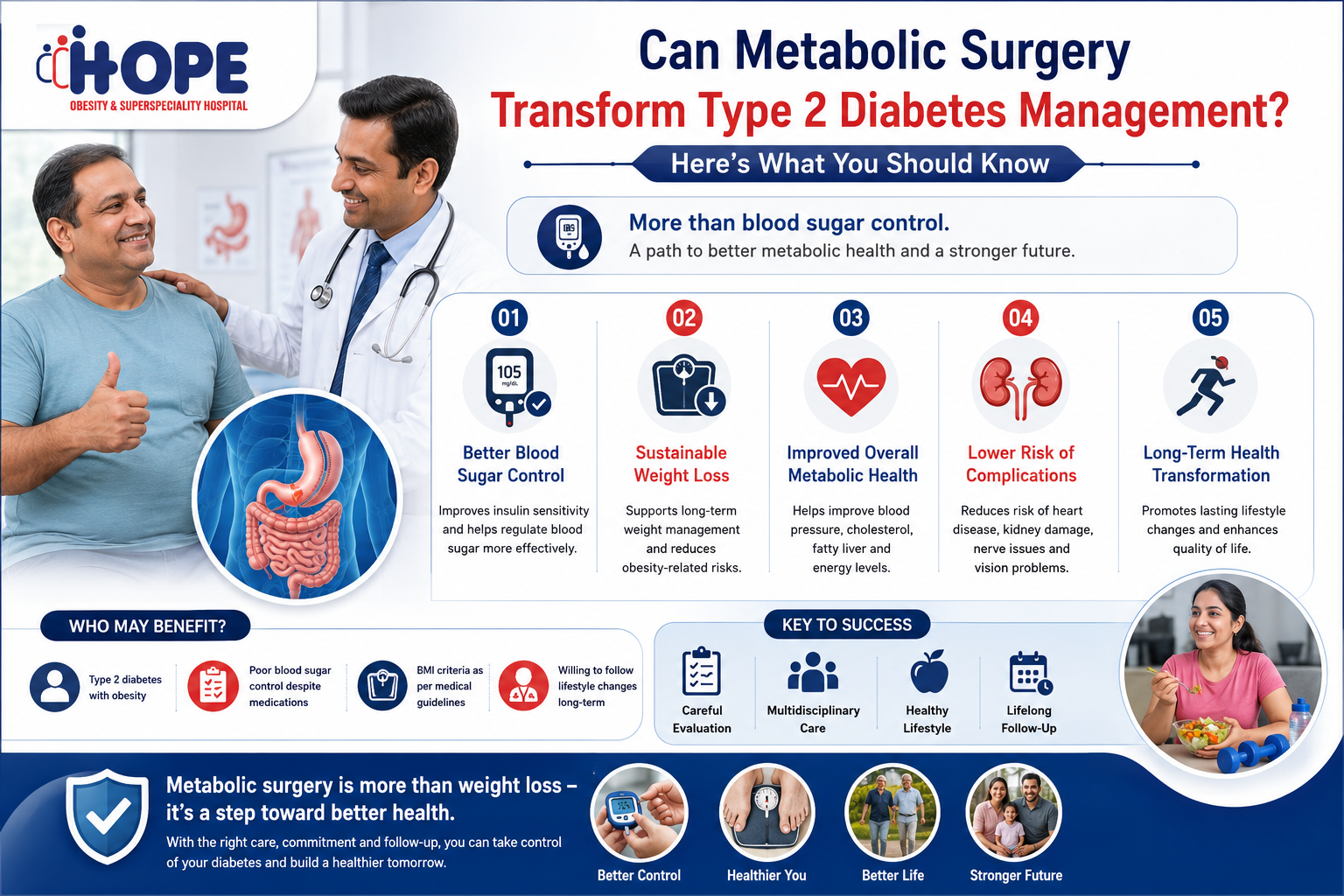
Mini gastric bypass surgery offers multiple health benefits in addition to weight loss. Patients may experience better blood sugar control, improvement in blood pressure, increased mobility, and reduced strain on joints. Many individuals also report improved energy levels and overall quality of life.
Recovery Timeline and Post-Surgery Care
Recovery is generally smooth and faster due to the minimally invasive approach. Most patients begin to recover within a few weeks under proper medical guidance, with a gradual transition from liquid to solid food and monitored physical activity.
Long-Term Lifestyle Adjustments
Sustaining results requires consistent lifestyle changes. Patients should follow a balanced diet, control portion sizes, engage in regular physical activity, avoid high-calorie foods, and maintain routine medical check-ups.
Continuous Monitoring and Medical Support
Ongoing medical supervision, nutritional counselling, lifestyle guidance, and follow-ups ensure long-term success and help avoid complications.
Risk Awareness and Safety Measures
Mini gastric bypass surgery is considered safe when performed by experienced professionals. Temporary digestive discomfort, nutritional deficiencies, or adaptation challenges may occur but are manageable with proper care and monitoring.
Frequently Asked Questions
1. What is mini gastric bypass surgery?
A weight loss procedure that reduces stomach size and alters digestion to support controlled weight loss.
2. Who is eligible for this surgery?
Individuals with high BMI and obesity-related conditions who have not achieved results through traditional methods may be eligible.
3. Is the procedure safe?
Yes, it is considered safe when performed using modern techniques by experienced specialists.
4. How long does recovery take?
Most patients recover within a few weeks depending on their health condition.
5. Are lifestyle changes required after surgery?
Yes, maintaining healthy habits is essential for long-term weight management and overall health.
Recent Posts

.jpg)
.jpg)
.jpg)








.jpg)

.jpg)