Minimally Invasive Bariatric Procedures for Safe Weight Loss and Faster Recovery
Minimally Invasive Bariatric Procedures for Safe Weight Loss and Faster Recovery
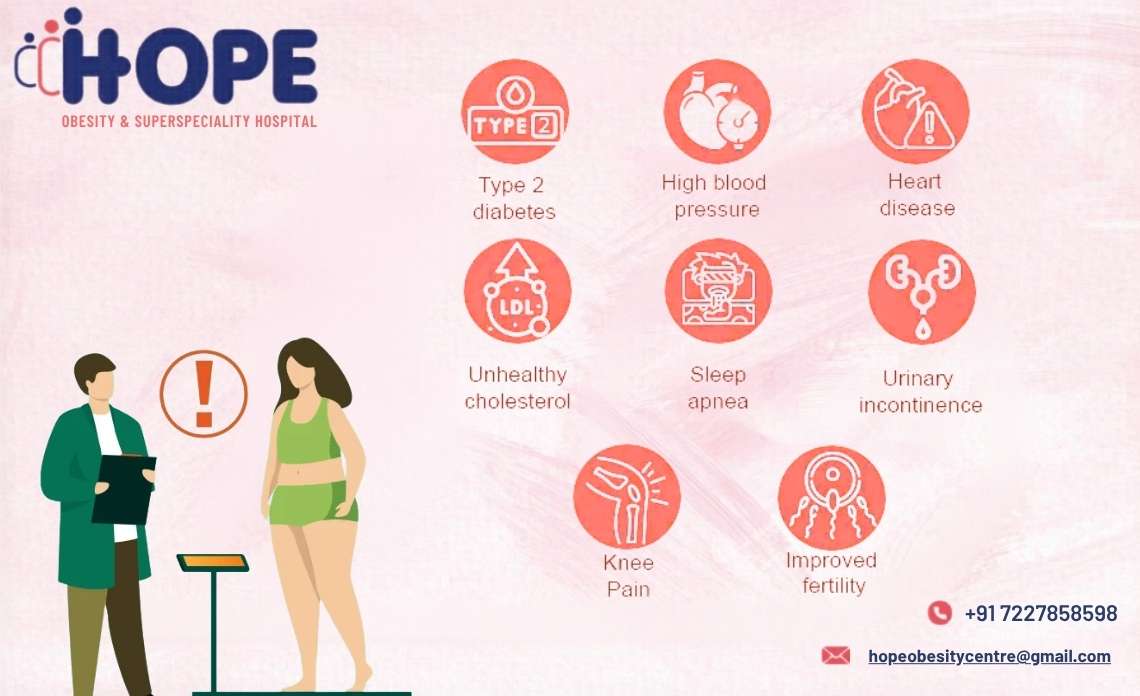
Obesity has become a widespread health concern affecting individuals across all age groups. It is closely associated with conditions such as diabetes, high blood pressure, heart disease, and reduced physical mobility. These issues can gradually impact overall health and make everyday activities more challenging.
While diet and exercise are essential for maintaining a healthy lifestyle, they may not always deliver long-term results, especially in severe cases. This has led to an increased demand for medical solutions that are both effective and safe. Many individuals now opt for minimally invasive weight loss surgery in Ahmedabad as a reliable option for structured and long-term weight management.
What Defines a Minimally Invasive Approach
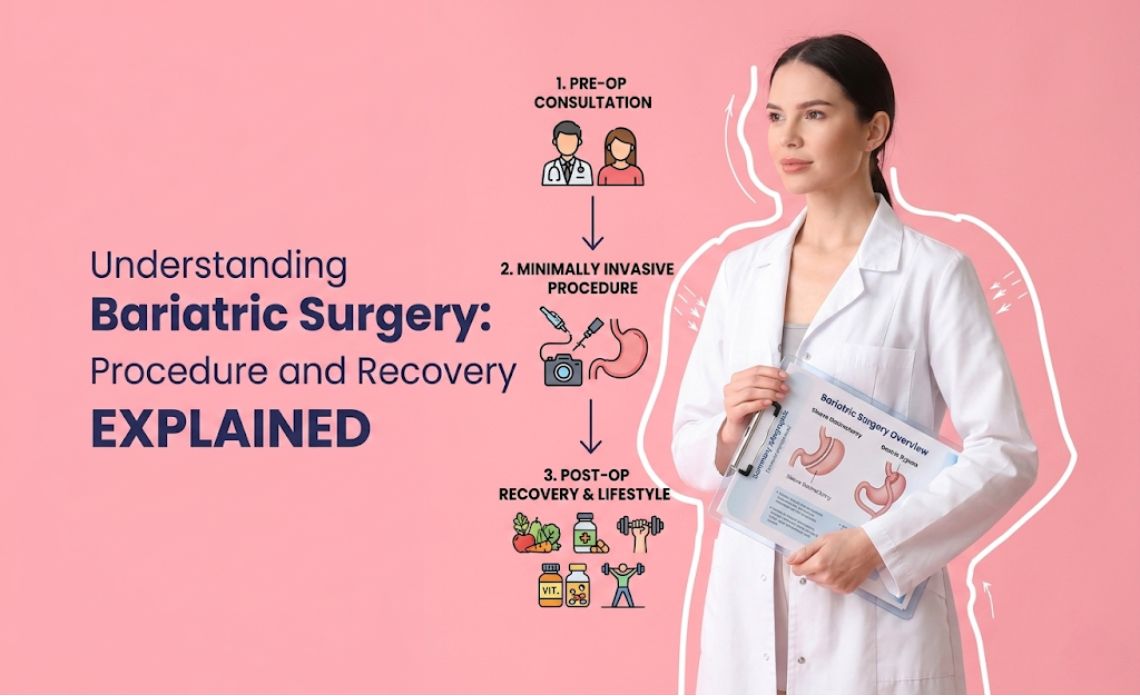
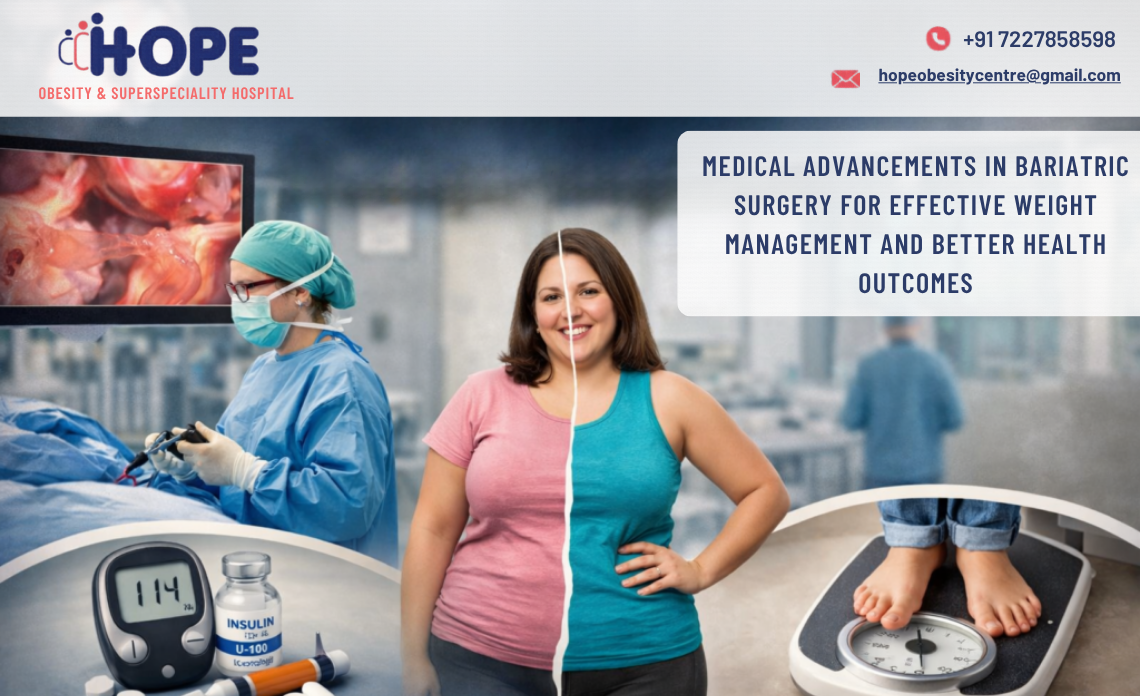
Minimally invasive weight loss surgery refers to advanced surgical techniques performed using small incisions instead of large open cuts. These procedures are typically carried out using laparoscopic methods, where a small camera and specialized instruments are used to perform the surgery with high precision.
This approach reduces tissue damage and allows for better visualization of internal structures. As a result, patients experience less pain, minimal scarring, and a smoother recovery process compared to traditional surgical methods.
How These Procedures Support Weight Reduction
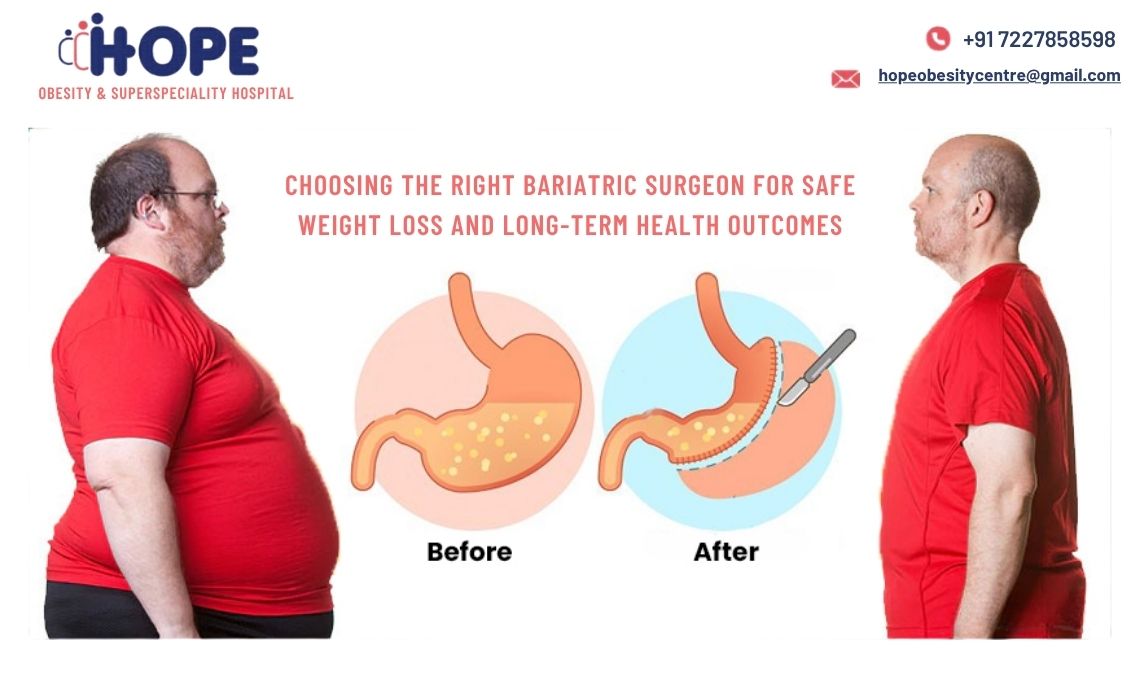
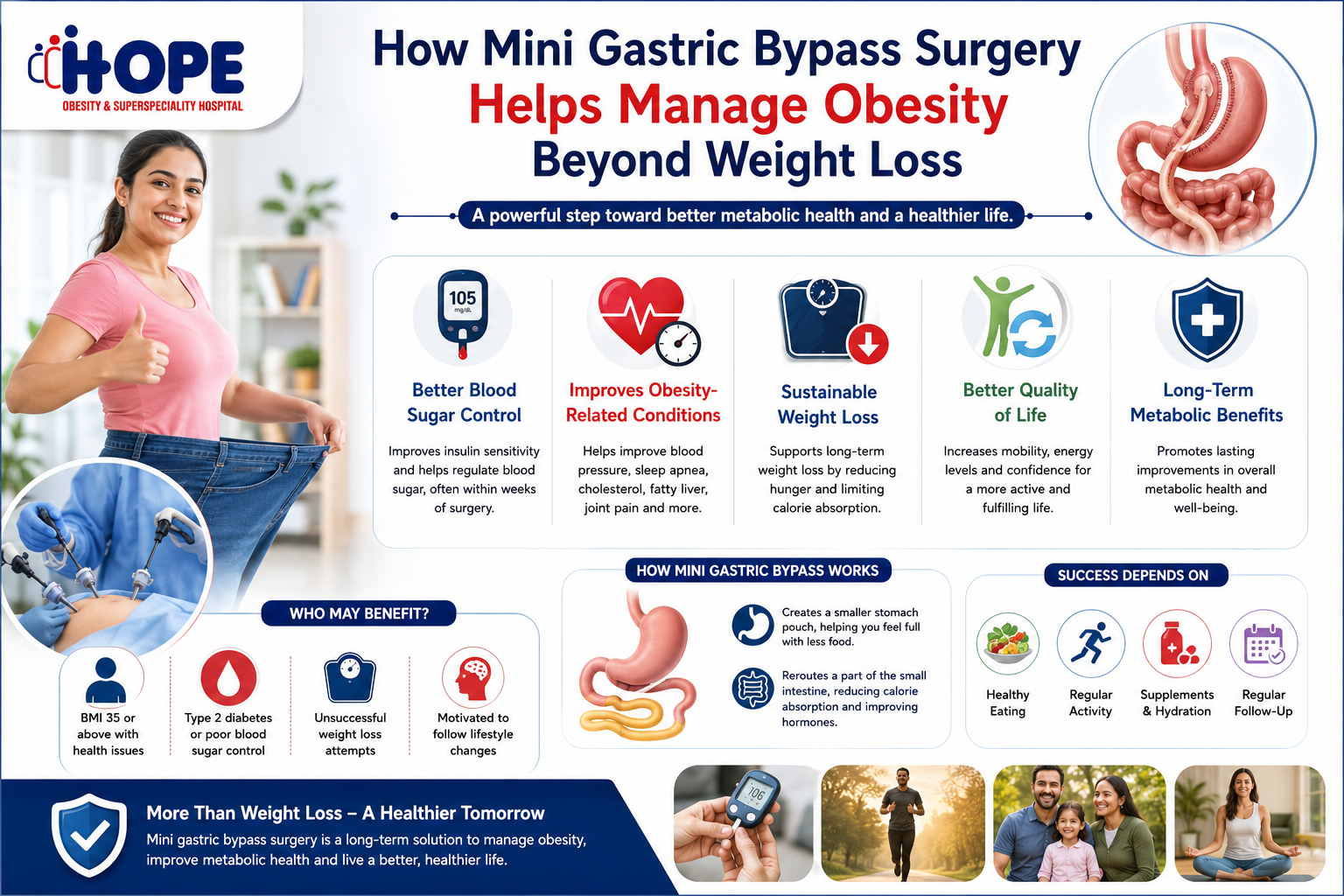
Minimally invasive bariatric procedures work by modifying the digestive system to control food intake and improve metabolic function. Depending on the type of surgery, the procedure may reduce stomach size, alter digestion, or combine both effects.
By limiting the amount of food consumed and improving how the body processes nutrients, these procedures support gradual and sustainable weight loss. Hormonal changes after surgery also help reduce hunger and improve satiety, making it easier for patients to maintain healthy eating habits.
Common Types of Minimally Invasive Weight Loss Procedures
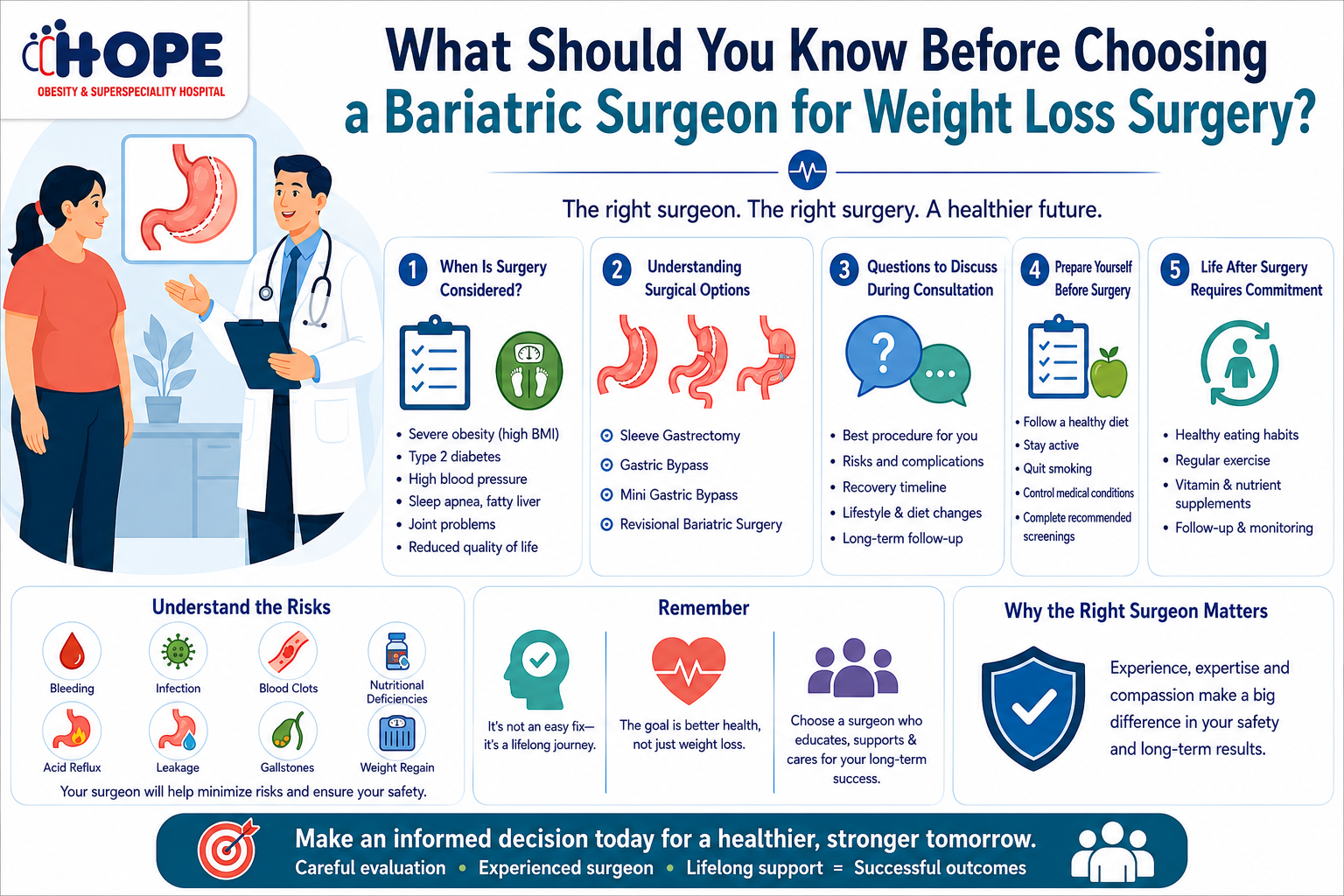
Several bariatric procedures are performed using minimally invasive techniques, each designed to meet specific patient needs.
- Gastric Sleeve Surgery: Reduces the size of the stomach to limit food intake.
- Gastric Bypass Surgery: Alters the digestive pathway to reduce calorie absorption.
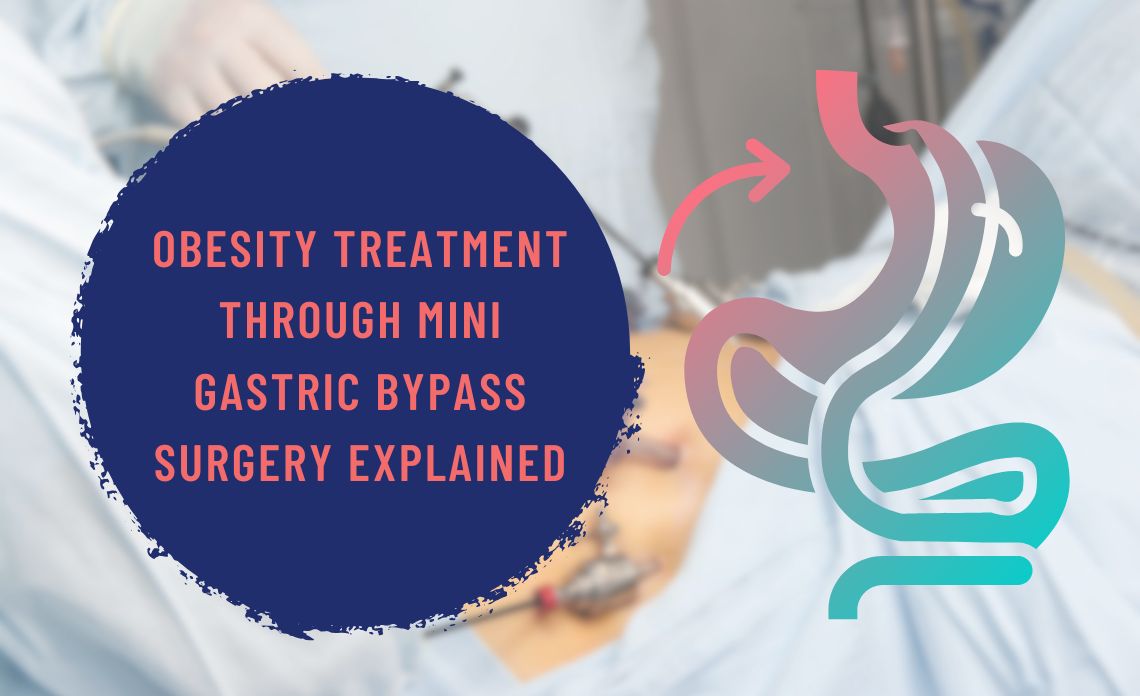
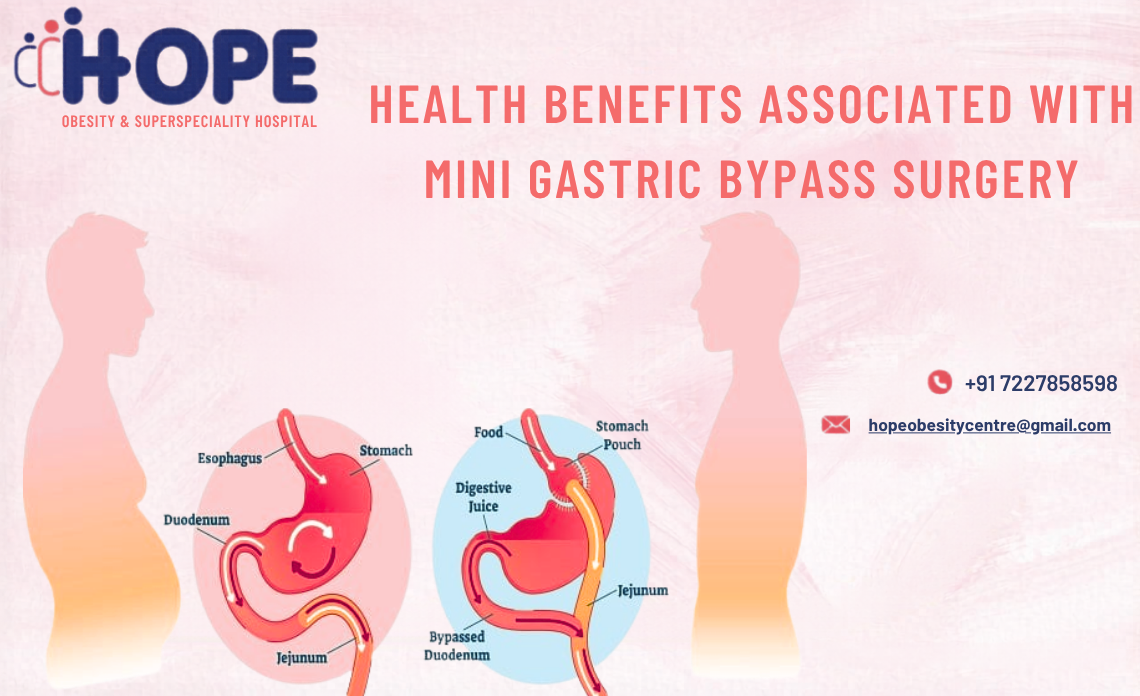
- Mini Gastric Bypass: Combines restriction and metabolic benefits for effective results.
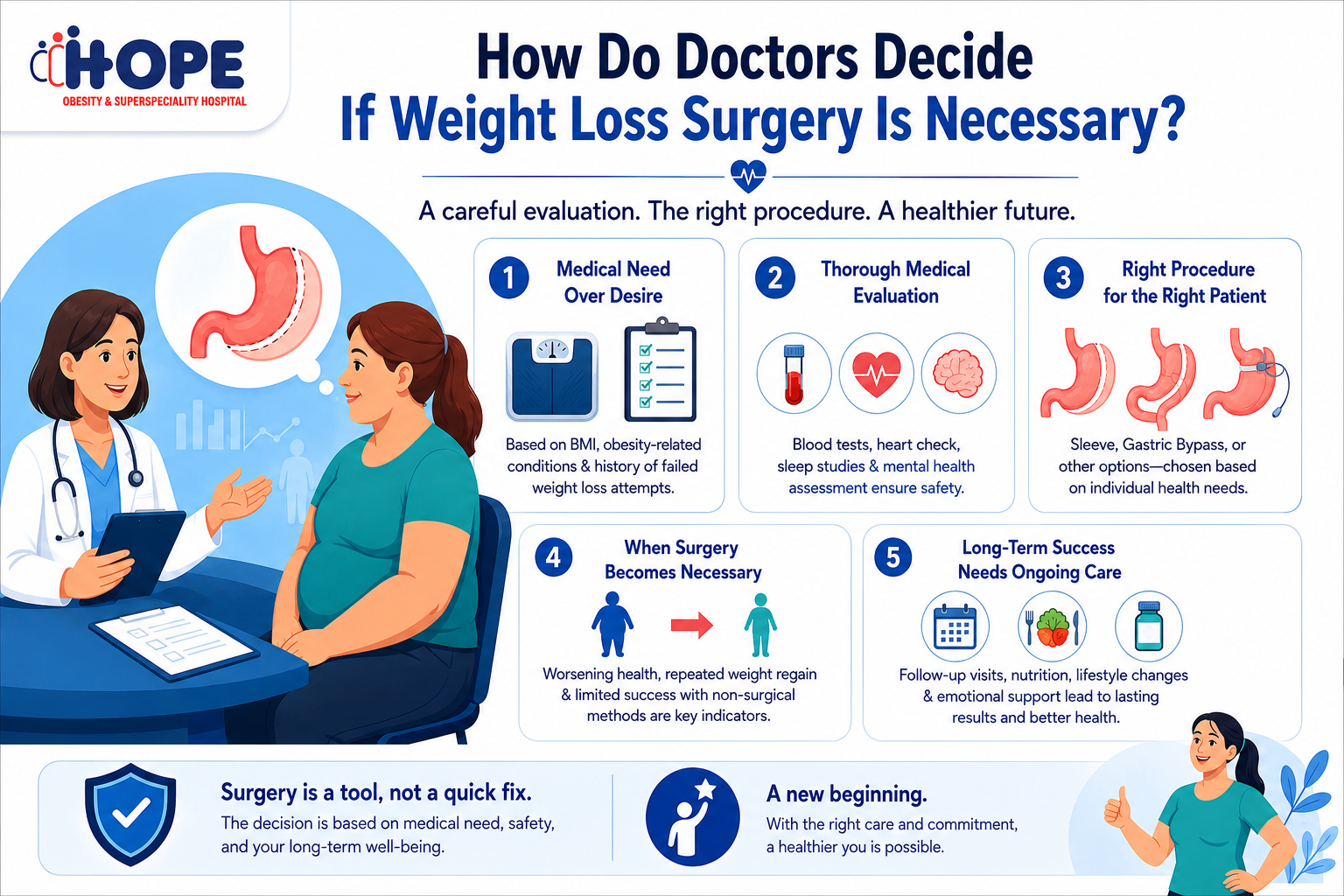
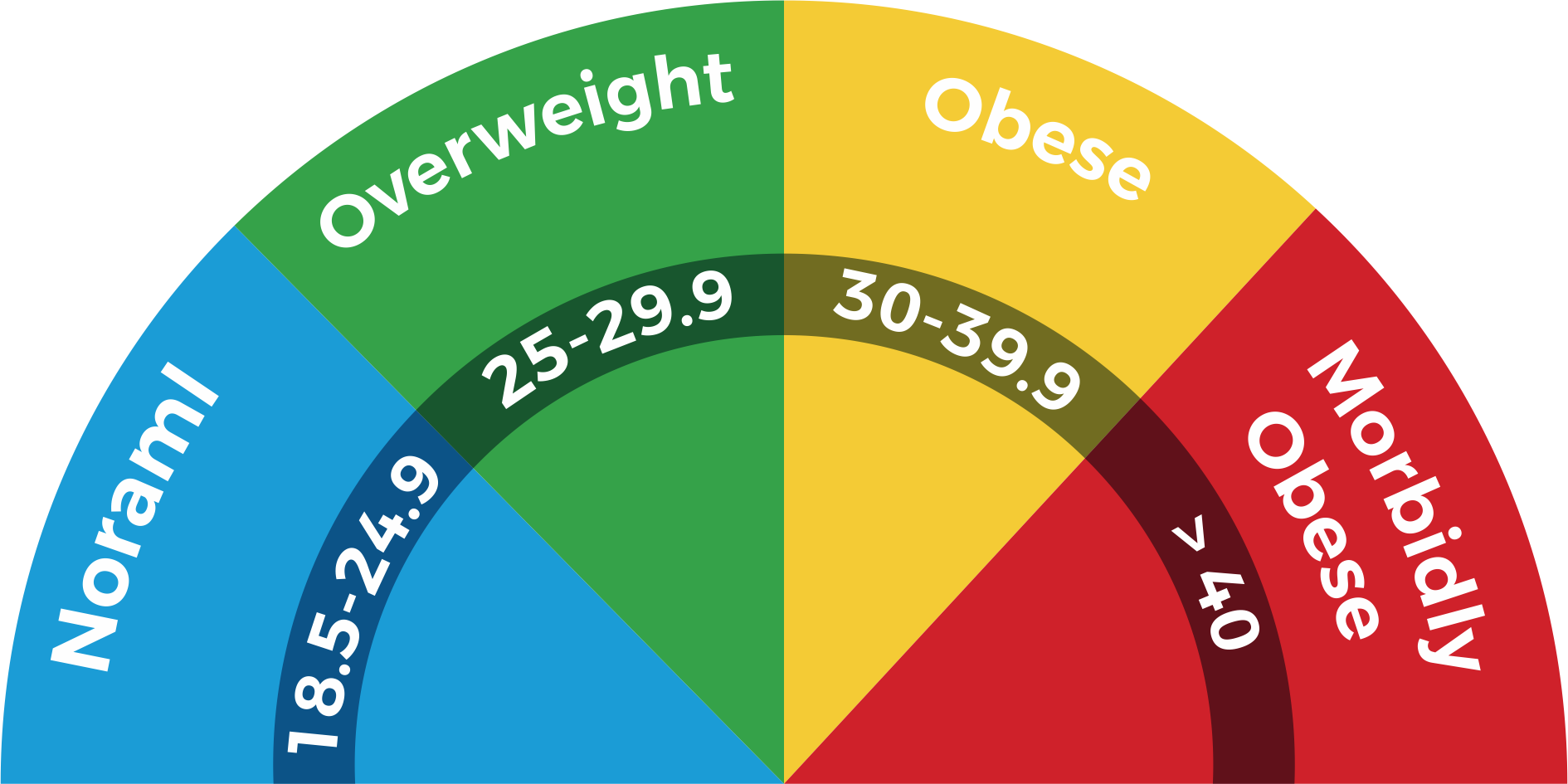
Each procedure is selected based on the patient’s medical condition, BMI, and treatment goals to ensure safe and effective outcomes.
Who May Be Suitable for This Treatment
- Individuals with high BMI levels
- Those experiencing obesity-related health conditions
- Patients who have not achieved results through diet and exercise
This assessment ensures that the treatment is appropriate and beneficial for the patient.
Benefits of Minimally Invasive Techniques
Minimally invasive procedures offer several advantages over traditional surgical methods. Patients experience less post-operative pain, smaller scars, and reduced risk of complications. Hospital stays are usually shorter, and recovery time is significantly faster. In addition, the precision of laparoscopic techniques improves surgical accuracy and overall results.
For individuals seeking effective and safe treatment, minimally invasive weight loss surgery in Ahmedabad provides a reliable option with multiple benefits.
Recovery and Healing Process
Recovery after minimally invasive weight loss surgery is generally smooth and quicker compared to conventional methods. Most patients begin to resume normal activities within a few weeks.
The recovery process includes a short hospital stay followed by a gradual transition from liquid to solid food. Regular follow-up visits are essential to monitor progress and ensure proper healing.
Patients are also encouraged to gradually increase physical activity as their strength improves, which helps in faster recovery.
Long-Term Lifestyle Management
Surgery provides a strong foundation for weight loss, but long-term success depends on maintaining healthy lifestyle habits. Patients need to adopt a disciplined approach to diet and physical activity.
Following a balanced diet, practicing portion control, and avoiding high-calorie foods are essential steps. Regular exercise and routine medical check-ups also play an important role in maintaining results.
These lifestyle changes help sustain weight loss and improve overall health over time.
Ongoing Medical Support and Monitoring
Continuous medical support is important for tracking progress and maintaining results after surgery. Regular follow-ups allow healthcare providers to monitor health parameters and make necessary adjustments.
Support includes nutritional counselling, lifestyle guidance, and recovery monitoring. This ensures that patients stay on the right path and achieve long-term success.
Many individuals choose minimally invasive weight loss surgery in Ahmedabad because of the structured care and consistent support provided throughout the treatment journey.
Safety and Risk Considerations
Minimally invasive weight loss surgery is considered safe when performed using advanced techniques and under expert supervision. However, like any medical procedure, it may involve certain risks.
Some patients may experience temporary discomfort, digestive changes, or nutritional deficiencies. These risks can be effectively managed with proper medical care and adherence to post-surgery guidelines.
At Hope Obesity Centre, patient safety is a priority, with careful planning and continuous monitoring ensuring reliable outcomes.
Frequently Asked Questions
1. What is minimally invasive weight loss surgery?
It is a surgical procedure performed using small incisions and advanced techniques to support weight loss with faster recovery.
2. Who is eligible for this treatment?
Individuals with high BMI or obesity-related conditions who have not achieved results through traditional methods may be eligible.
3. Is the procedure safe?
Yes, it is safe when performed by experienced specialists using modern techniques.
4. How long does recovery take?
Most patients recover within a few weeks, depending on their health condition.
5. Are lifestyle changes necessary after surgery?
Yes, maintaining healthy habits is essential for long-term success.
Recent Posts

.jpg)
.jpg)
.jpg)








.jpg)

.jpg)