Weight Loss Surgery: A Modern Solution for Obesity Management
Weight Loss Surgery: A Modern Solution for Obesity Management
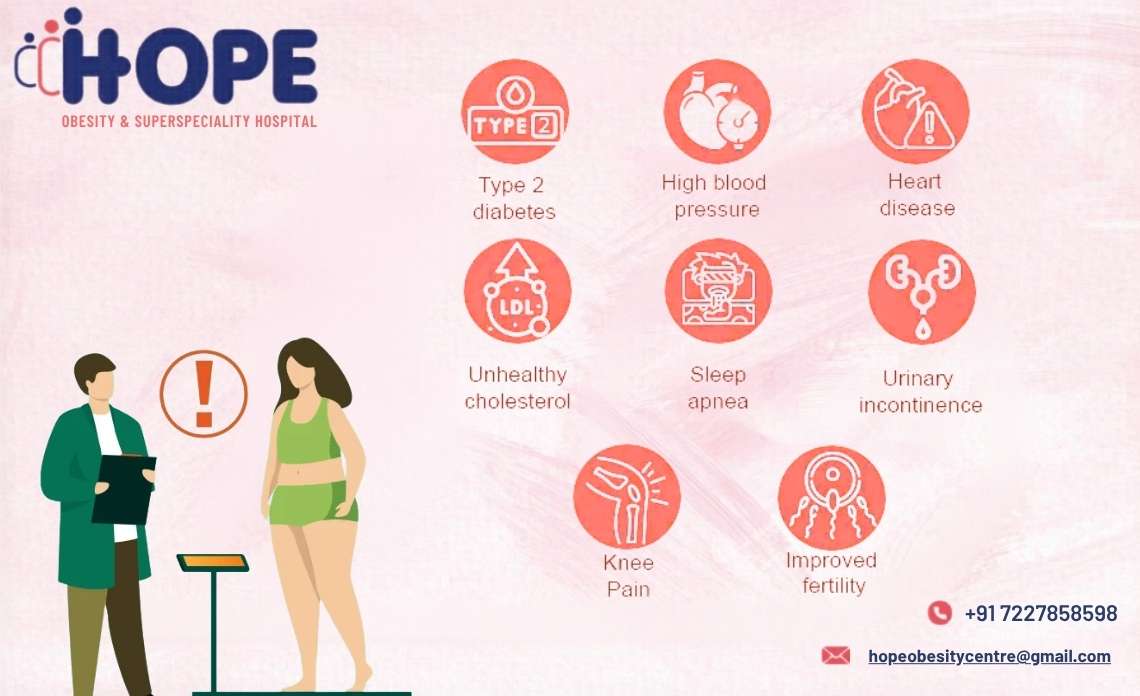
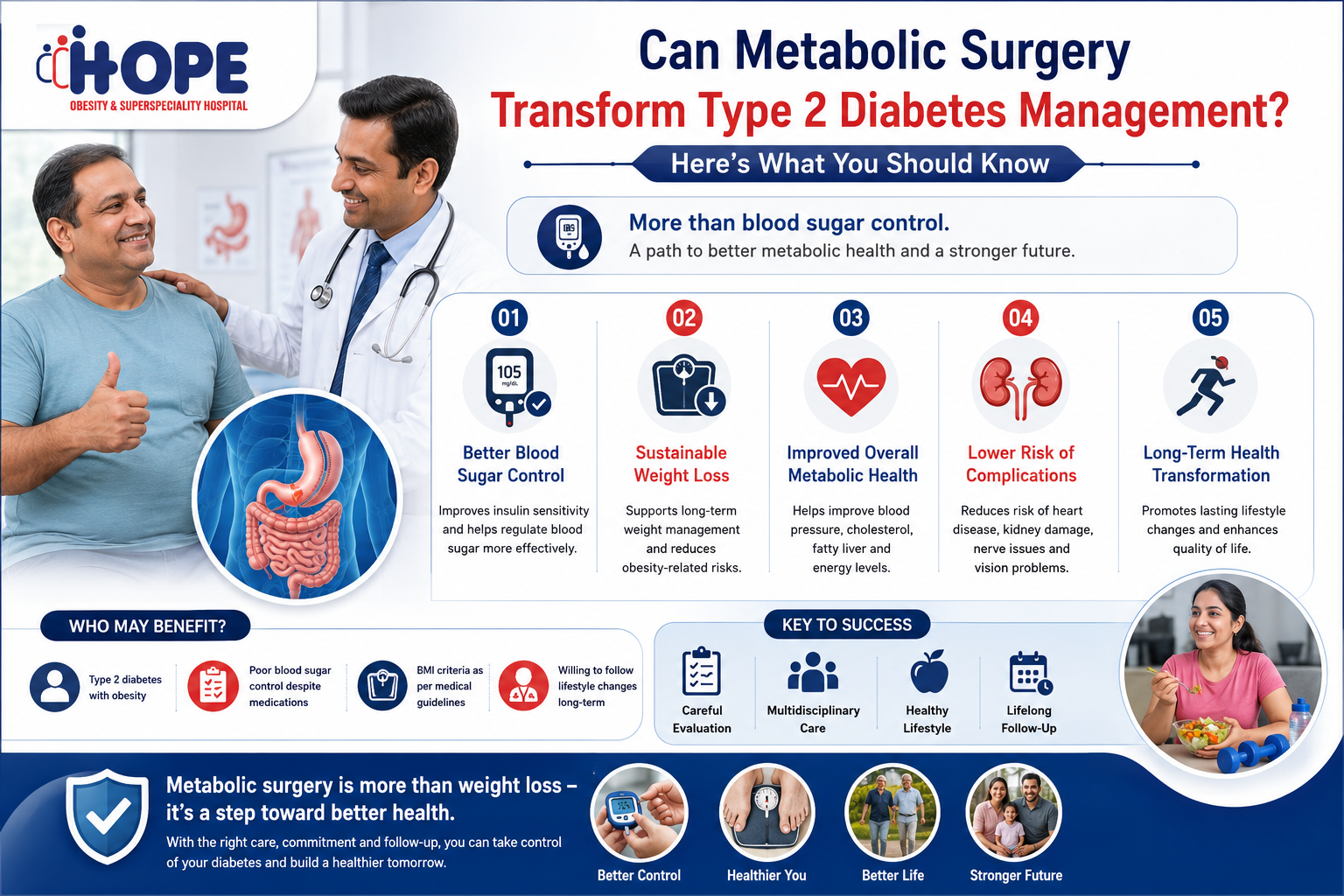
Obesity has emerged as one of the most challenging health concerns worldwide. It is no longer viewed solely as a matter of appearance but as a medical condition that can affect multiple systems within the body. Excess body weight is commonly associated with diabetes, hypertension, sleep apnea, heart disease, fatty liver disease, and joint-related disorders.
Many individuals exploring effective obesity treatment options choose weight loss surgery in Ahmedabad because it offers a structured medical approach focused on sustainable weight reduction and long-term health improvement.
The Growing Need for Advanced Obesity Care
As obesity progresses, it can reduce mobility, limit physical activity, and negatively impact overall quality of life. While healthy eating habits and regular exercise remain important components of weight management, some individuals struggle to achieve lasting results through conventional methods alone. Advanced medical treatments provide additional support for sustainable weight reduction and improved health outcomes.
Why Excess Weight Affects More Than Physical Appearance
Excess body weight places additional stress on nearly every organ system in the body. The cardiovascular system works harder, joints experience increased pressure, and metabolic functions may become less efficient over time.
- Elevated blood sugar levels
- Increased blood pressure
- Breathing difficulties during sleep
- Reduced physical stamina
- Joint discomfort and mobility issues
- Increased risk of chronic diseases
Scientific Principles Behind Surgical Weight Management
Weight loss surgery works by modifying the digestive system to help patients consume fewer calories and develop healthier eating habits. Depending on the procedure performed, surgery may reduce stomach size, influence nutrient absorption, or alter hormones that regulate hunger and satiety.
These physiological changes help patients feel satisfied with smaller meal portions while supporting gradual and sustainable weight reduction. The goal is not only to decrease body weight but also to improve overall metabolic health.
Key Indicators That Suggest Medical Intervention May Be Needed
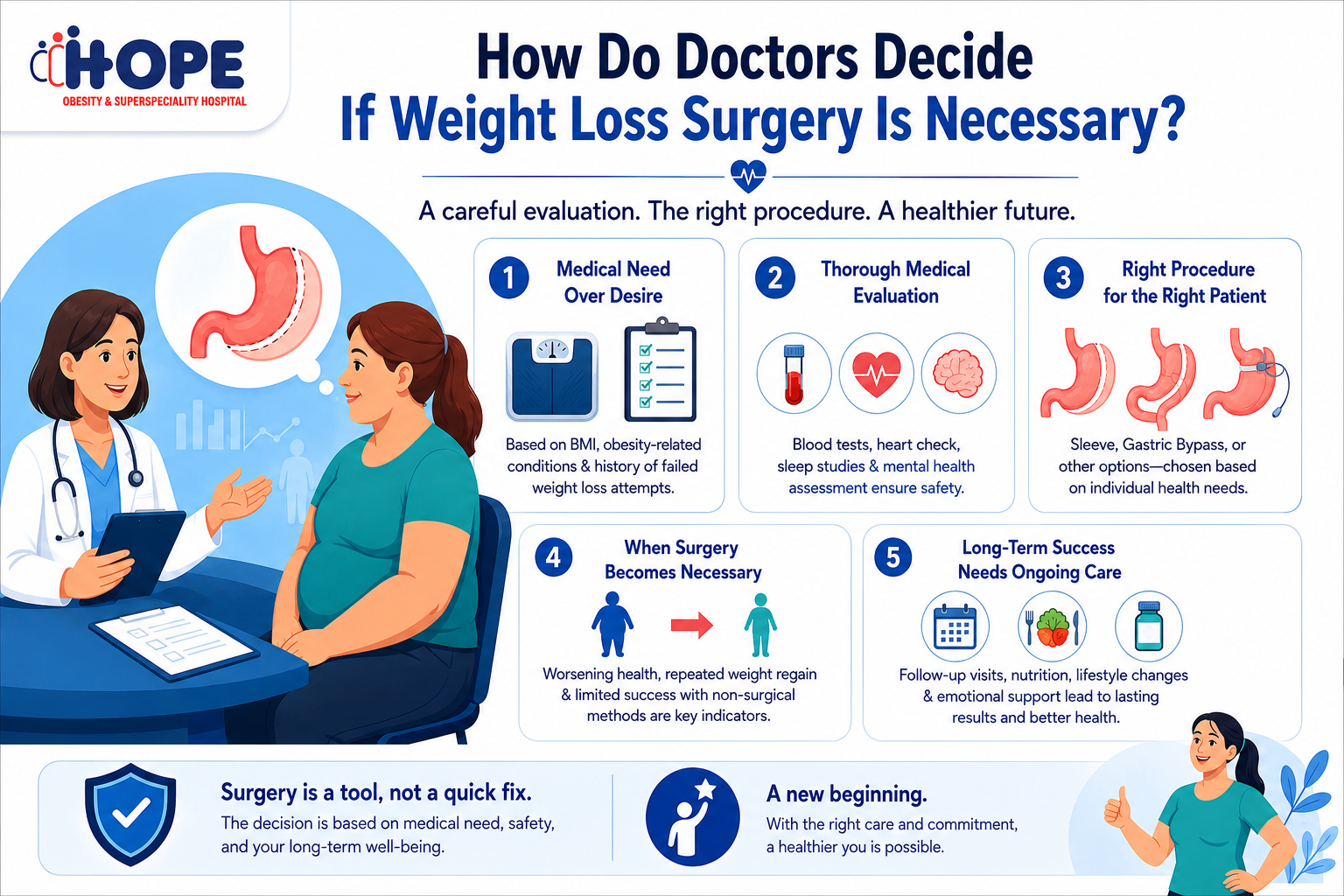
Not every individual with excess weight requires surgery. However, certain situations may indicate that medical intervention should be considered.
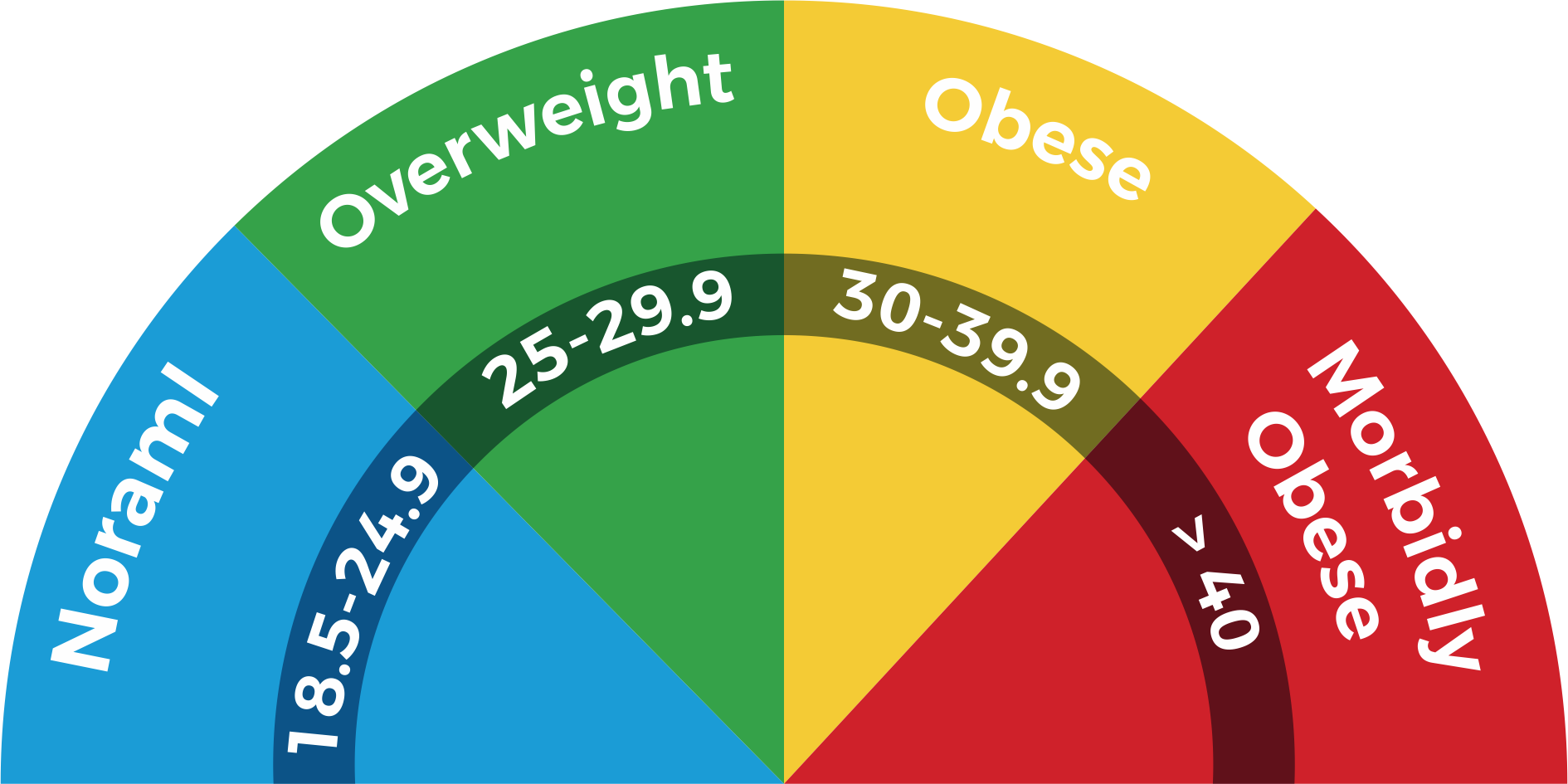
- Individuals with high BMI levels
- Patients suffering from obesity-related health conditions
- Those who have not achieved results through conventional methods
- Individuals experiencing obesity-related mobility limitations
- Patients requiring long-term medical weight management support
Pre-Treatment Health Assessments and Their Importance
Before any surgical procedure is recommended, specialists perform a comprehensive health assessment. This evaluation helps identify obesity-related complications and ensures that treatment planning is personalized and safe.
- Body mass index evaluation
- Blood investigations
- Metabolic health assessment
- Nutritional analysis
- Lifestyle evaluation
- Review of medical history
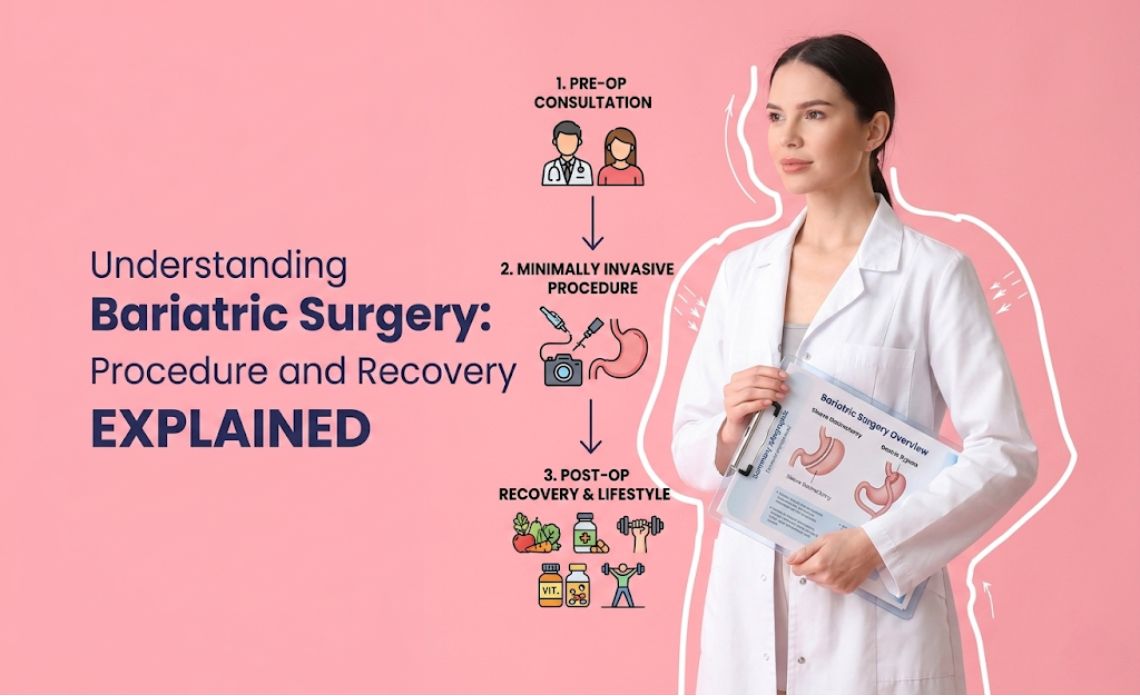
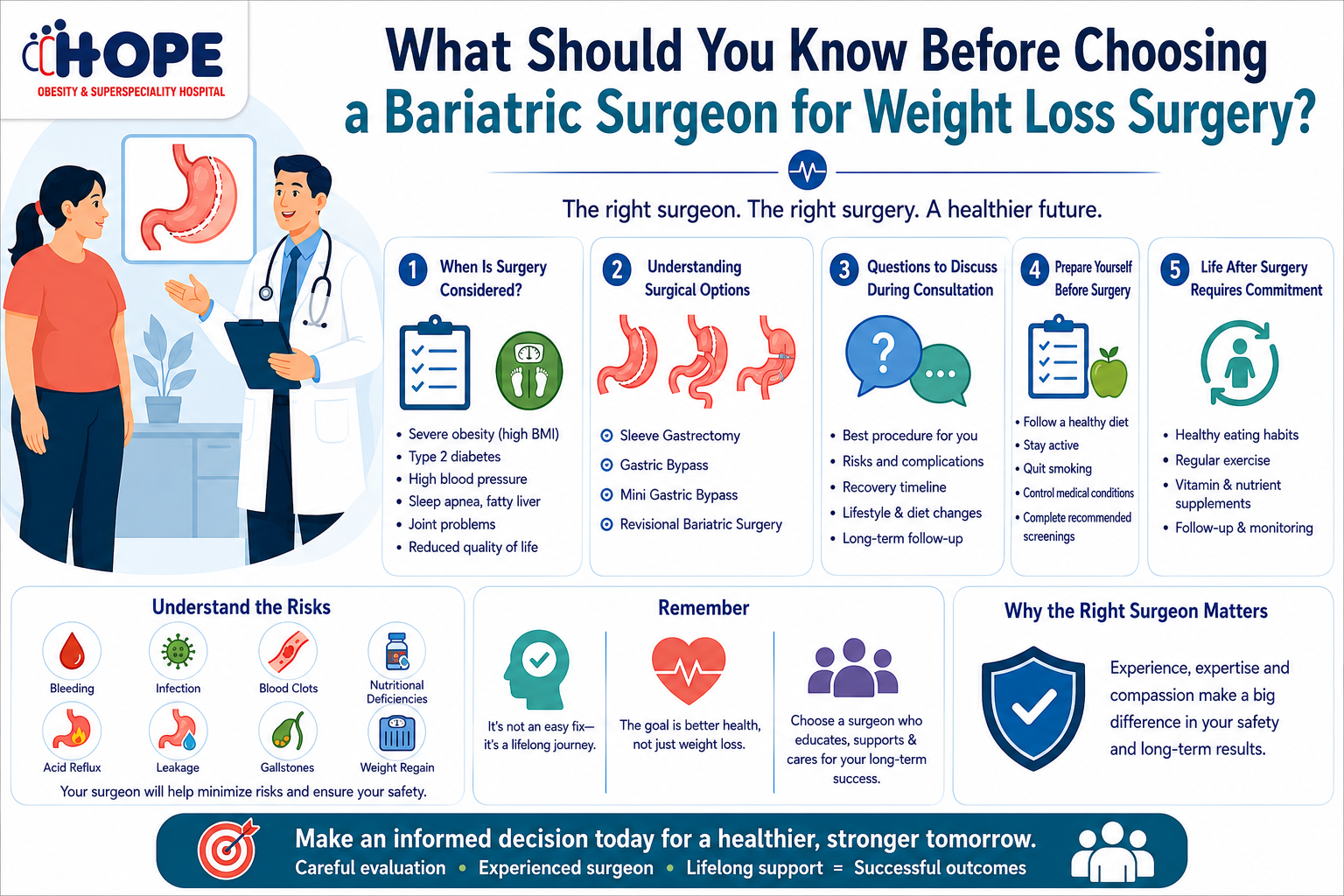
Modern Surgical Techniques Used in Weight Management Procedures
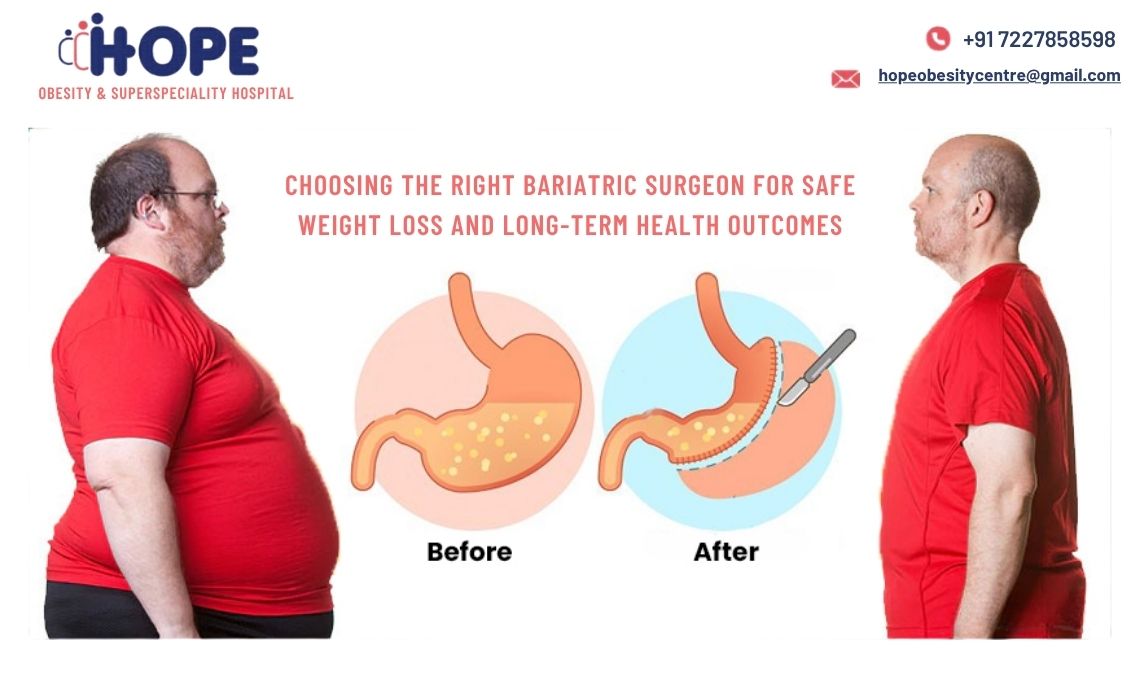
Sleeve Gastrectomy
This procedure reduces stomach size, helping patients feel full after consuming smaller portions of food.
Gastric Bypass Surgery
This technique alters the digestive pathway to reduce calorie absorption while limiting food intake.
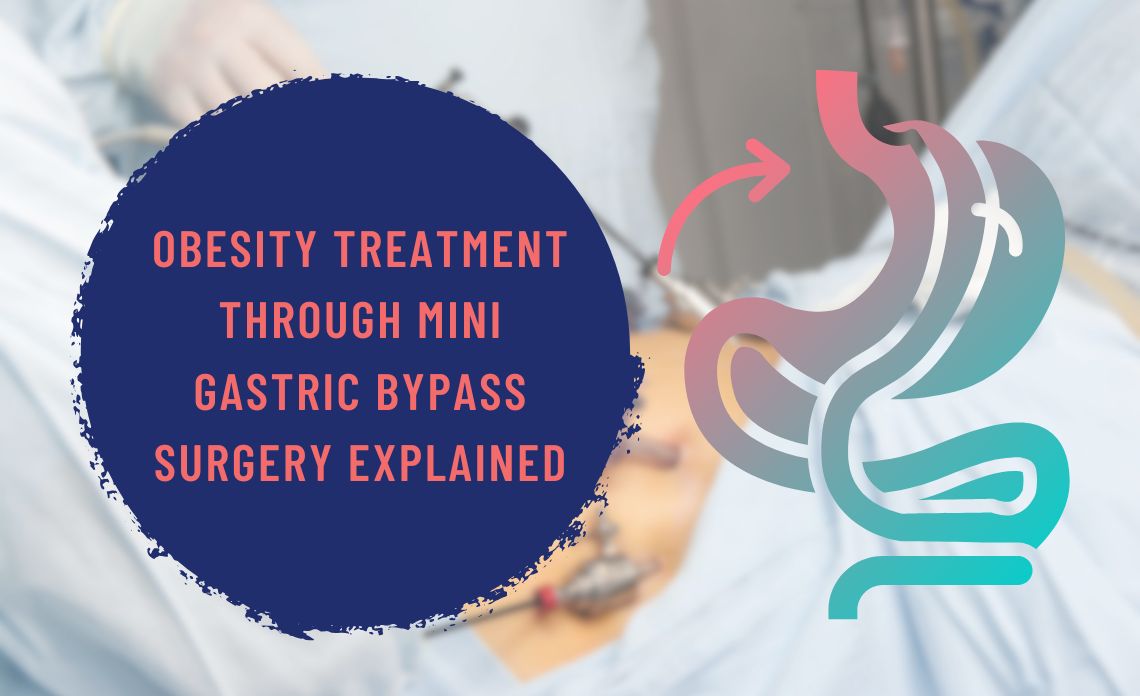
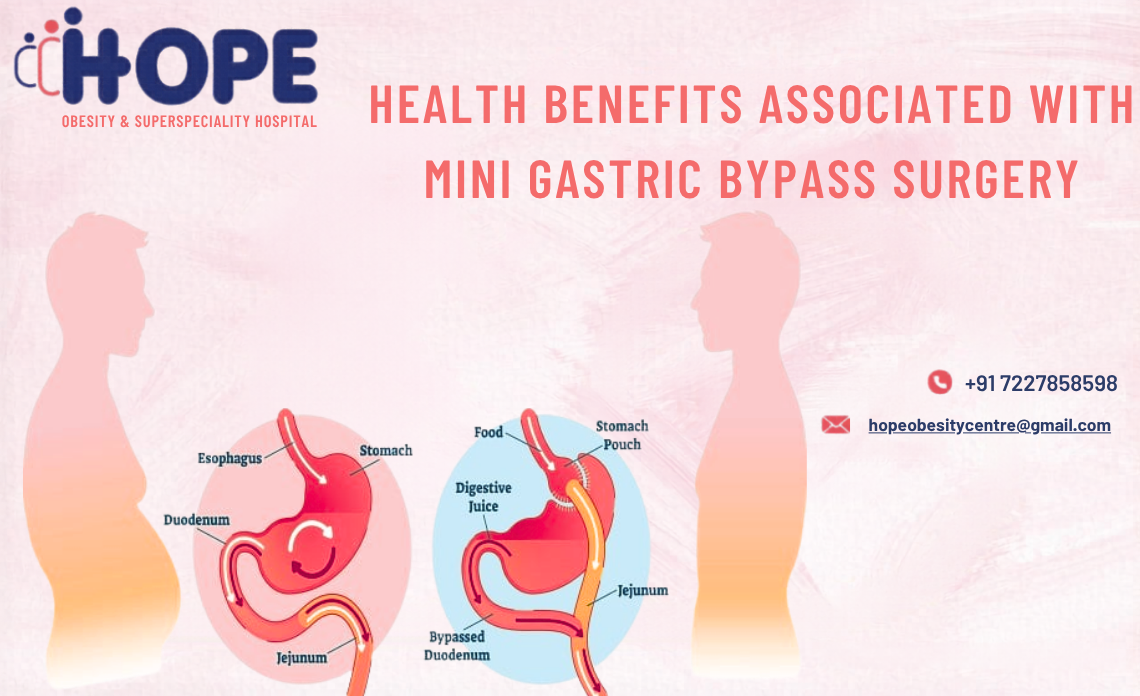
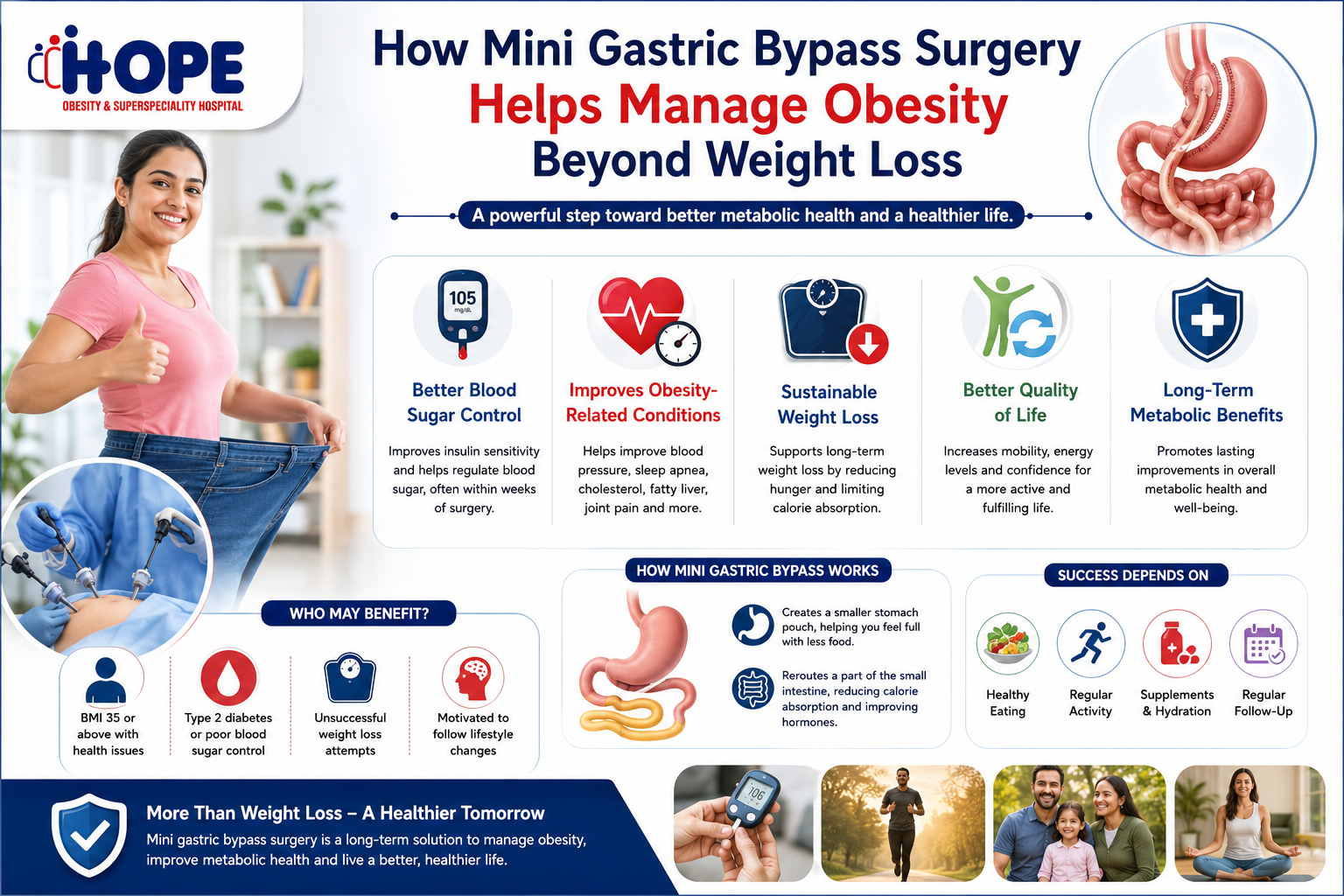
Mini Gastric Bypass
This procedure combines restrictive and metabolic benefits to support significant and sustainable weight reduction.
How Digestive System Modifications Support Weight Reduction
One of the primary reasons surgical treatment is effective is because it changes the way the digestive system functions. A smaller stomach capacity naturally limits food intake, while hormonal changes help regulate appetite more effectively.
- Reduced hunger sensations
- Better portion control
- Improved eating patterns
- Greater awareness of nutritional choices
These changes support gradual weight reduction and help establish healthier long-term habits.
Many individuals considering weight loss surgery in Ahmedabad value this structured approach because it supports sustainable lifestyle changes rather than temporary results.
Changes Patients Commonly Experience Following Treatment
Weight reduction following surgery occurs progressively over several months. As body weight decreases, many patients begin noticing improvements in physical health and daily functioning.
- Increased energy levels
- Improved mobility
- Better blood sugar control
- Reduced blood pressure
- Improved sleep quality
- Enhanced physical comfort
Nutritional Adaptation After Surgical Weight Management
Proper nutrition plays a vital role after weight loss surgery. Since food intake is reduced, patients must focus on consuming nutrient-rich foods that support healing and overall health.
- Adequate protein intake
- Balanced meal planning
- Proper hydration
- Portion awareness
- Vitamin and mineral supplementation when necessary
The Importance of Building Sustainable Lifestyle Habits
While surgery provides an effective foundation for weight management, long-term success depends on healthy lifestyle practices. Patients are encouraged to develop habits that support ongoing health improvement.
- Regular physical activity
- Consistent meal schedules
- Healthy food choices
- Stress management techniques
- Routine health monitoring
Long-Term Health Improvements Beyond Weight Reduction
The benefits of surgical weight management often extend far beyond the number shown on a weighing scale. Many patients experience meaningful improvements in their overall health after treatment.
- Better metabolic function
- Reduced risk of cardiovascular disease
- Improved joint health
- Enhanced physical endurance
- Better quality of sleep
- Increased participation in daily activities
Factors That Influence Treatment Success
Successful outcomes depend on several factors beyond the surgical procedure itself. Patient commitment and ongoing lifestyle changes play a major role in maintaining results.
- Following medical advice
- Maintaining nutritional discipline
- Attending follow-up appointments
- Staying physically active
- Monitoring overall health regularly
The Role of Continuous Medical Monitoring After Surgery
Regular follow-up care remains an essential component of surgical weight management. Healthcare professionals monitor recovery progress, nutritional status, and overall health improvement throughout the treatment journey.
Routine evaluations allow specialists to identify concerns early and provide personalized recommendations when needed. This ongoing support helps patients stay on track and maintain healthy progress.
Many individuals who undergo weight loss surgery in Ahmedabad benefit from structured follow-up programs that focus on long-term success and patient well-being.
Maintaining Results Through Structured Health Management
Achieving significant weight reduction is an important milestone, but maintaining those results requires continued effort and commitment. By combining surgical treatment with sustainable lifestyle modifications, patients can continue improving their health and reduce the impact of obesity-related conditions.
A structured approach to weight management supports not only physical transformation but also long-term wellness and improved quality of life.
Recent Posts

.jpg)
.jpg)
.jpg)







.jpg)

.jpg)