Health Benefits Associated with Mini Gastric Bypass Surgery
Health Benefits Associated with Mini Gastric Bypass Surgery
Addressing Obesity Through Advanced Medical Treatment
Obesity is a chronic health condition that affects millions of individuals worldwide. Beyond weight gain, it can increase the risk of several serious medical conditions, including diabetes, hypertension, sleep apnea, fatty liver disease, and cardiovascular disorders. As obesity progresses, it may also affect mobility, energy levels, and overall quality of life.
Although diet modification and regular exercise remain important components of healthy living, some individuals may find it difficult to achieve sustainable weight loss through lifestyle changes alone. In such situations, bariatric procedures offer an effective medical solution for long-term weight management.
Many patients seeking advanced obesity treatment consider mini gastric bypass surgery in Ahmedabad as a reliable option because of its effectiveness in supporting both weight reduction and metabolic health improvement.
Understanding the Purpose of Mini Gastric Bypass Surgery
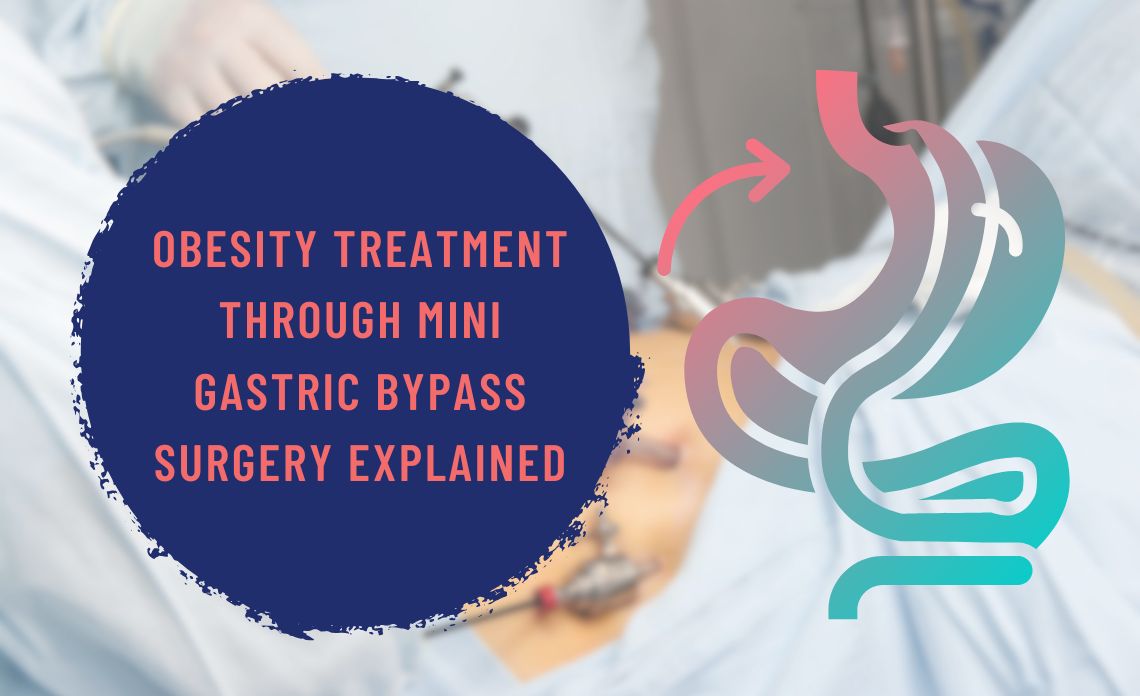
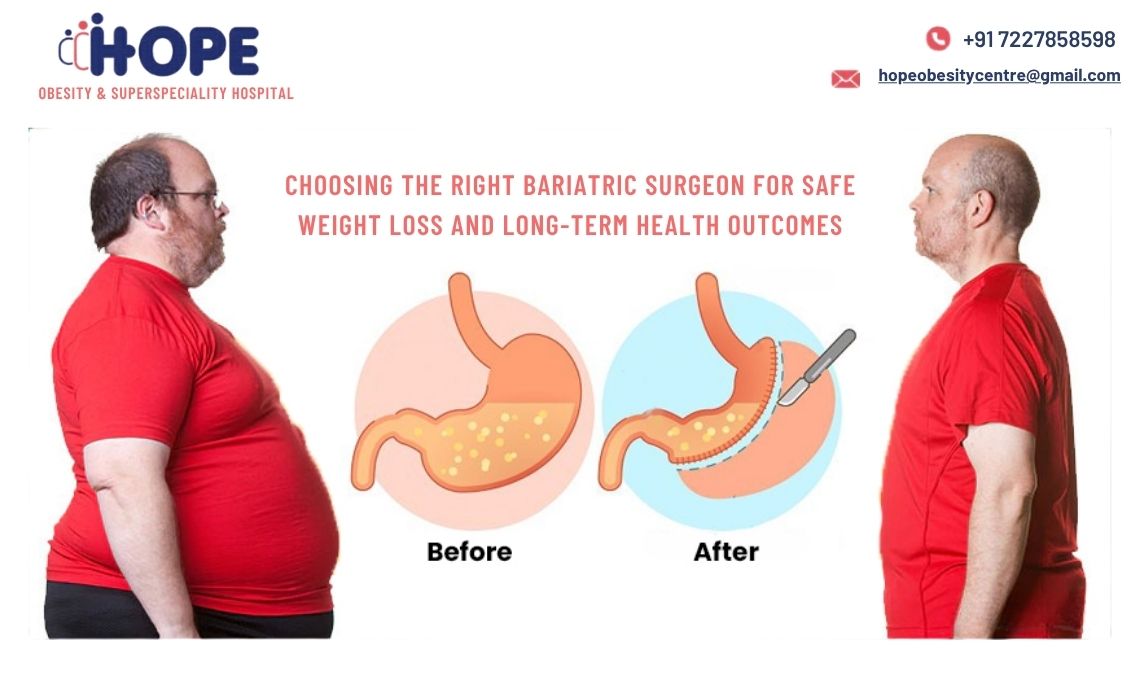
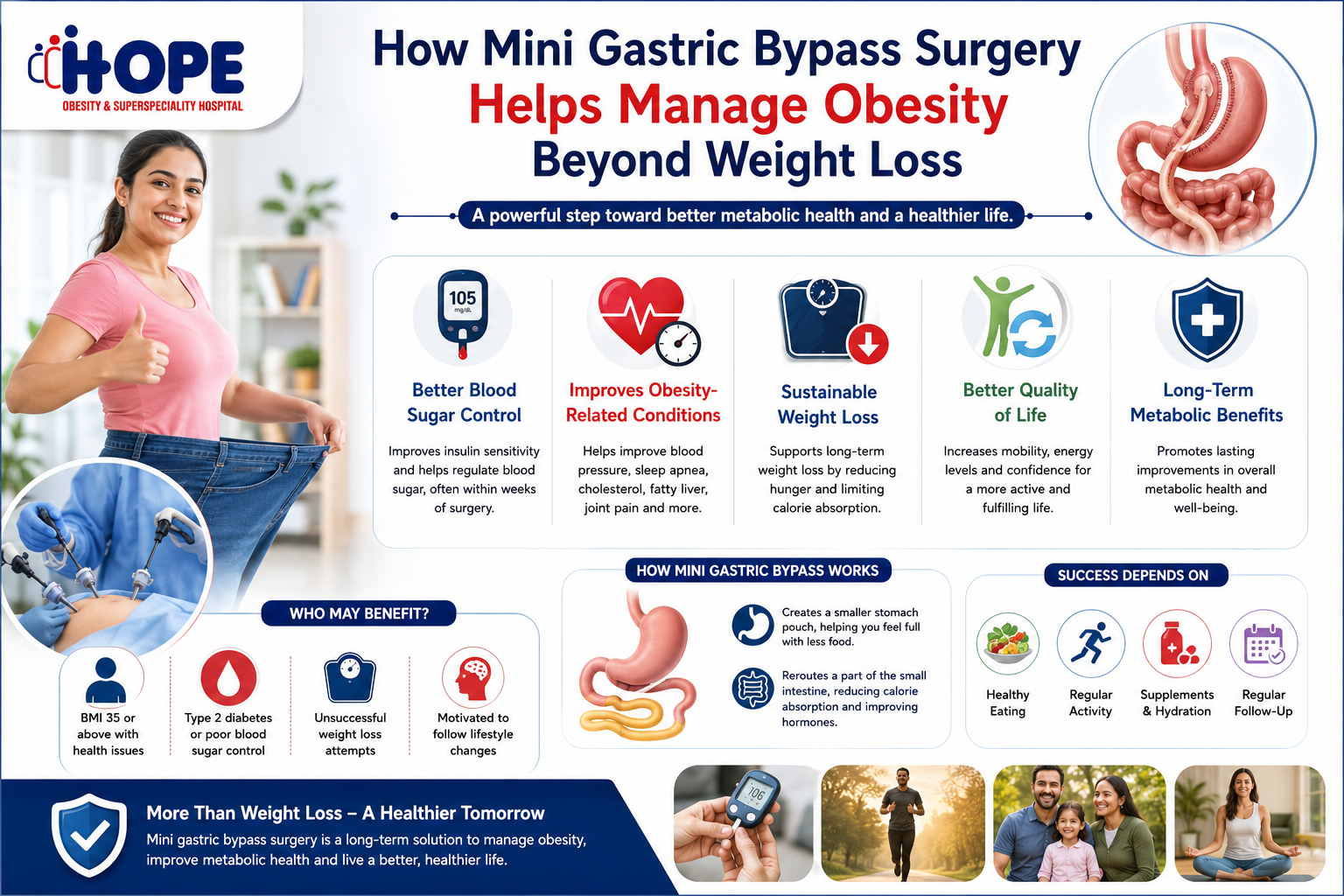
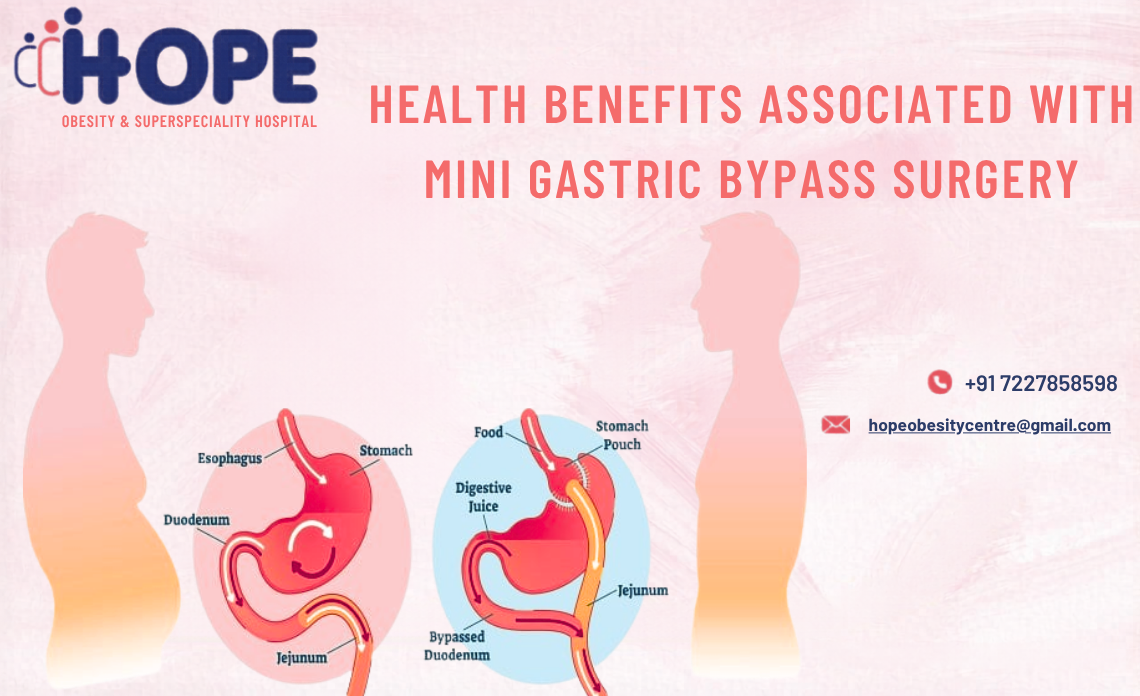
Mini gastric bypass surgery is a bariatric procedure designed to help individuals achieve significant and sustainable weight loss. The surgery works by creating a smaller stomach pouch and modifying a portion of the digestive tract.
These changes help reduce food intake while also limiting calorie absorption. As a result, patients consume smaller meals and experience gradual weight reduction over time.
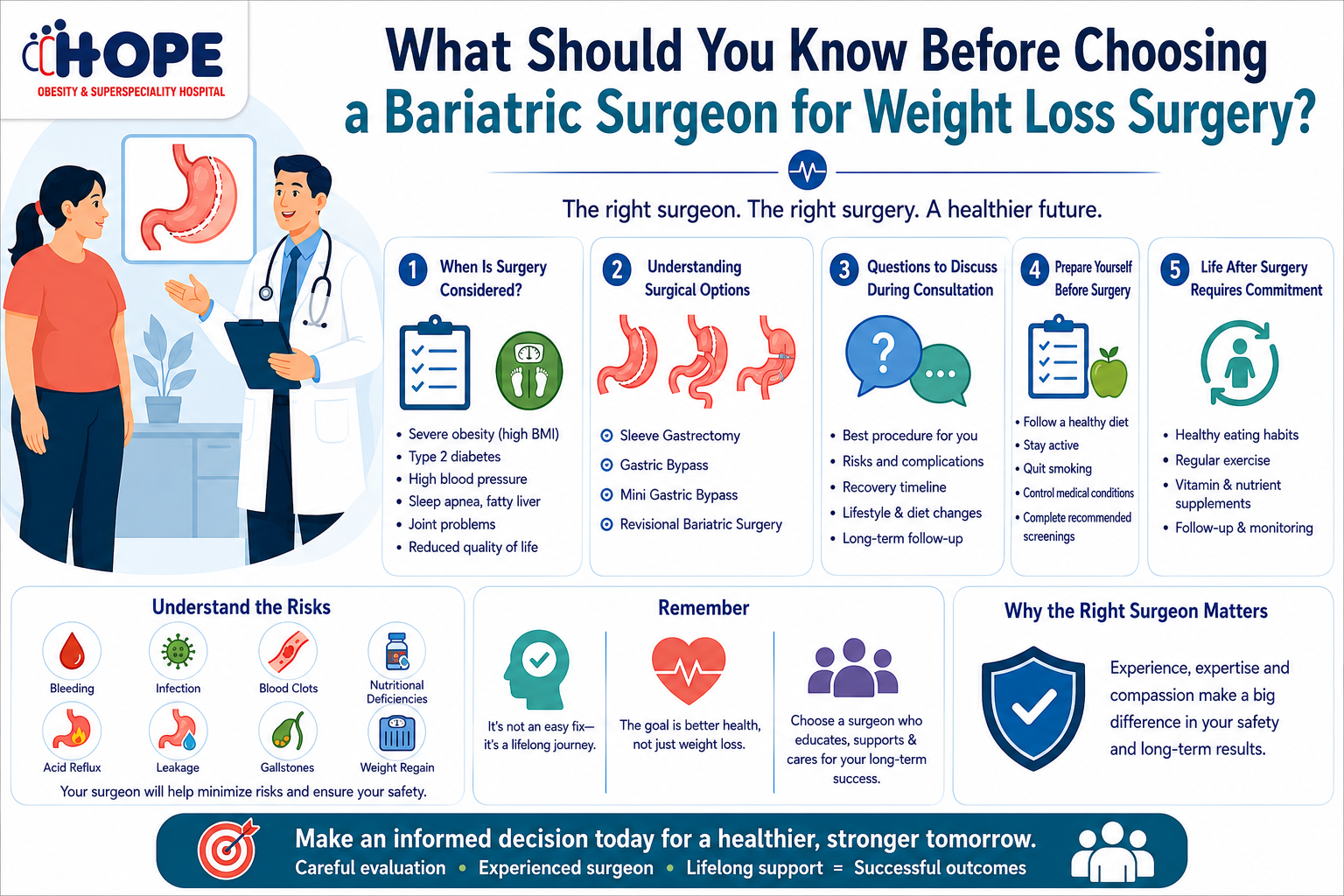
The procedure is often recommended for individuals with severe obesity or obesity-related health conditions when conventional weight loss methods have not produced desired outcomes.
Why Obesity Requires More Than Lifestyle Changes
While healthy eating and physical activity are essential for maintaining wellness, obesity is often influenced by multiple factors beyond simple calorie intake.
Some contributing factors include:
- Hormonal imbalances
- Genetic predisposition
- Metabolic disorders
- Sedentary lifestyle
- Stress-related eating habits
- Long-term unhealthy dietary patterns
Because obesity can be complex, medical intervention may become necessary when traditional approaches fail to deliver long-term success.
How Mini Gastric Bypass Surgery Supports Weight Reduction
The effectiveness of mini gastric bypass surgery comes from its ability to influence both food intake and digestion.
The procedure helps patients by:
- Reducing stomach capacity
- Limiting calorie absorption
- Supporting portion control
- Regulating hunger-related hormones
- Encouraging healthier eating patterns
These combined effects create a structured environment for gradual and sustainable weight reduction.
Key Health Benefits Beyond Weight Loss
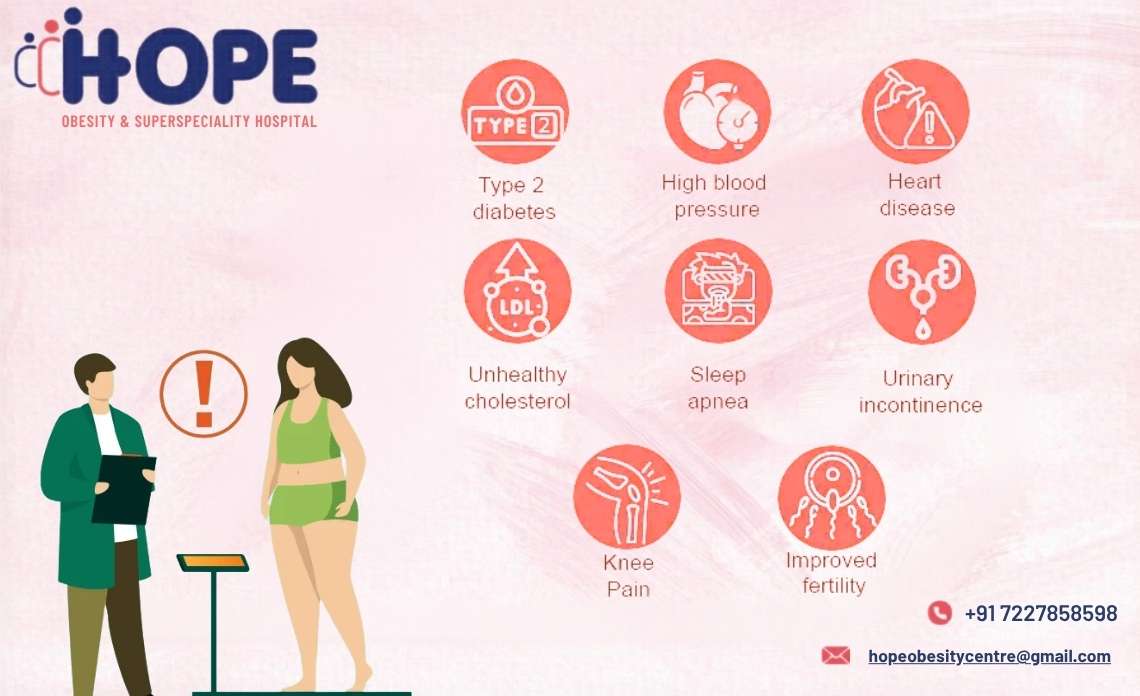
One of the most important advantages of mini gastric bypass surgery is that its benefits extend far beyond reducing body weight.
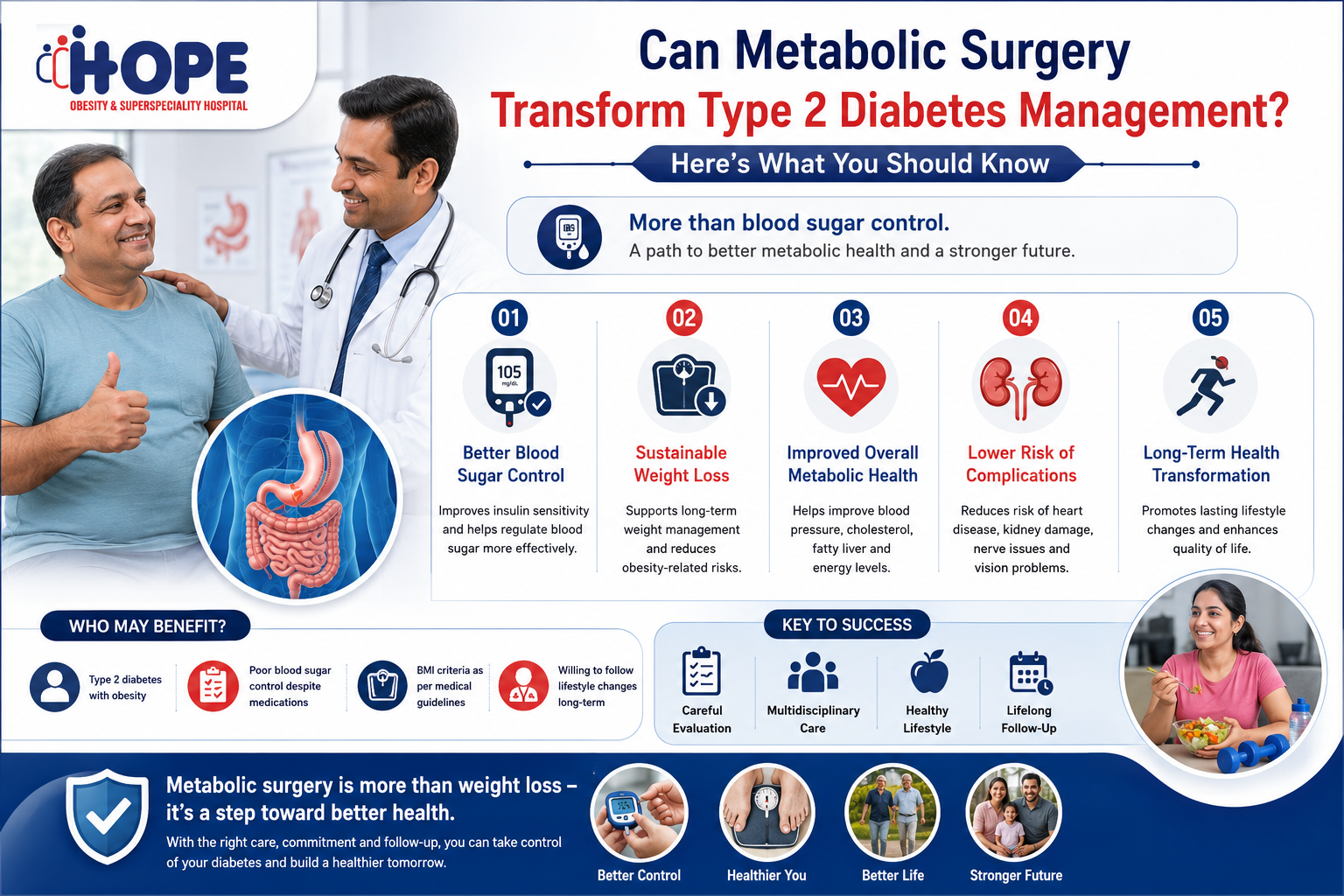
Improved Blood Sugar Management
Many patients experience better control of blood glucose levels following surgery. Improved insulin sensitivity can help support diabetes management and overall metabolic health.
Better Cardiovascular Health
Weight reduction often contributes to healthier blood pressure levels and improved cholesterol profiles, reducing stress on the cardiovascular system.
Enhanced Physical Mobility
Reduced body weight decreases pressure on joints and muscles, helping patients move more comfortably and participate in daily activities with greater ease.
Improved Sleep Quality
Patients who experience obesity-related sleep disorders may notice significant improvements in sleep patterns after successful weight reduction.
Medical Evaluation Before Treatment
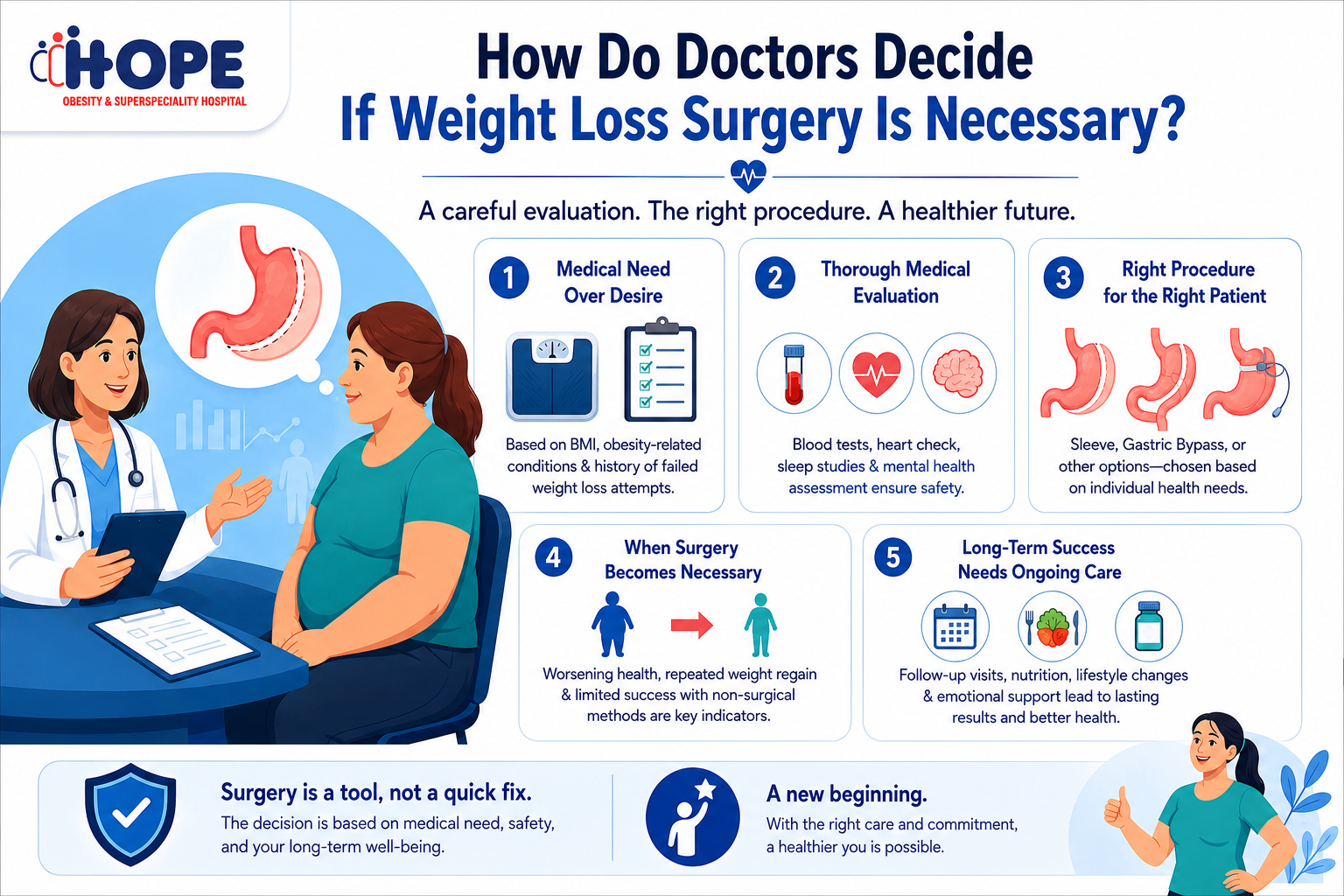
A detailed medical assessment is essential before recommending any bariatric procedure. Specialists evaluate the patient's overall health and determine whether surgery is an appropriate treatment option.
The evaluation process may include:
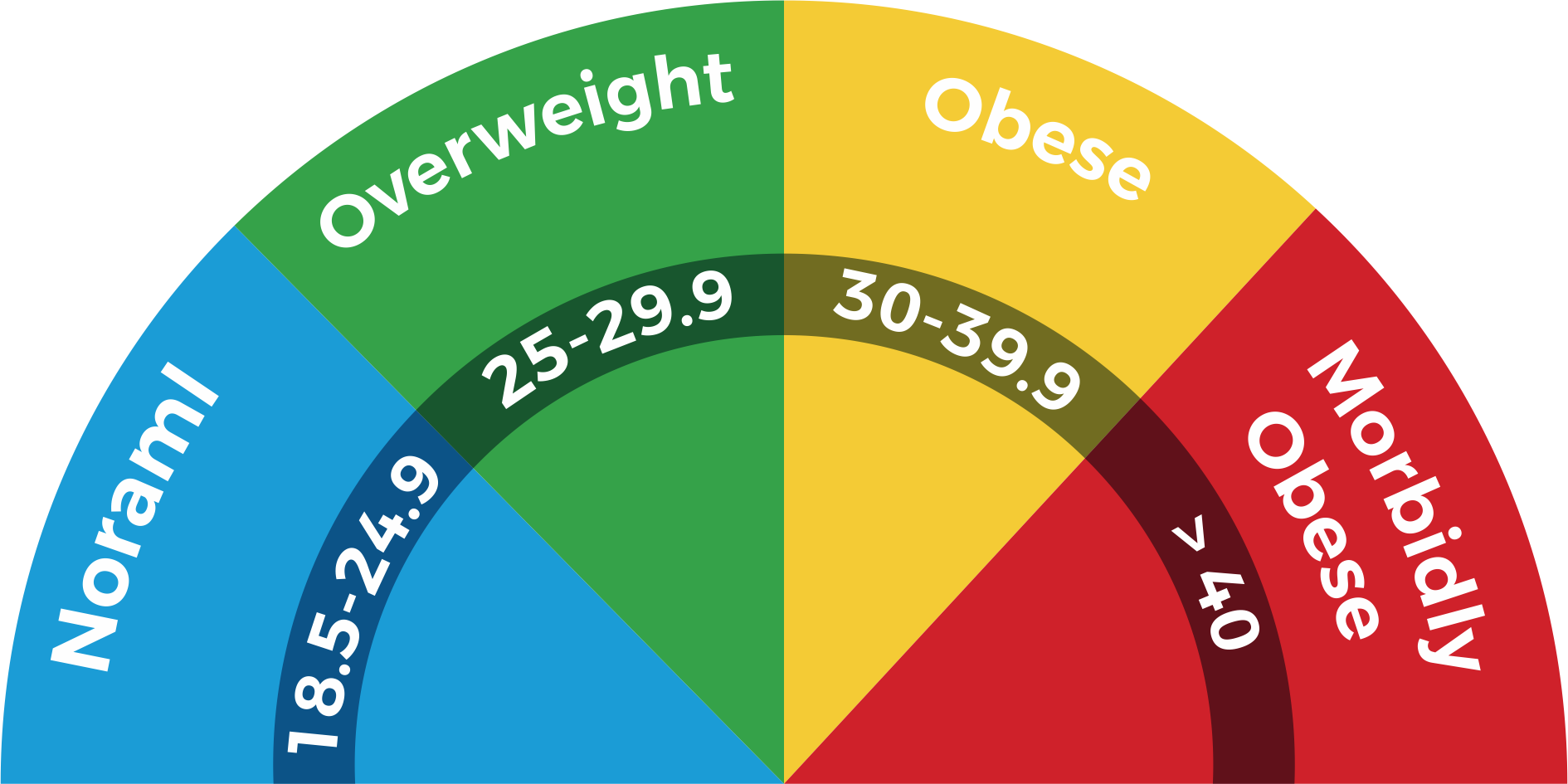
- Body mass index assessment
- Blood investigations
- Nutritional evaluation
- Metabolic health review
- Medical history analysis
- Lifestyle assessment
This comprehensive approach helps create a personalized treatment strategy for each patient.
Modern Surgical Techniques and Their Advantages
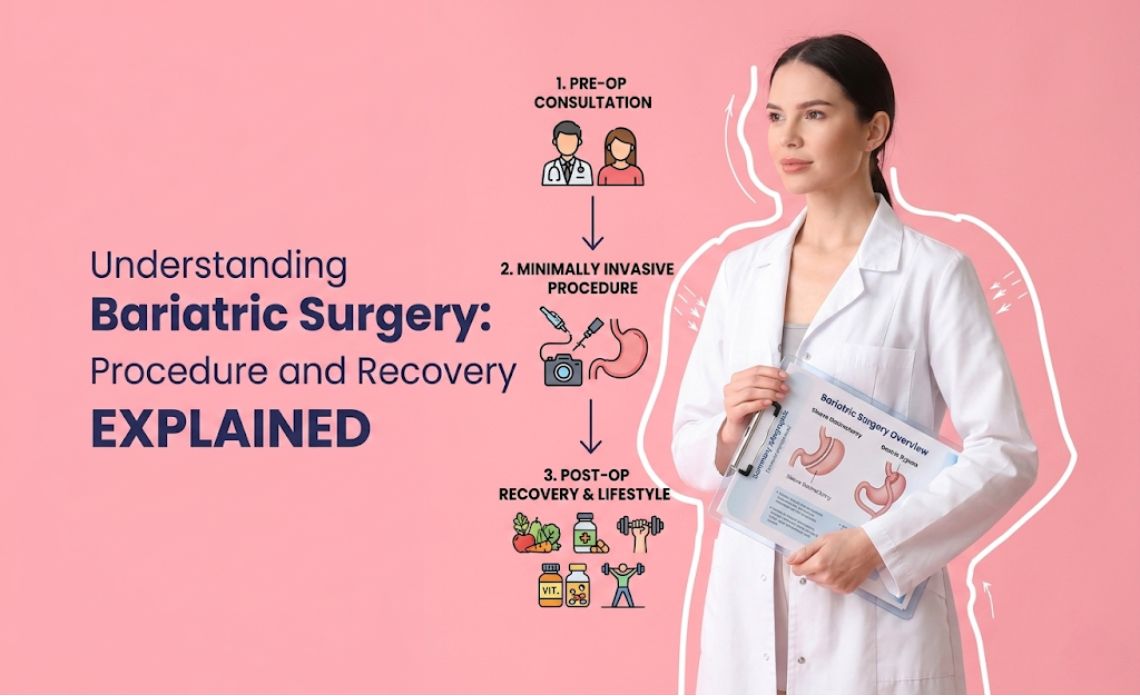
Mini gastric bypass surgery is commonly performed using minimally invasive laparoscopic techniques. This modern approach involves small incisions and specialized instruments that allow surgeons to perform the procedure with precision.
Advantages of laparoscopic surgery include:
- Smaller surgical scars
- Reduced post-operative discomfort
- Faster recovery periods
- Shorter hospital stays
- Lower risk of complications
Because of these benefits, many patients choose mini gastric bypass surgery in Ahmedabad performed through advanced laparoscopic methods.
Recovery and Healing After Surgery
Recovery is an important stage of the treatment journey. Most patients begin moving shortly after surgery under medical supervision to support circulation and healing.
The recovery process generally includes:
- Initial liquid diet
- Gradual progression to soft foods
- Structured nutritional guidance
- Regular follow-up consultations
- Gradual return to physical activity
Following medical recommendations carefully helps support successful recovery and long-term treatment outcomes.
Nutritional Adaptation After Surgery
Since mini gastric bypass surgery changes the digestive process, nutritional management becomes an essential aspect of recovery and long-term success.
Patients are encouraged to:
- Consume protein-rich foods
- Maintain proper hydration
- Follow portion-controlled meals
- Take prescribed supplements when necessary
- Attend regular nutritional reviews
These practices help ensure balanced nutrition while supporting ongoing weight management.
Long-Term Lifestyle Improvements
Surgery provides a valuable tool for weight reduction, but maintaining results requires commitment to healthy habits.
Patients who achieve lasting success often focus on:
- Consistent physical activity
- Balanced dietary choices
- Regular health monitoring
- Stress management
- Routine medical follow-ups
These lifestyle modifications help maximize the long-term benefits of treatment.
Positive Impact on Daily Living
Weight reduction achieved through mini gastric bypass surgery can significantly improve everyday life. Many patients report increased stamina, greater mobility, and improved comfort while performing routine tasks.
Reduced physical limitations often allow individuals to participate more actively in work, family responsibilities, and recreational activities. These improvements contribute to better overall well-being and quality of life.
Patients exploring mini gastric bypass surgery in Ahmedabad often seek these broader health improvements in addition to weight reduction.
Importance of Continued Medical Monitoring
Long-term success after bariatric treatment depends on ongoing medical support. Regular follow-up appointments allow healthcare professionals to monitor nutritional health, assess progress, and provide guidance when necessary.
Continuous monitoring helps identify potential concerns early and ensures that patients remain on track toward their health goals. With proper care, mini gastric bypass surgery can serve as an effective pathway toward sustainable weight management and improved overall health.
Recent Posts

.jpg)
.jpg)
.jpg)







.jpg)

.jpg)