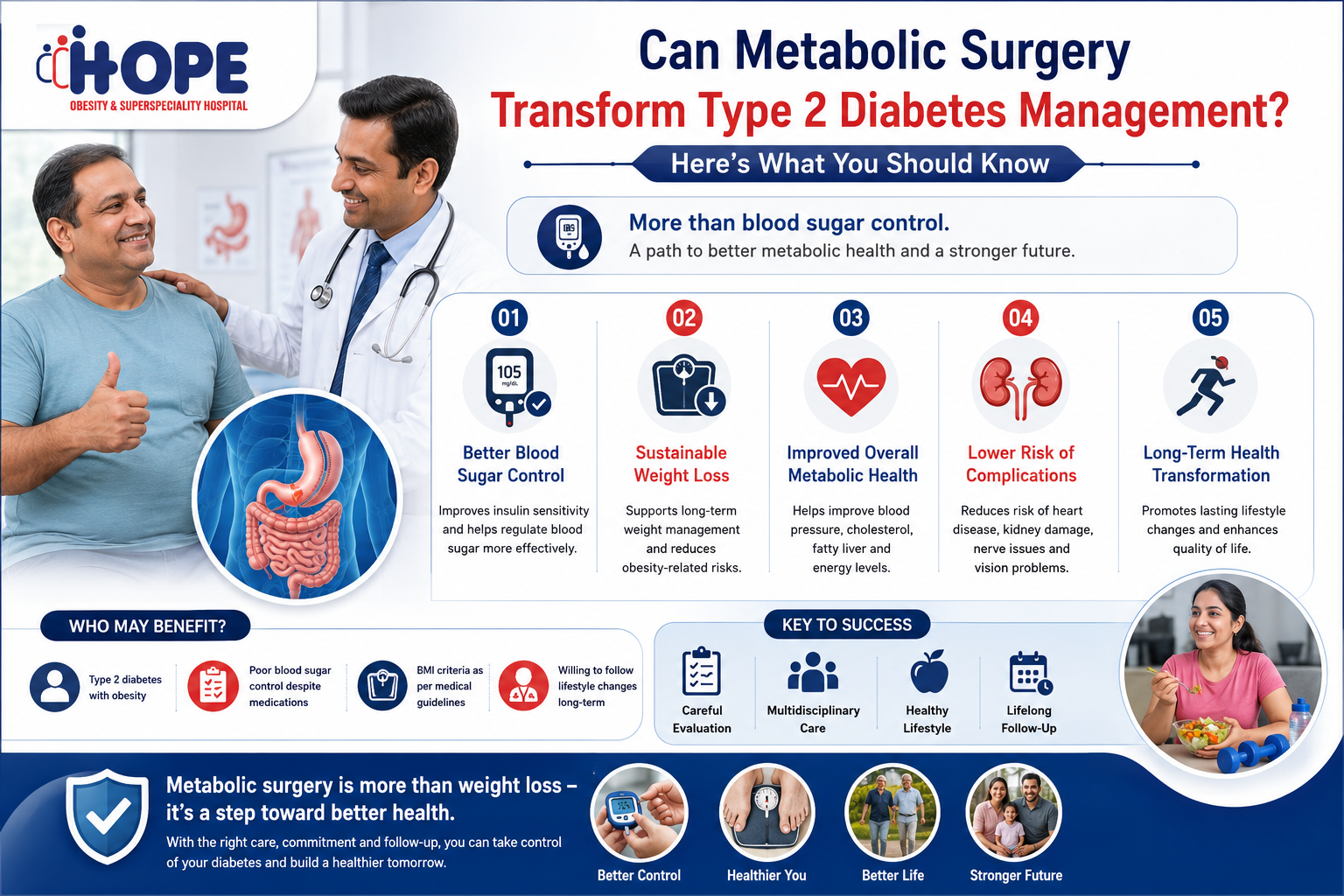
Can Metabolic Surgery Transform Type 2 Diabetes Management? Here’s What You Should Know
Can Metabolic Surgery Transform Type 2 Diabetes Management? Here’s What You Should Know
Type 2 diabetes is more than a condition that affects blood sugar—it is a complex metabolic disorder that can influence heart health, kidney function, vision, nerves, and overall quality of life. While healthy eating, regular exercise, and medications remain the foundation of diabetes management, some individuals continue to experience poor blood sugar control despite following recommended treatment plans. For carefully selected patients with obesity and type 2 diabetes, metabolic surgery may provide an additional treatment option that supports better metabolic health and long-term disease management.
If you are searching for the best hospital for metabolic surgery in Ahmedabad, understanding how metabolic surgery works, who may benefit from it, and what lifestyle changes are required afterward can help you make an informed healthcare decision.
Why Managing Type 2 Diabetes Requires More Than Blood Sugar Control
Type 2 diabetes affects how the body uses insulin, making it difficult to regulate blood glucose levels effectively. Over time, uncontrolled diabetes may increase the risk of cardiovascular disease, kidney disease, nerve damage, vision problems, and other serious complications.
Managing diabetes is not only about lowering blood sugar. It also involves improving metabolic function, reducing obesity-related risks, protecting vital organs, and enhancing overall health. This broader treatment approach is one reason metabolic surgery has become an important option for selected patients.
Understanding the Purpose of Metabolic Surgery
Although metabolic surgery evolved from bariatric surgery, its primary goal extends beyond weight reduction. These procedures modify the digestive system in ways that influence hormones involved in insulin production, glucose regulation, appetite, and energy metabolism.
Many patients experience improvements in blood sugar regulation soon after surgery, sometimes even before substantial weight loss occurs. These metabolic changes distinguish the procedure from conventional weight-loss strategies.
For eligible individuals considering the best hospital for metabolic surgery in Ahmedabad, understanding these hormonal effects is essential when evaluating treatment options.
Who May Be Eligible for Metabolic Surgery?
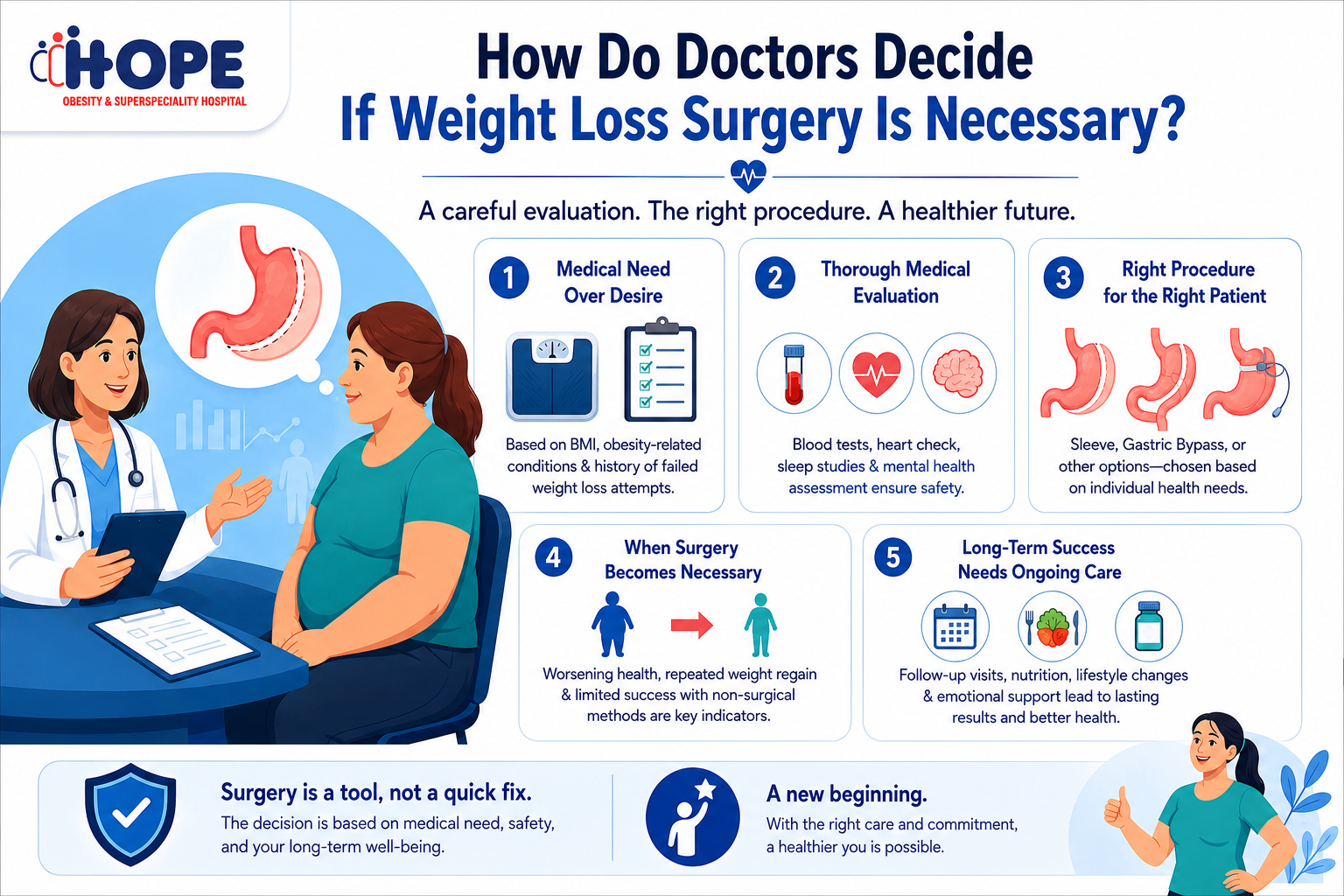
Metabolic surgery is recommended only after a detailed medical evaluation. Specialists assess multiple factors to determine whether surgery is likely to provide meaningful health benefits.
These factors may include:
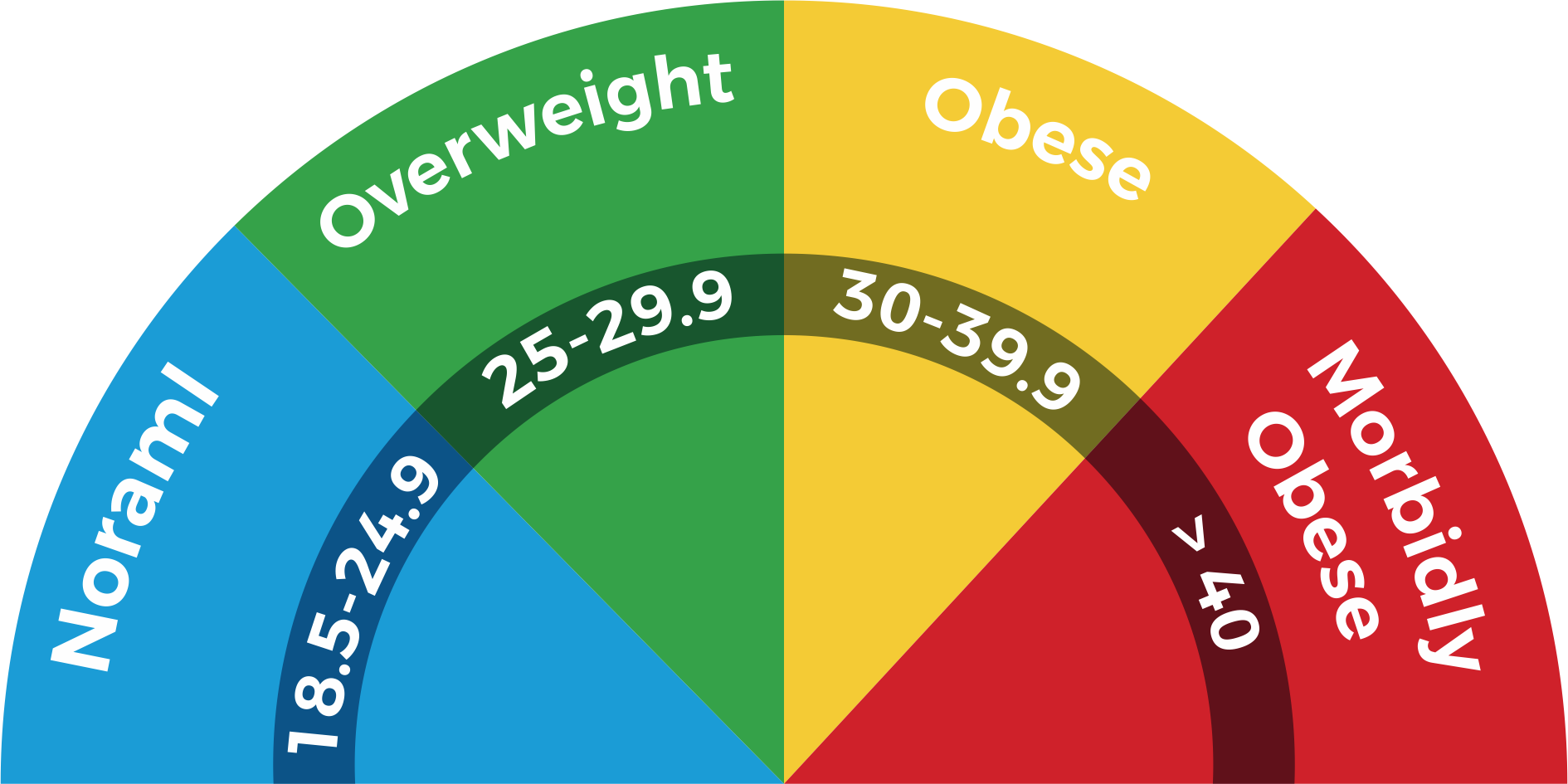
- Body Mass Index (BMI)
- Duration of type 2 diabetes
- Current blood sugar control
- Obesity-related medical conditions
- Previous attempts at weight management
- Nutritional status
- Psychological readiness
- Ability to follow lifelong medical advice
Each treatment decision is personalized rather than based on weight alone.
Comprehensive Evaluation Before Treatment
Successful treatment begins with understanding the patient's complete health profile. Before recommending surgery, healthcare providers often perform laboratory investigations, imaging studies, nutritional assessments, and evaluations of existing medical conditions.
These assessments help identify potential surgical risks, optimize diabetes management before the procedure, and ensure patients understand the long-term responsibilities associated with metabolic surgery.
Preparing for Long-Term Success
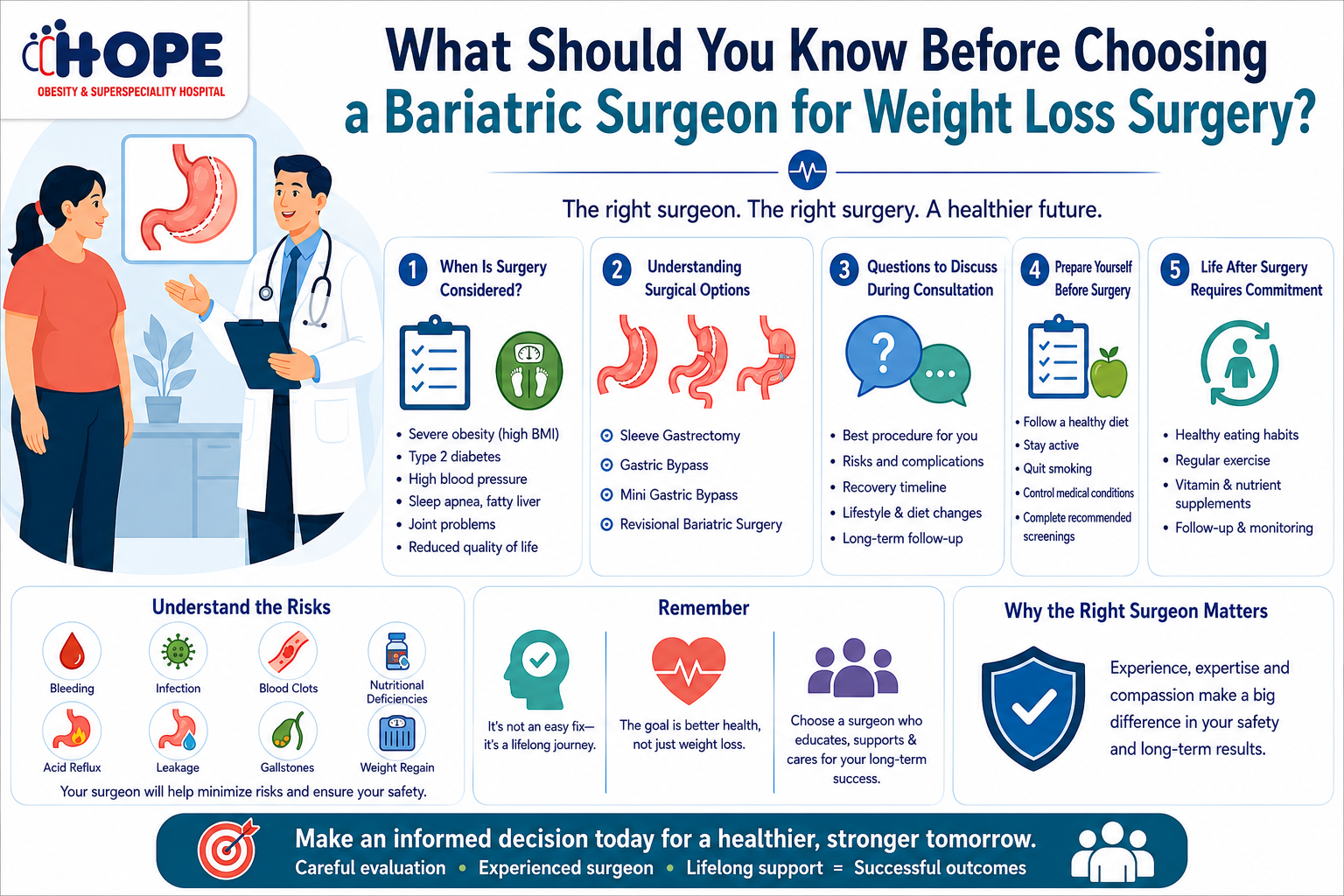
Preparation is an important part of the treatment journey. Patients are often advised to improve dietary habits, increase physical activity within safe limits, stop smoking if applicable, and work closely with dietitians and diabetes specialists.
Education before surgery helps patients understand postoperative nutrition, vitamin supplementation, medication adjustments, and realistic expectations for recovery and long-term health improvements.
Life After Metabolic Surgery
Recovery extends beyond healing from the operation itself. Patients gradually transition through structured dietary stages while adopting lifelong eating habits that support metabolic health.
Regular physical activity, balanced nutrition, adequate hydration, vitamin and mineral supplementation when prescribed, and routine follow-up appointments all contribute to successful long-term outcomes. Ongoing monitoring also allows healthcare providers to adjust diabetes medications as metabolic health improves.
Potential Benefits Beyond Weight Reduction
The goal of metabolic surgery is to improve overall health rather than simply reduce body weight. Depending on the individual's condition, patients may experience improvements in blood sugar management, blood pressure, cholesterol levels, fatty liver disease, obstructive sleep apnea, and obesity-related joint discomfort.
The degree of improvement varies from person to person and depends on factors such as the duration of diabetes, pancreatic function, adherence to lifestyle recommendations, and regular medical follow-up.
Understanding the Risks and Responsibilities
Like every major surgical procedure, metabolic surgery carries potential risks, including bleeding, infection, blood clots, nutritional deficiencies, digestive complications, and the possibility of weight regain if healthy habits are not maintained.
According to Dr. Digvijay Singh Bedi, patients achieve the best outcomes when they understand both the benefits and long-term responsibilities of treatment before making their decision. Realistic expectations and lifelong commitment are essential components of successful metabolic care.
Choosing the Right Path Toward Better Metabolic Health
Metabolic surgery represents one part of a comprehensive approach to managing obesity-related type 2 diabetes. Careful patient selection, thorough medical evaluation, personalized treatment planning, nutritional guidance, and continuous follow-up all contribute to safer and more sustainable outcomes.
If you are exploring treatment at the best hospital for metabolic surgery in Ahmedabad, prioritize a healthcare team that focuses on evidence-based care, multidisciplinary support, and individualized treatment strategies. With informed decision-making and long-term commitment, metabolic surgery can become an important step toward improving metabolic health, reducing diabetes-related complications, and enhancing overall quality of life.
Recent Posts

.jpg)
.jpg)
.jpg)








.jpg)

.jpg)