What Is Gastric Sleeve Surgery and How Does It Work?
What Is Gastric Sleeve Surgery and How Does It Work?
You've tried diets. You've tried gym memberships, morning walks, and every "guaranteed" plan your relatives suggested. The weight came off for a while, then crept back. Now you're wondering if there's another way.
If you're researching gastric sleeve surgery, you're taking a thoughtful first step. This surgery has helped many people lose weight and improve their health when other methods haven't worked. This guide explains what it is, how it works, and what to expect, in plain language.
What Is Gastric Sleeve Surgery?
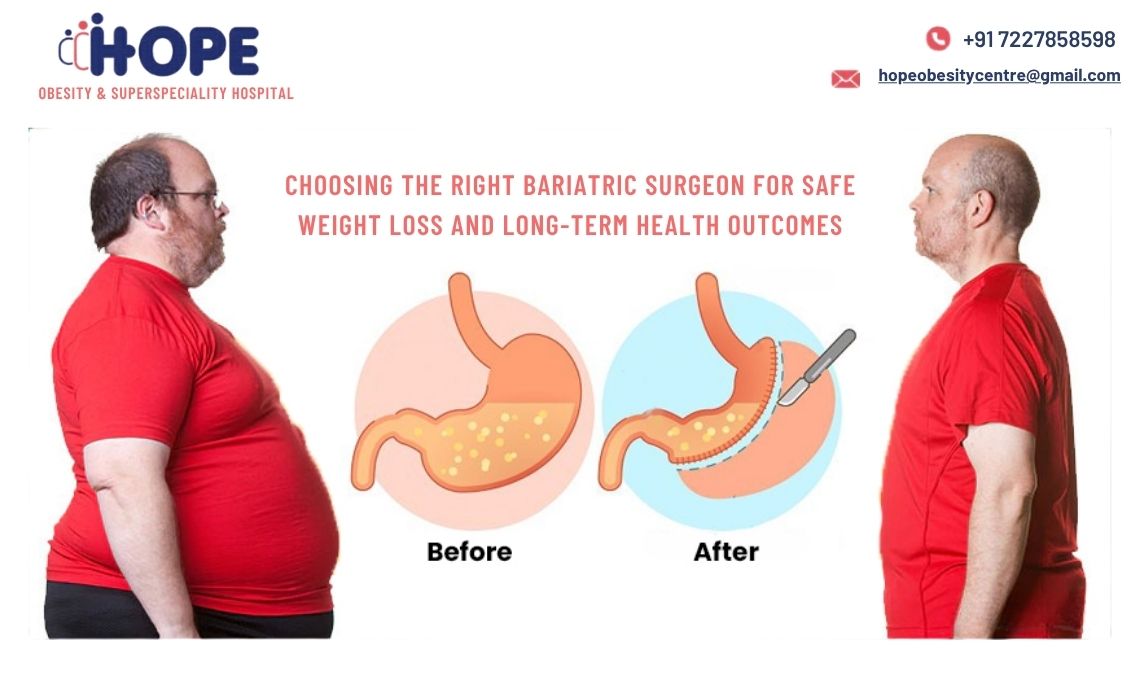
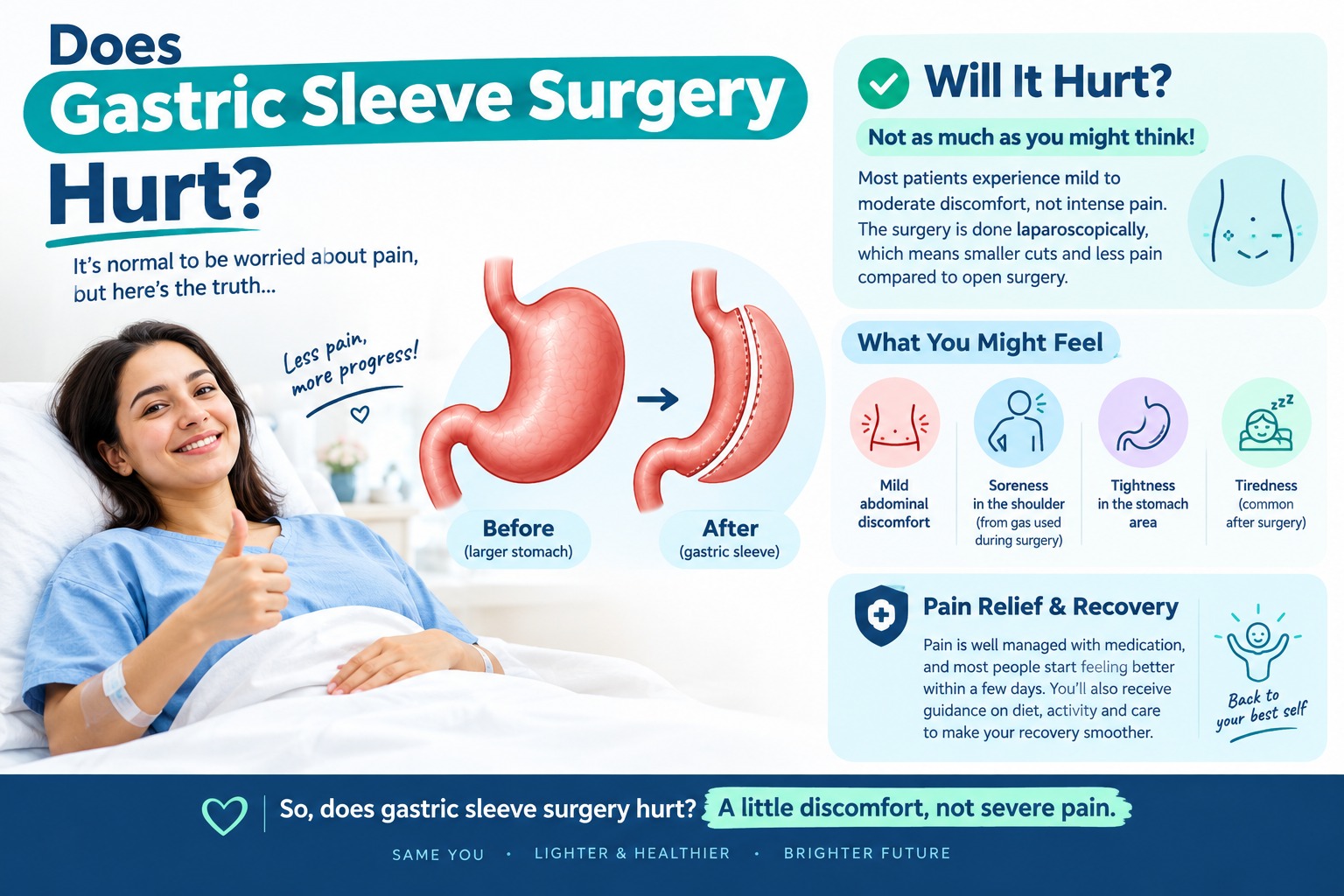
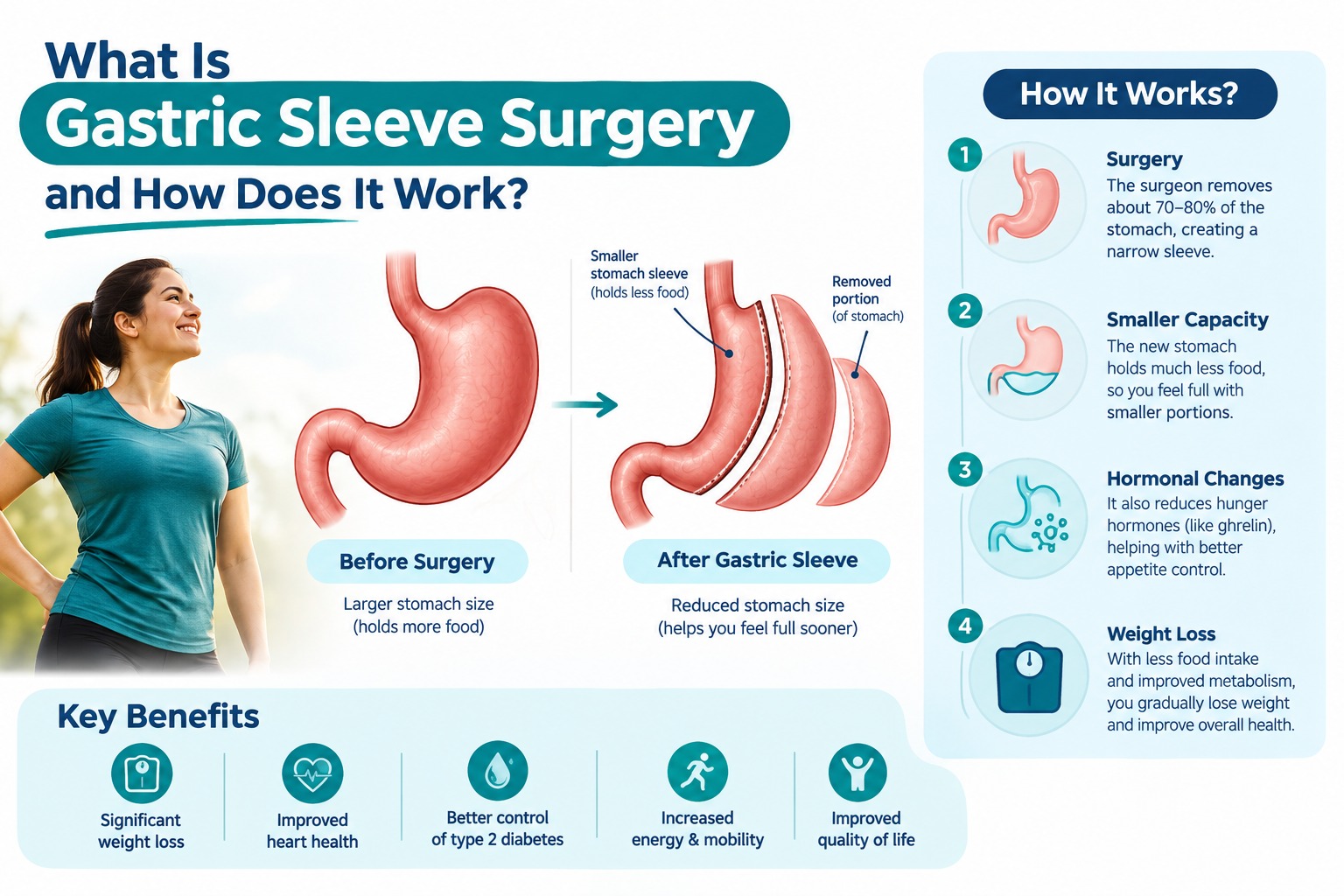
Gastric sleeve surgery, also called sleeve gastrectomy, is a weight loss procedure. The surgeon removes a large part of your stomach and leaves behind a narrow, banana-shaped tube, or "sleeve."
The removed portion is taken out permanently. Your digestive system still works normally. You simply eat less because there is less room for food.
How Does Gastric Sleeve Surgery Work?
The sleeve helps in two main ways.
It limits how much you can eat. A smaller stomach fills up quickly, so a few bites can leave you feeling satisfied.
It lowers hunger. The part of the stomach that is removed makes a hormone called ghrelin, often called the "hunger hormone." With less of it, cravings and constant hunger usually ease.
Together, these changes make it far easier to stick to smaller portions, something that feels very hard before surgery.
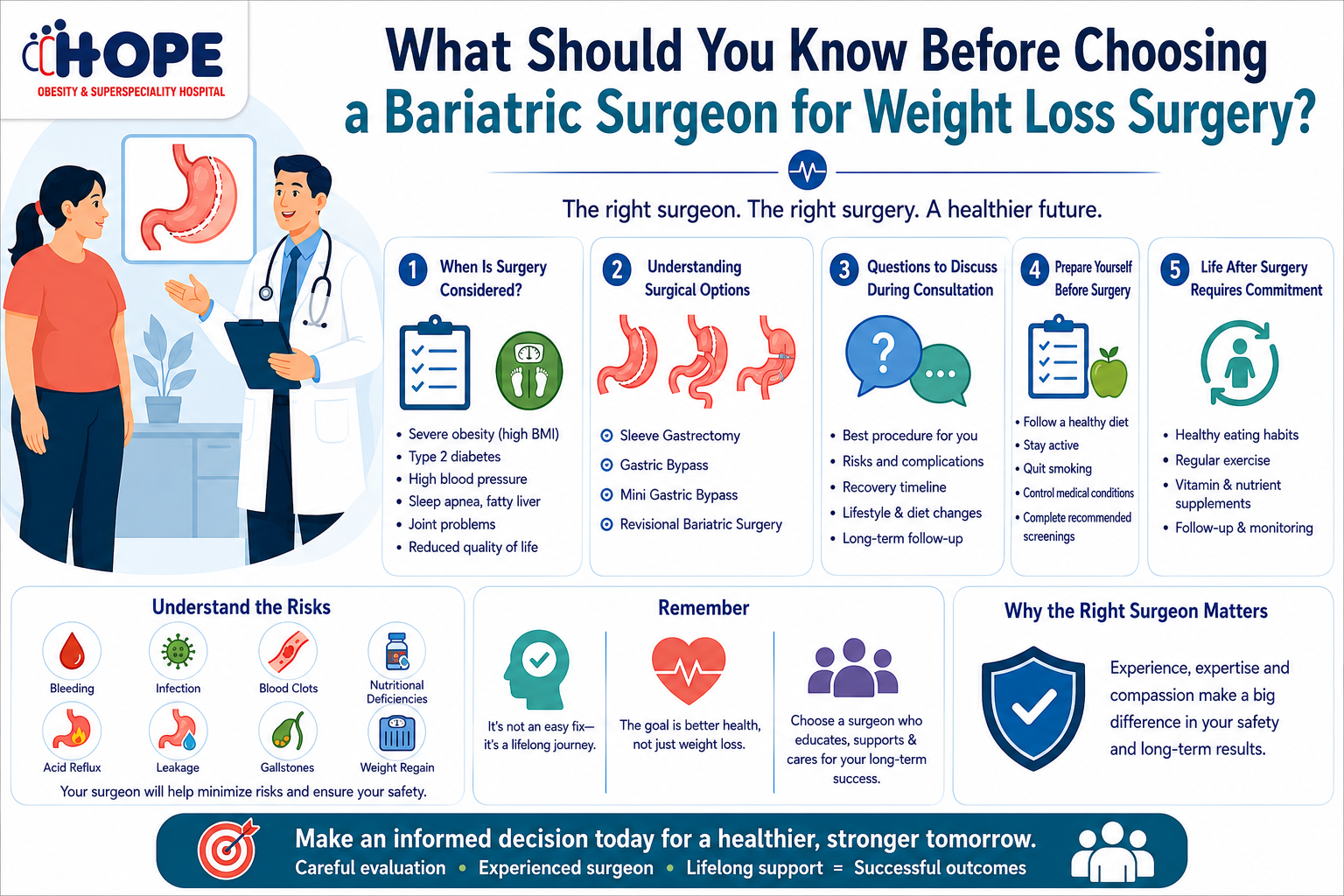
Who Is a Good Candidate for Weight Loss Surgery?
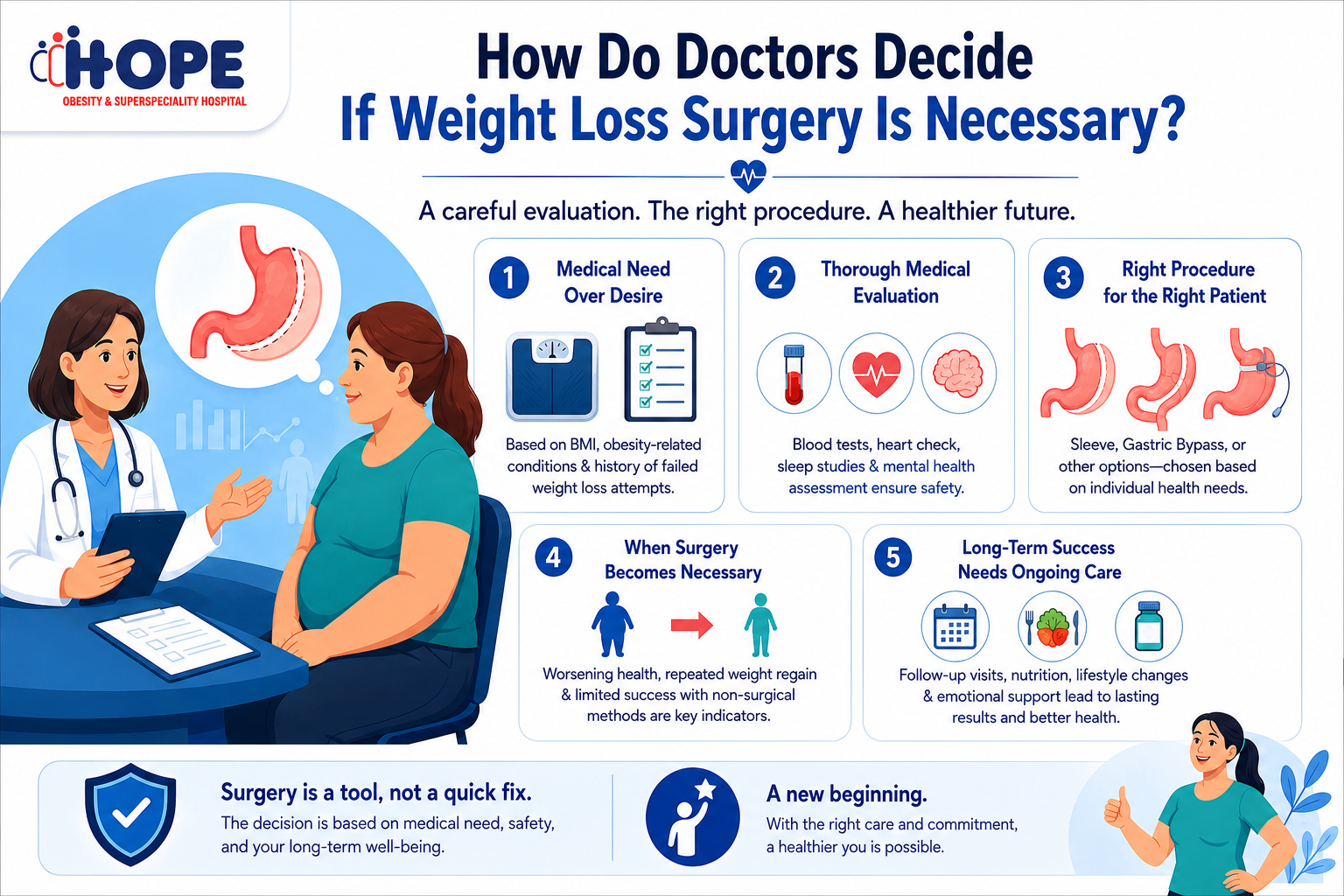
Surgery is not for everyone, and it is not a shortcut. Doctors usually consider it when:
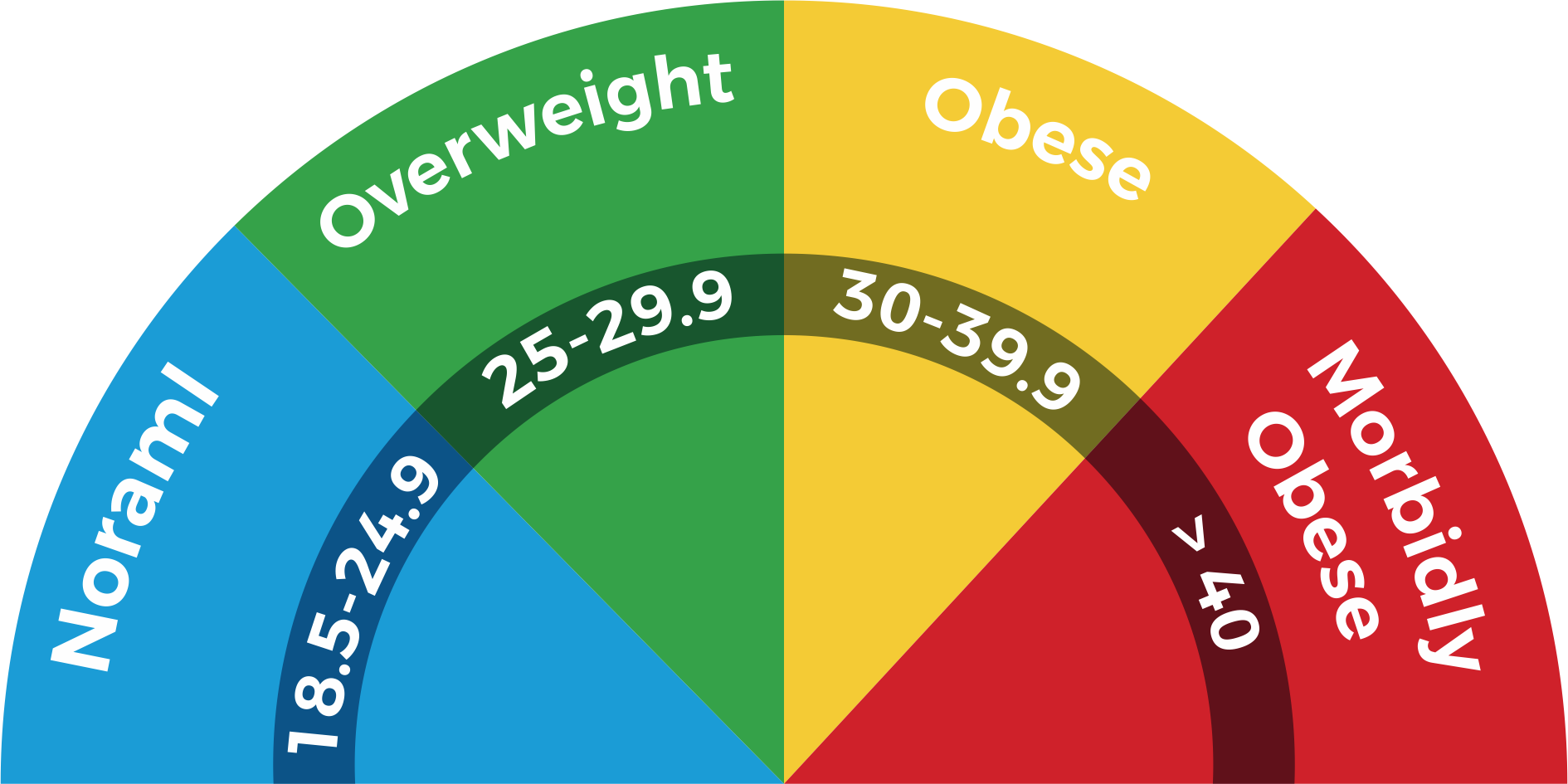
- Your BMI (body mass index, a measure of weight relative to height) is 35 or above with related health problems
- Your BMI is 40 or above, even without other conditions
- Asian guidelines are often lower, so some people with a BMI of 32.5 or more and conditions like diabetes may also qualify
- Diet and exercise haven't given lasting results
- You're ready to commit to lifestyle changes
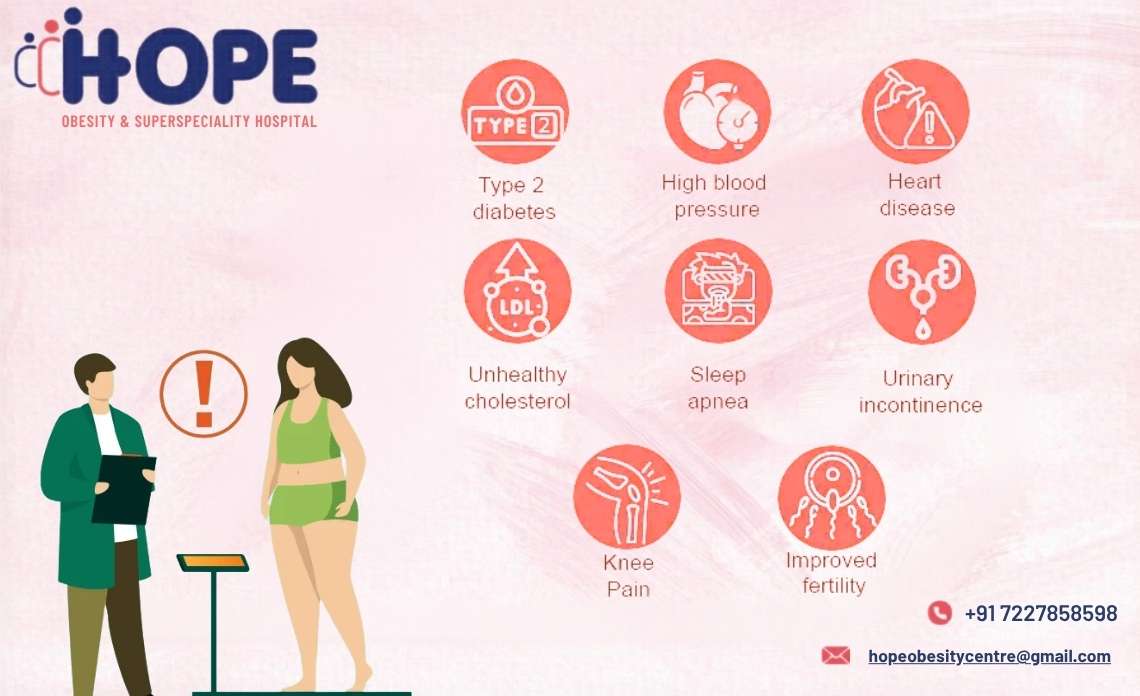
Conditions that may make surgery worth considering include type 2 diabetes, high blood pressure, sleep apnoea, joint pain, and fatty liver. Your doctor will guide you on your specific situation.
What Happens During the Procedure?
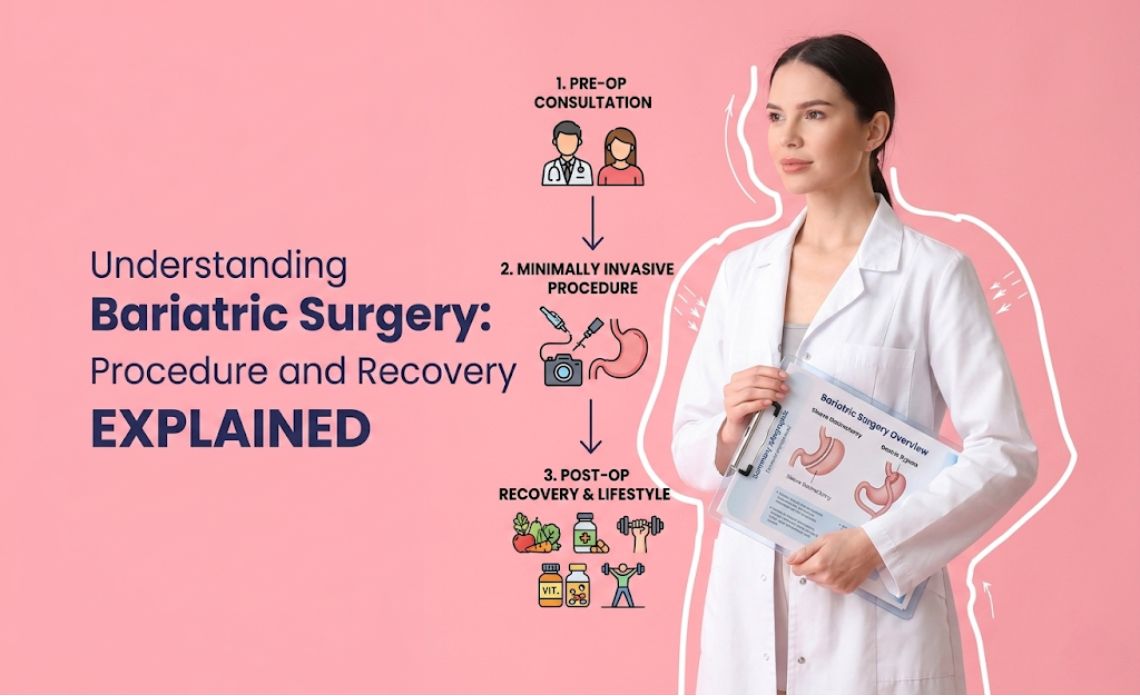
The surgery is done under general anaesthesia, so you sleep through it. It is usually performed with laparoscopy, also known as keyhole surgery.
Here is the basic flow:
- The surgeon makes a few small cuts in your abdomen
- A tiny camera and thin instruments are inserted
- About 75 to 80 percent of the stomach is removed
- The remaining stomach is closed into a slim sleeve
The operation typically takes one to two hours. Because the cuts are small, there is less pain and scarring than with open surgery.
What Are the Benefits of Gastric Sleeve Surgery?
Many people lose a significant portion of their excess weight over 12 to 18 months. But the benefits go beyond the number on the scale:
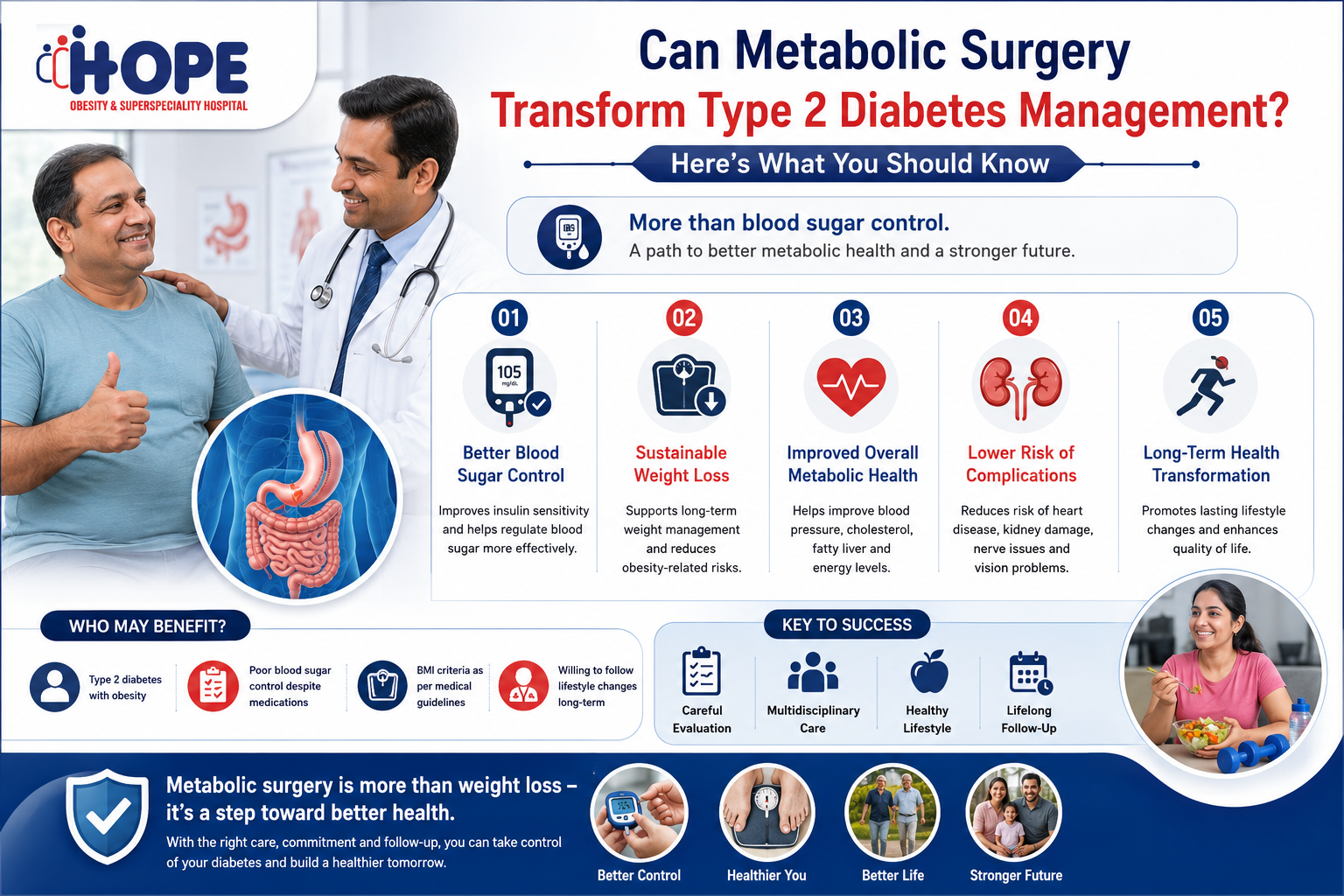
- Better control of blood sugar, and sometimes remission of type 2 diabetes
- Lower blood pressure
- Less joint pain and easier movement
- Improved sleep and energy
- A boost in confidence and mood
Results vary from person to person, and they depend heavily on how well you follow your care plan.
Are There Any Risks?
Every surgery carries some risk, and it is important to hear this honestly. Possible risks include:
- Infection or bleeding
- Leaking from the stomach staple line (uncommon, but serious)
- Acid reflux or heartburn
- Nausea in the early weeks
- Vitamin and mineral deficiencies if supplements are skipped
- Gallstones with rapid weight loss
Serious complications are not common when surgery is done by an experienced team in a well-equipped hospital. A good doctor will explain these risks clearly before you decide.
What Is Recovery Like After a Gastric Sleeve?
Most people stay in hospital for one to three days. You may feel sore, tired, or bloated at first. This is normal.
Here is what recovery often looks like:
- First week: Rest, gentle walking, and liquids only
- Weeks 2 to 4: Pureed or soft foods
- After one month: Slowly returning to solid foods
- Return to work: Often within one to two weeks for desk jobs, longer for physical work
Short, frequent walks help prevent blood clots and speed up healing. Follow your surgeon's instructions closely.
What Should I Eat After Gastric Sleeve Surgery?
Your new stomach needs time to heal, so food is reintroduced in stages. Some habits make life easier:
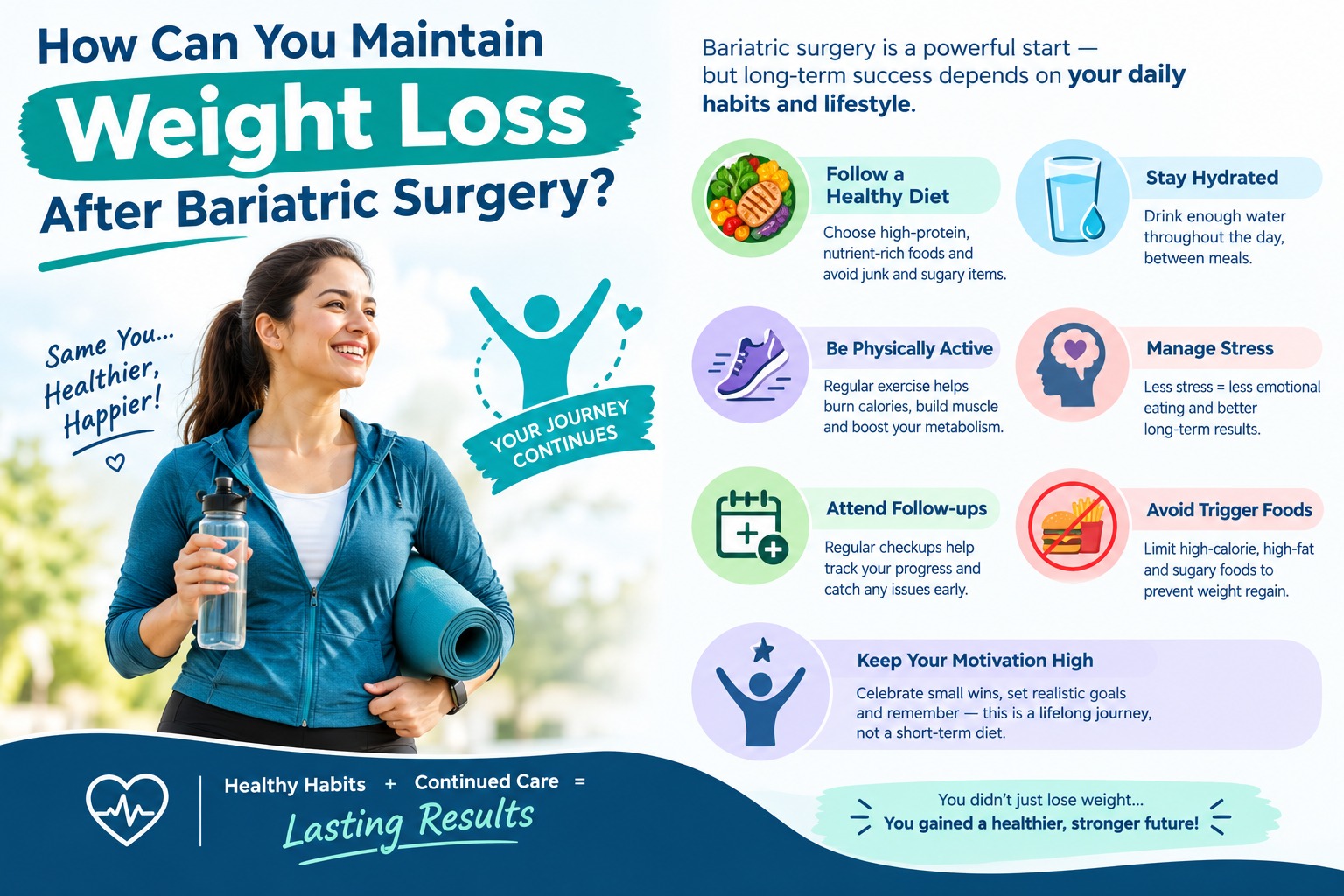
- Eat slowly and chew every bite well
- Focus on protein first, such as dal, curd, paneer, eggs, or fish
- Sip water between meals, not with them
- Avoid sugary drinks, fried foods, and fizzy beverages
- Take your vitamins and supplements as prescribed
Be patient with yourself. Learning to eat differently takes time, and small slip-ups are part of the journey.
How Do I Choose the Right Centre for Gastric Sleeve Surgery in Ahmedabad?
This decision matters as much as the surgery itself. Look for a centre that offers:
- An experienced bariatric (weight loss) surgeon
- A full team, including a dietitian and counsellor
- Proper pre-surgery testing and clear explanations
- Honest advice, including when surgery is not the right choice
- Long-term follow-up, not just the operation
At Hope Obesity Centre, the approach centres on understanding each patient's health, goals, and concerns before recommending any treatment. Questions are welcome, and no decision is rushed.
Final Thoughts
Gastric sleeve surgery is a well-established option for people who struggle with obesity and its health effects. It works by reducing stomach size and hunger, but lasting success comes from combining the surgery with healthy habits and regular follow-up.
If you're considering gastric sleeve surgery in Ahmedabad, you can book a consultation with Hope Obesity Centre. A simple, judgement-free conversation can help you understand your options and decide what is right for you.
Recent Posts
.jpg)
.jpg)
.jpg)




.jpg)

.jpg)