Does Gastric Sleeve Surgery Hurt?
Does Gastric Sleeve Surgery Hurt?
"Will it hurt?" It's usually the first thing people ask once they decide to look into weight loss surgery. Sometimes it's the thing they're too embarrassed to ask out loud.
If you're considering gastric sleeve surgery, this worry is completely normal. The short answer is that you won't feel anything during the operation, and the pain afterwards is usually manageable. Let's walk through what to expect, step by step.
Will I Feel Any Pain During Gastric Sleeve Surgery?
No. The operation is done under general anaesthesia, which means you are in a deep, medicine-induced sleep. You won't see, hear, or feel anything.
An anaesthesia specialist stays with you the whole time, monitoring your heart rate, breathing, and oxygen levels. Most patients say the last thing they remember is counting backwards in the operating room.
Why Is Keyhole Surgery Easier on the Body?
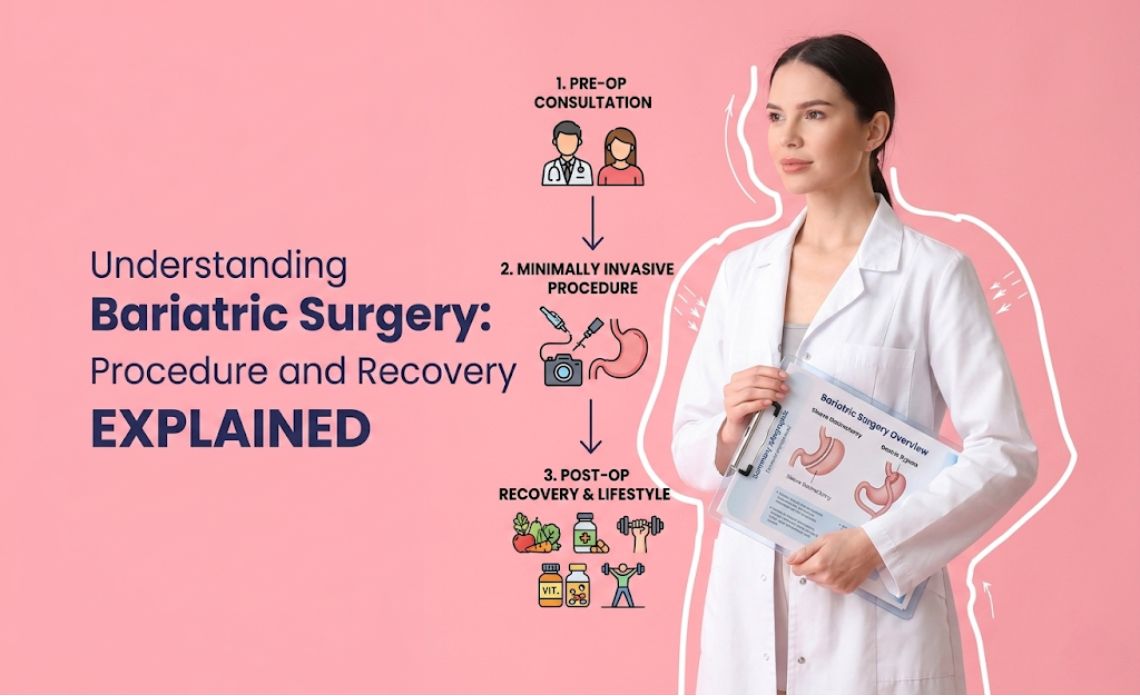
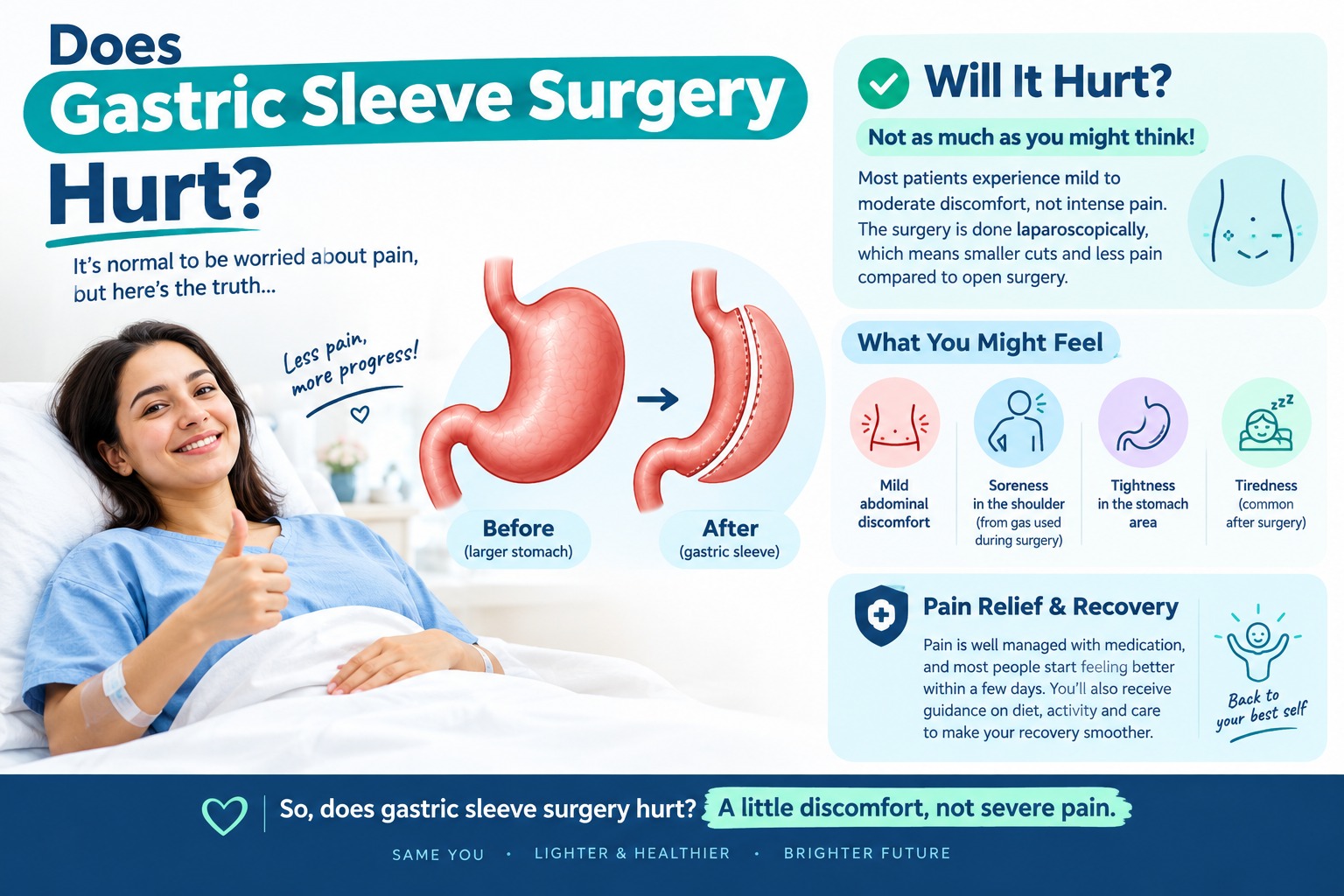
Most gastric sleeve operations are done through laparoscopy, also called keyhole surgery. Instead of one large cut, the surgeon makes a few tiny openings, each about the size of a fingertip.
This matters for your comfort. Smaller cuts mean:
- Less pain after surgery
- Smaller scars
- Lower risk of wound problems
- A quicker return to normal activities
Compared with open surgery, most people find keyhole recovery far gentler.
What Will I Feel When I Wake Up?
Waking up can feel a little strange, and that is okay. You may feel drowsy, thirsty, or slightly confused for a short while.
Common sensations include:
- Soreness in the belly, similar to the ache after very hard ab workouts
- Shoulder pain, caused by the gas used to inflate the abdomen during surgery (it travels upward and irritates nerves near the shoulder)
- Bloating or pressure in the stomach
- Nausea, which usually settles with medicine
- A sore throat, from the breathing tube used during anaesthesia
Most of these are temporary and expected. Your care team will check on you often.
How Long Does the Pain Last After Gastric Sleeve Surgery?
Everyone heals at their own pace, but a general pattern looks like this:
- Days 1 to 3: This is usually the most uncomfortable stage. Think of it as moderate soreness rather than sharp, unbearable pain.
- Week 1: Pain eases each day. You may still feel tired and tender around the cuts.
- Weeks 2 to 4: Most people need little or no pain medicine. Mild pulling or tightness can come and go.
- After one month: Most discomfort is gone, and energy improves.
Many patients say the pain was less than they feared. Some also say the hunger and cravings before surgery were harder than the recovery.
How Do Doctors Keep Pain Under Control?
You don't have to tough it out. Good pain control helps you heal faster, because when you're comfortable, you move, breathe deeply, and walk more.
Your team may use:
- Pain relief given during surgery, such as numbing medicine near the incisions
- Oral or injectable painkillers after surgery
- Anti-nausea medicines
- Medicines to reduce acid and protect the stomach
Always take medicines exactly as prescribed. Please don't start any painkillers on your own, because some can irritate the stomach.
What Can I Do at Home to Feel More Comfortable?
Small habits make a big difference during recovery.
- Walk every day. Short, frequent walks ease gas pain and help prevent blood clots.
- Sip fluids slowly. Dehydration can make you feel worse. Take small sips through the day.
- Support your belly. Hold a small pillow against your abdomen when you cough, sneeze, or stand up.
- Sleep propped up. Extra pillows can reduce pressure and reflux.
- Follow the diet plan. Moving to solid foods too early can cause pain and vomiting.
- Rest without guilt. Your body is doing a lot of quiet healing.
Which Symptoms Should Not Be Ignored?
Normal soreness improves with time. Pain that keeps getting worse does not. Contact your surgeon right away if you notice:
- Severe or increasing belly pain
- Fever or chills
- Fast heartbeat or trouble breathing
- Persistent vomiting or being unable to keep fluids down
- Redness, swelling, or discharge from the cuts
- Pain or swelling in one leg
These signs are uncommon, but acting early keeps small problems from becoming serious.
How Can I Feel Prepared Before Surgery?
Fear of pain often comes from the unknown. A few steps can help you feel calmer:
- Ask your surgeon to explain the pain plan in detail
- Talk to your anaesthesia team about any past reactions to medicines
- Arrange help at home for the first week
- Prepare soft, protein-rich foods and liquids in advance
- Speak with others who have had the surgery, if possible
At Hope Obesity Centre, patients are encouraged to ask every question, big or small. You should leave your consultation feeling informed and respected, not rushed.
Final Thoughts
Gastric sleeve surgery does involve some discomfort, but it is usually moderate, short-lived, and well controlled with modern care. You'll be asleep during the operation, and most people are back on their feet within days.
If you're thinking about gastric sleeve surgery in Ahmedabad, consider booking a consultation with Hope Obesity Centre. An honest conversation can ease your worries and help you decide what's right for you.
Recent Posts

.jpg)
.jpg)
.jpg)




.jpg)

.jpg)